Tag Archives: phd thesis

Manet Team joins the Jellyfish Blooms Symposium in Ireland

Every three to four years, jellyfish researchers from around the world come together for some serious fun: the International Jellyfish Blooms Symposium.

The event is one of a kind and a great opportunity to reconnect with old friends, meet new colleagues, and share the latest discoveries about our favourite marine invertebrates. This year, the 8th International Jellyfish Blooms Symposium took place in Cork, Ireland, where the Manet Team from the University Museum of Bergen presented some of our latest findings and exchanged ideas with a fantastic international community of jellyfish researchers.

Over several days of talks, posters and discussions, the symposium covered many aspects of gelatinous zooplankton research; from their fascinating life cycles and biodiversity to their roles in marine ecosystems and responses to our changing oceans. The programme also showcased how new molecular, technological and modelling approaches are changing the way we study these often elusive animals. Most importantly, the meeting provided a unique space to exchange ideas, build new collaborations and discuss where jellyfish research should go next.
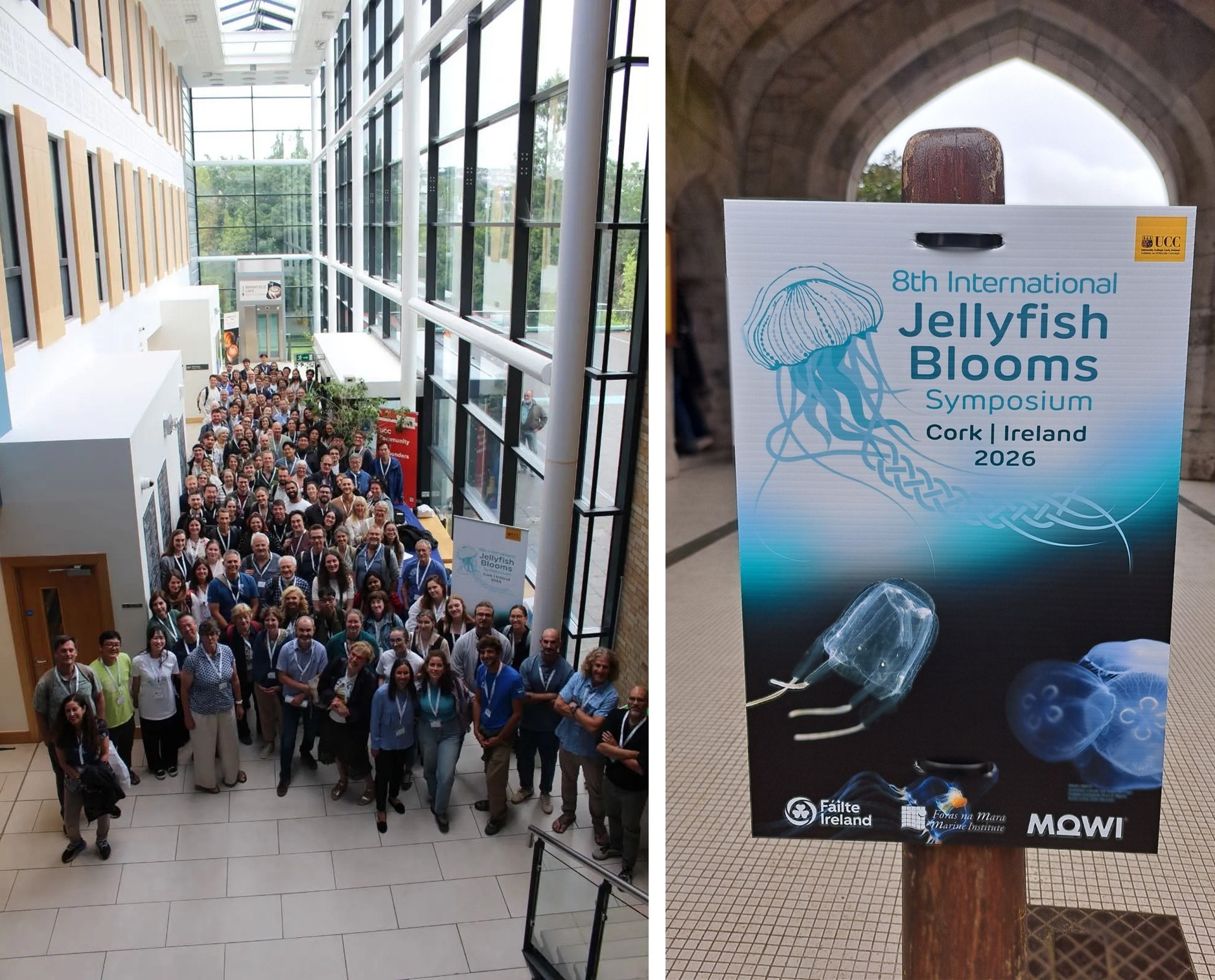
About 100 people in a group photo taken in an atrium, and a picture of the conference poster, which has different jellyfish on it
Group picture and poster of the 8th International Jellyfish Blooms Symposium. Group picture by Enzo C. Morandini

Aino opened the second day of the conference with a fantastic keynote talk on the limitations of sanger sequencing and available reference databases. Challenges we will be working on during our new Artsdatabanken project CHANGEZ. She also shared the work we’ve done over the last decade and the exciting future endeavors we are embarking on.
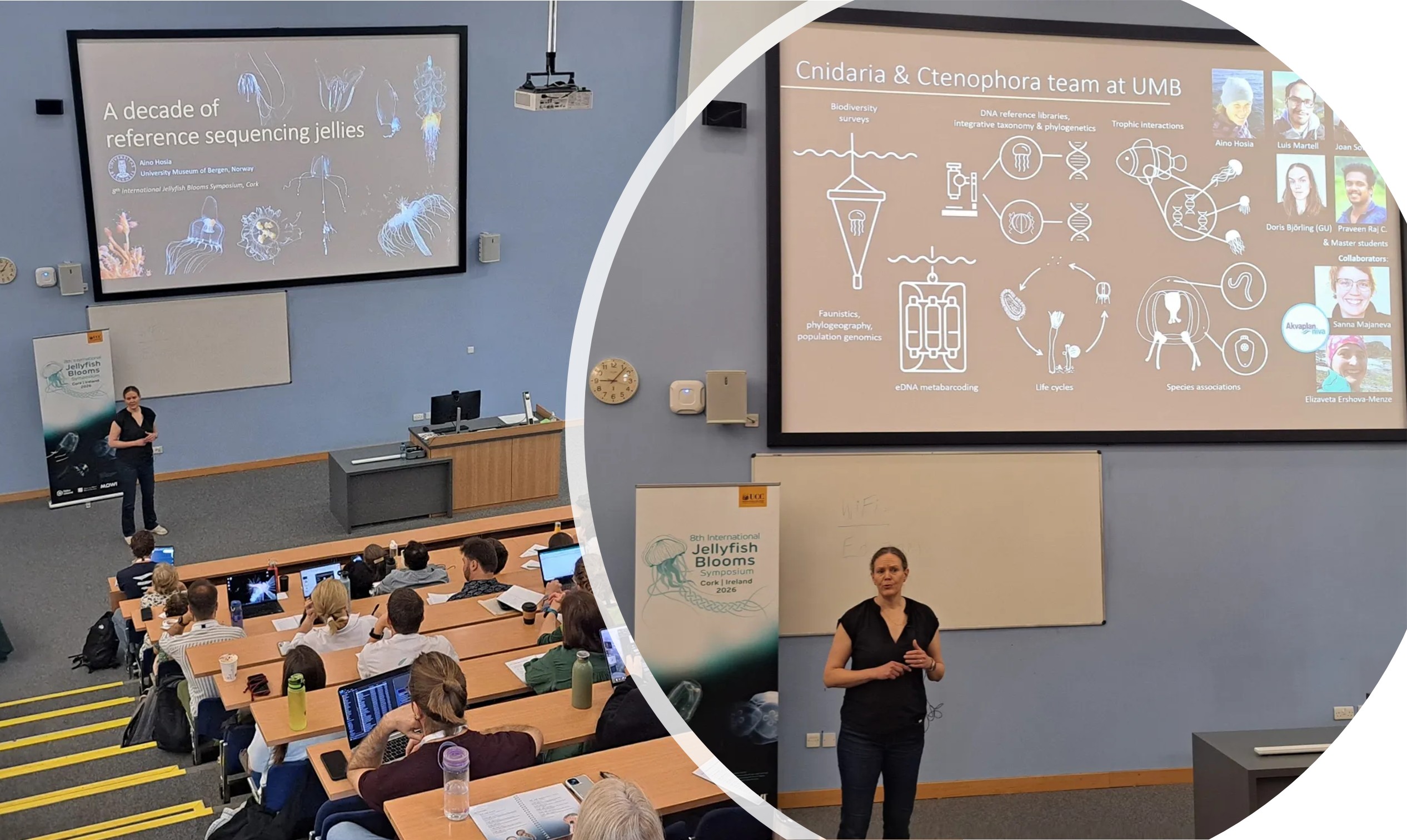
Two images of a female professor presenting a talk in the auditorium
Aino during her plenary talk: A decade of reference sequencing jellyfish.

Joan shared his latest findings on a group of substantially understudied hydromedusae and how crucial it is to integrate both life cycle stages if we aim to understand their phylogenetic relationships and distribution.
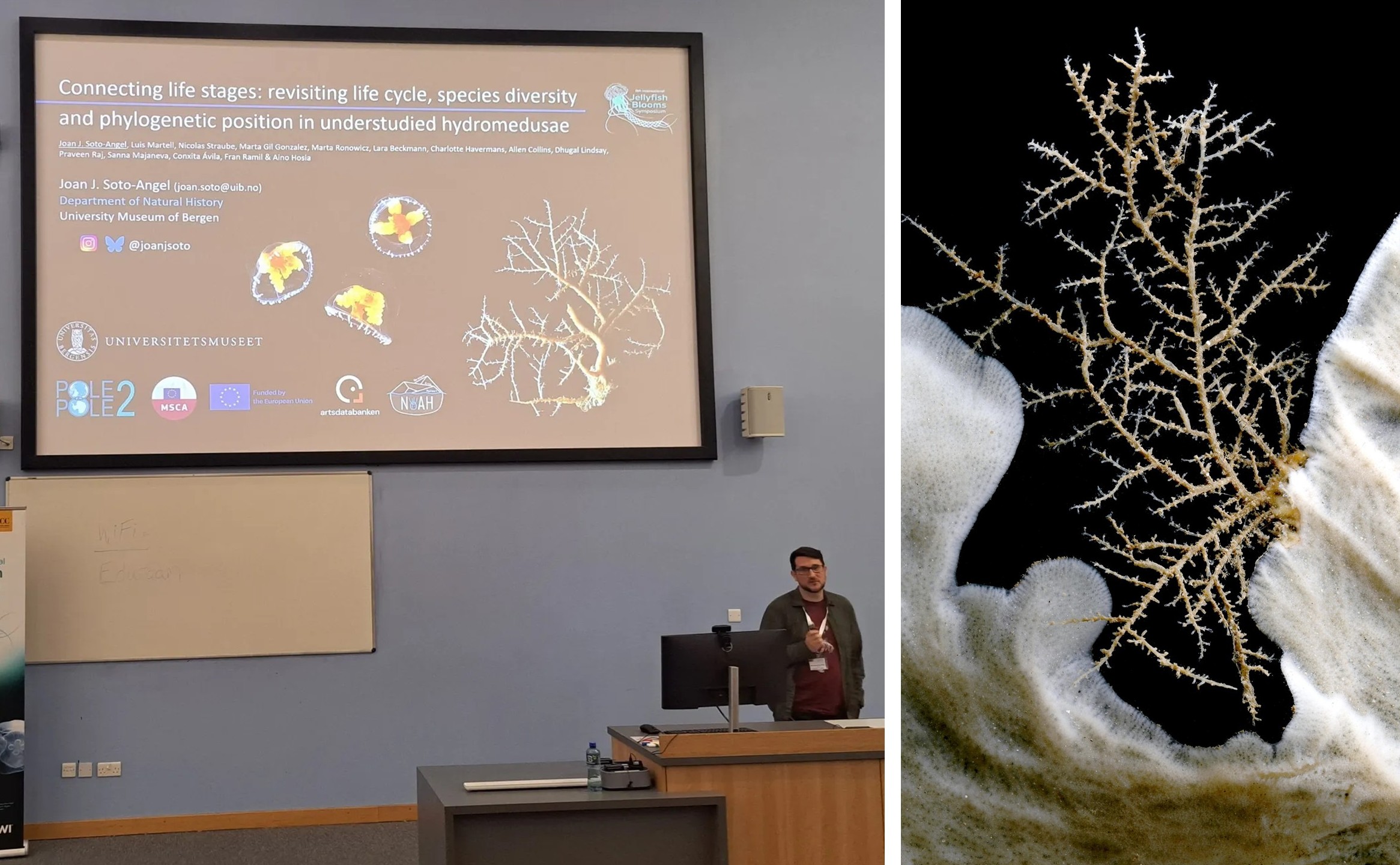
A man giving a lecture (title on slide: “Connecting life stages: revisiting life cycle, species diversity and phylogenetic position in understudied hydromedusae”. ) and a photo of a branching marine invertebrate growing on a sponge
Joan during his talk “Connecting life stages: revisiting life cycle, species diversity and phylogenetic position in understudied hydromedusae”.

Praveen focused on his results on bipolarity in calycophoran syphonophores, as part of the MSCA H2020 project POLE2POLE, funded by the European Commission.
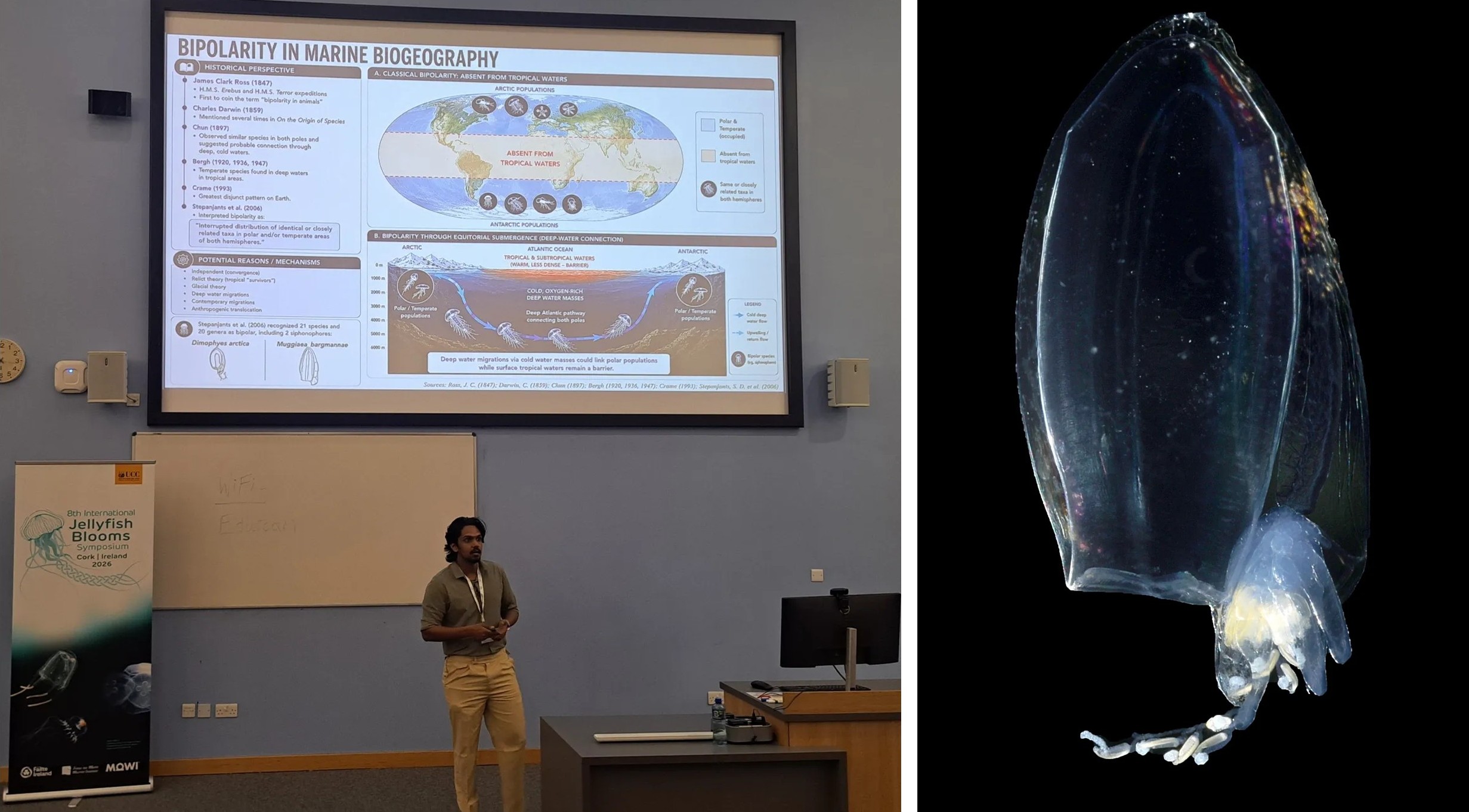
A man giving a presentation in front of an auditorium, and photo of a siphonophore, a jelly-like animal
Praveen presenting exciting results of his PhD thesis working on bipolarity in Dimophyes arctica.

Erlend explained how to properly identify pelagic hydrozoans affecting aquaculture in NE Atlantic. You can check out our ID guide here: https://zenodo.org/records/17303147 (link)
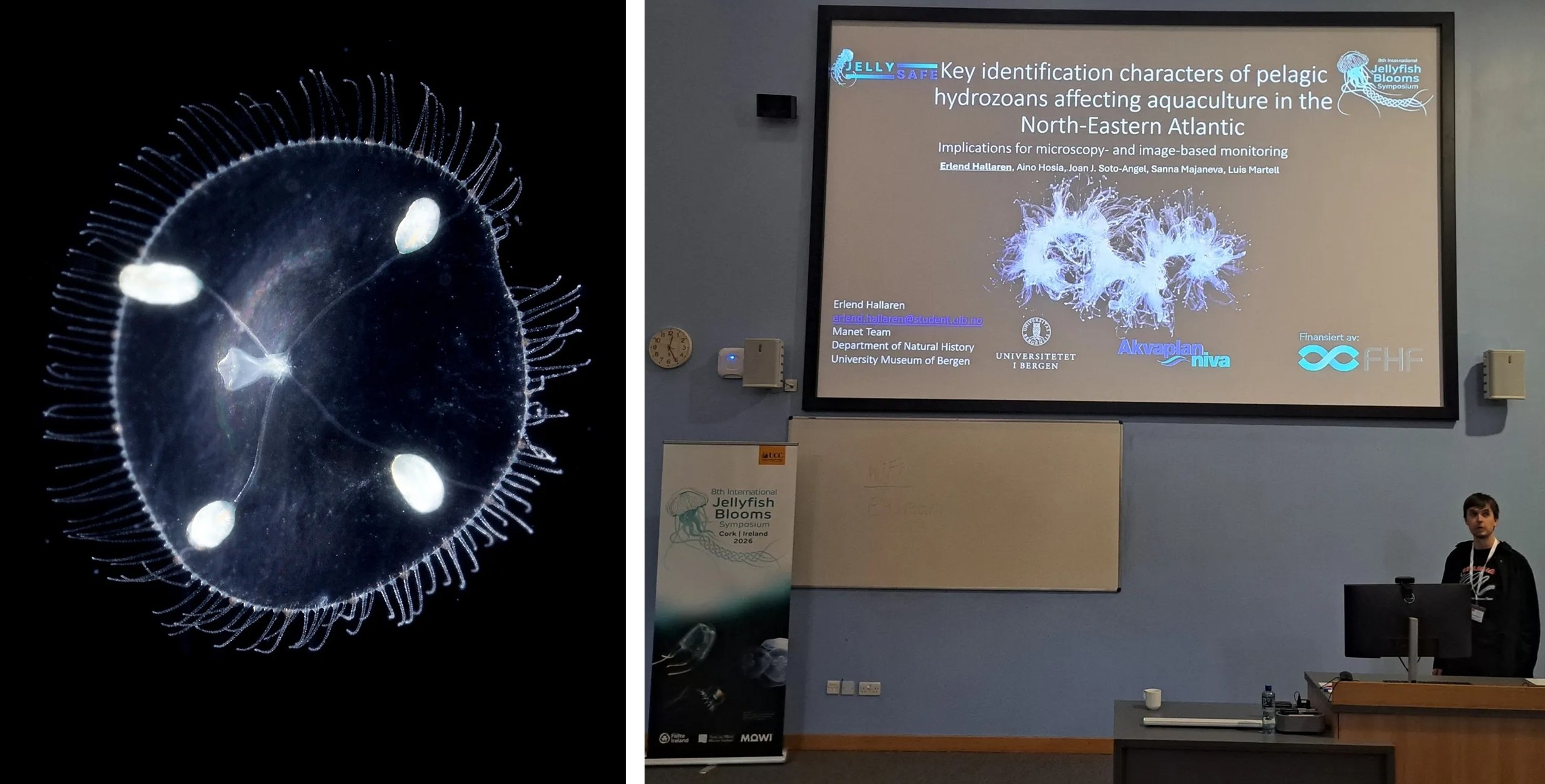
A small jellyfish with four prominent white spots against a black background, and a man giving a presentation titled “Key identification characters of pelagic hydrozoans affecting aquaculture in the North-Eastern Atlantic."
Erlend during his talk titled “Key identification characters of pelagic hydrozoans affecting aquaculture in the North-Eastern Atlantic.

Luis presented the project JellySafe, funded by FHF – Norwegian Seafood Research Fund, and the extent of the Apolemia uvaria (and other jellyfish) outbreaks for the last two decades.
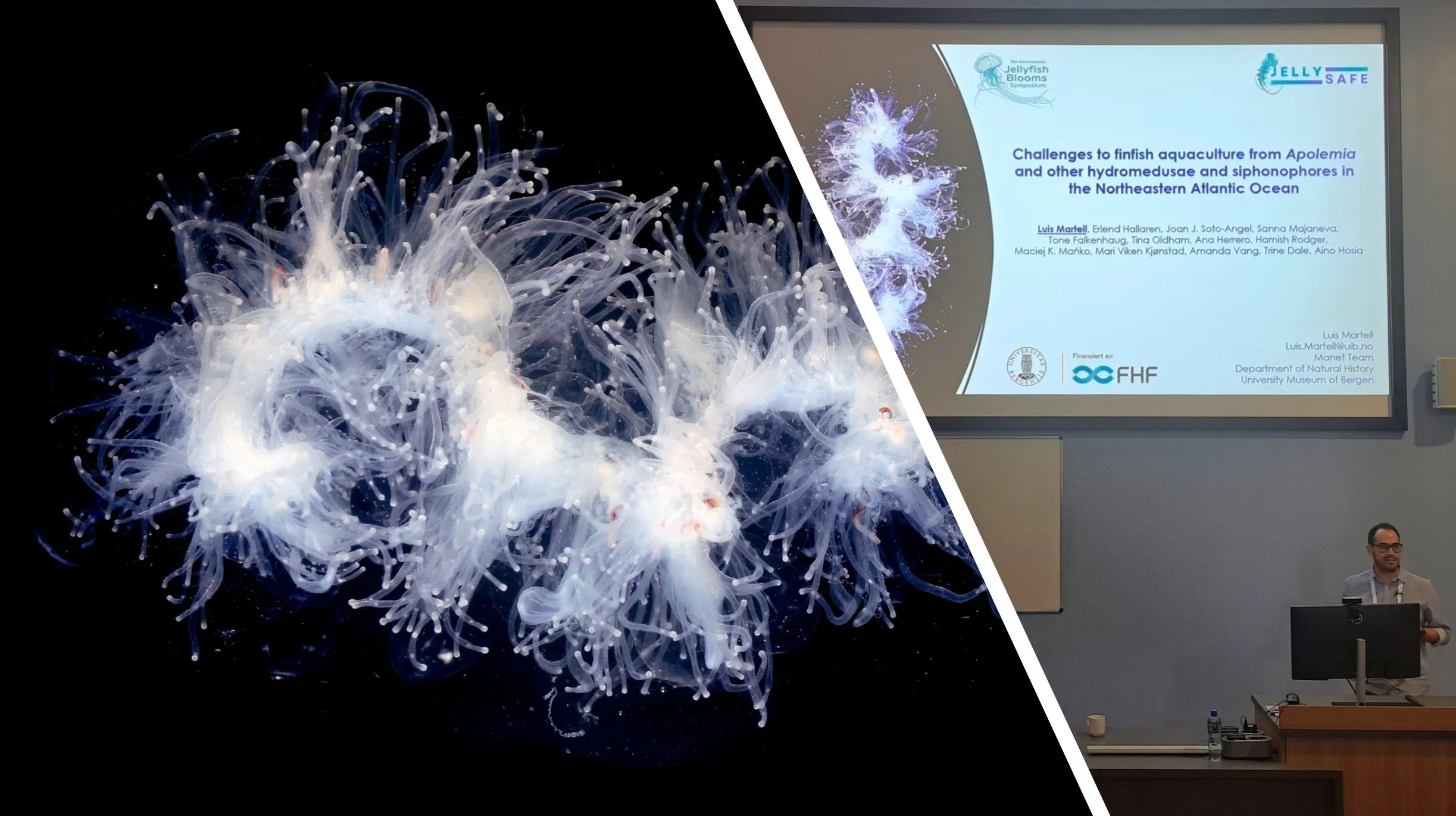
Two images, first is of what looks like a fluffy white mop, but is in fact a jellyfish - the other is of Lusi presenting his research project.
Luis presenting “Challenges to finfish aquaculture from Apolemia and other hydromedusae and siphonophores in the Northeastern Atlantic Ocean”

Doris shared how little we still know about the true diversity of tubulariid hydroids, despite being widely widespread and negatively impact aquaculture.
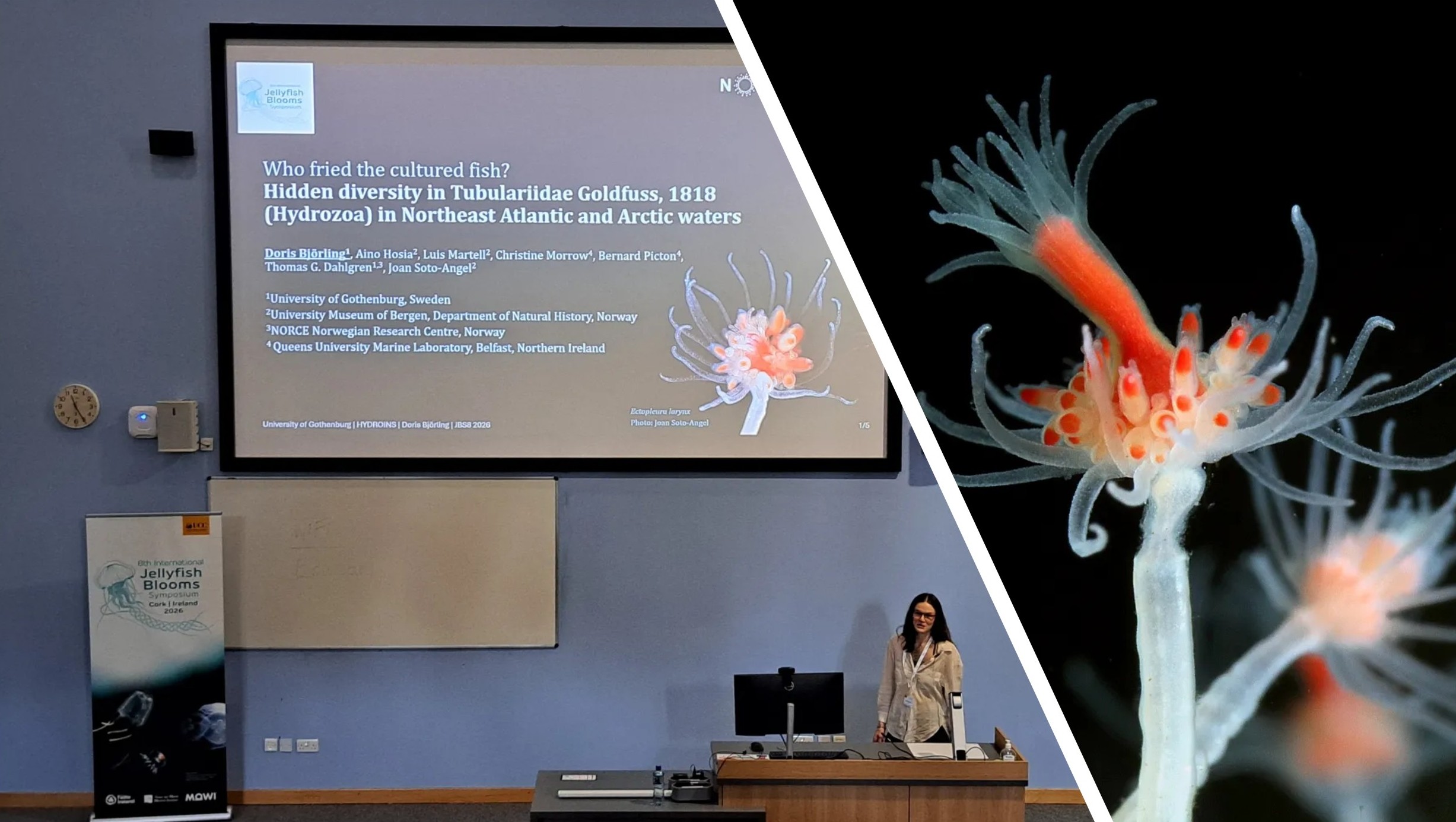
Doris during her talk on “Hidden diversity in Tubulariidae Goldfuss, 1818 (Hydrozoa) in the Northeast Atlantic and Arctic waters, and a photo of said Turbulariids, which are small, flower like animals in white and bright orange.
Doris during her talk on “Hidden diversity in Tubulariidae Goldfuss, 1818 (Hydrozoa) in the Northeast Atlantic and Arctic waters.

Besides the scientific programme of the conference, we also joined a Pint of Science outreach event promoted by the symposium’s organizing committee, where Joan gave a talk exploring the curious and often surprising lives of these fascinating animals.
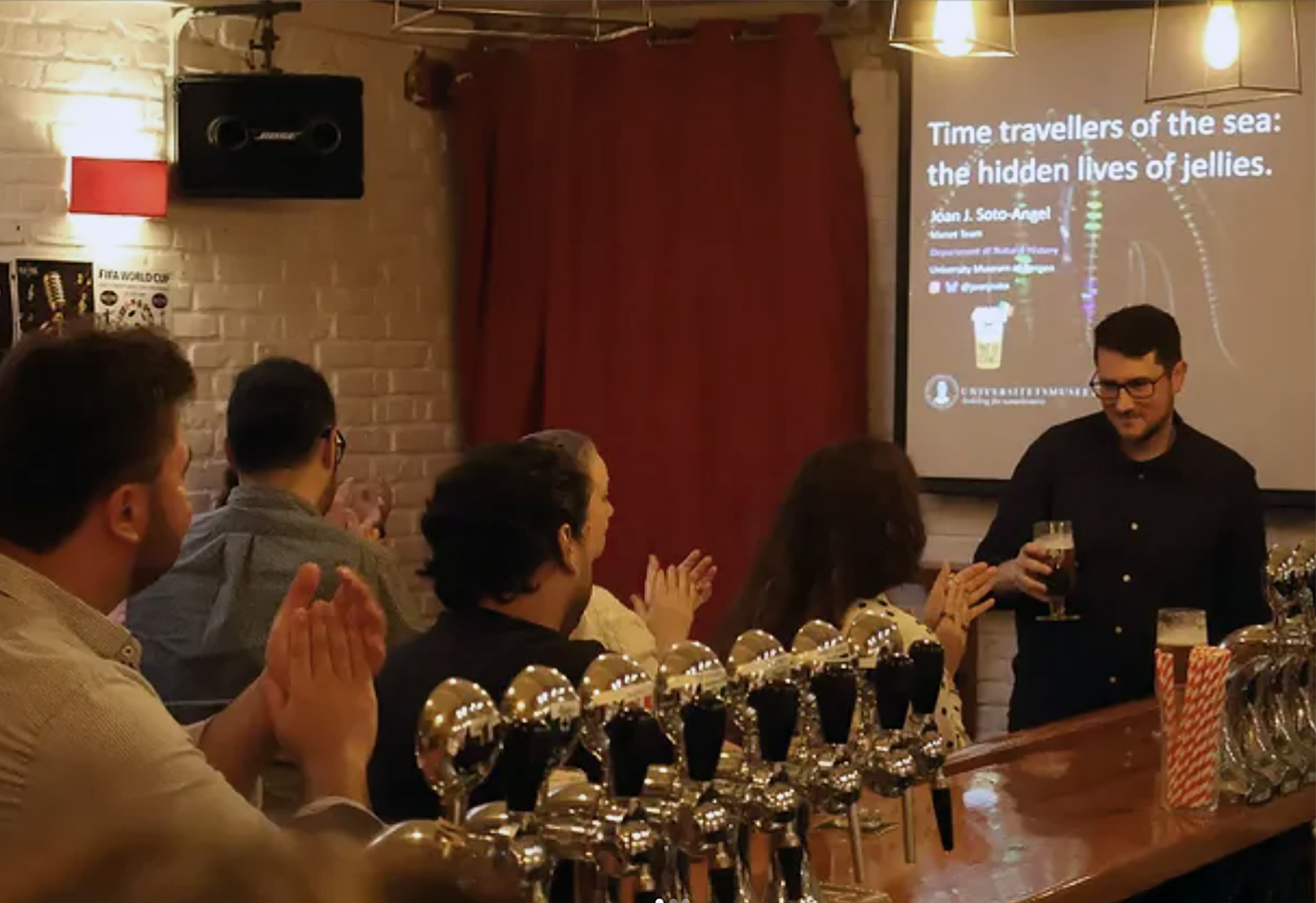
In what os very clearly a bar (lots of beer taps and bar desk), a presentation is being given about jellyfish
Joan presenting a popular talk during Pint of Science: Time travellers of the sea: the hidden lives of jellies.
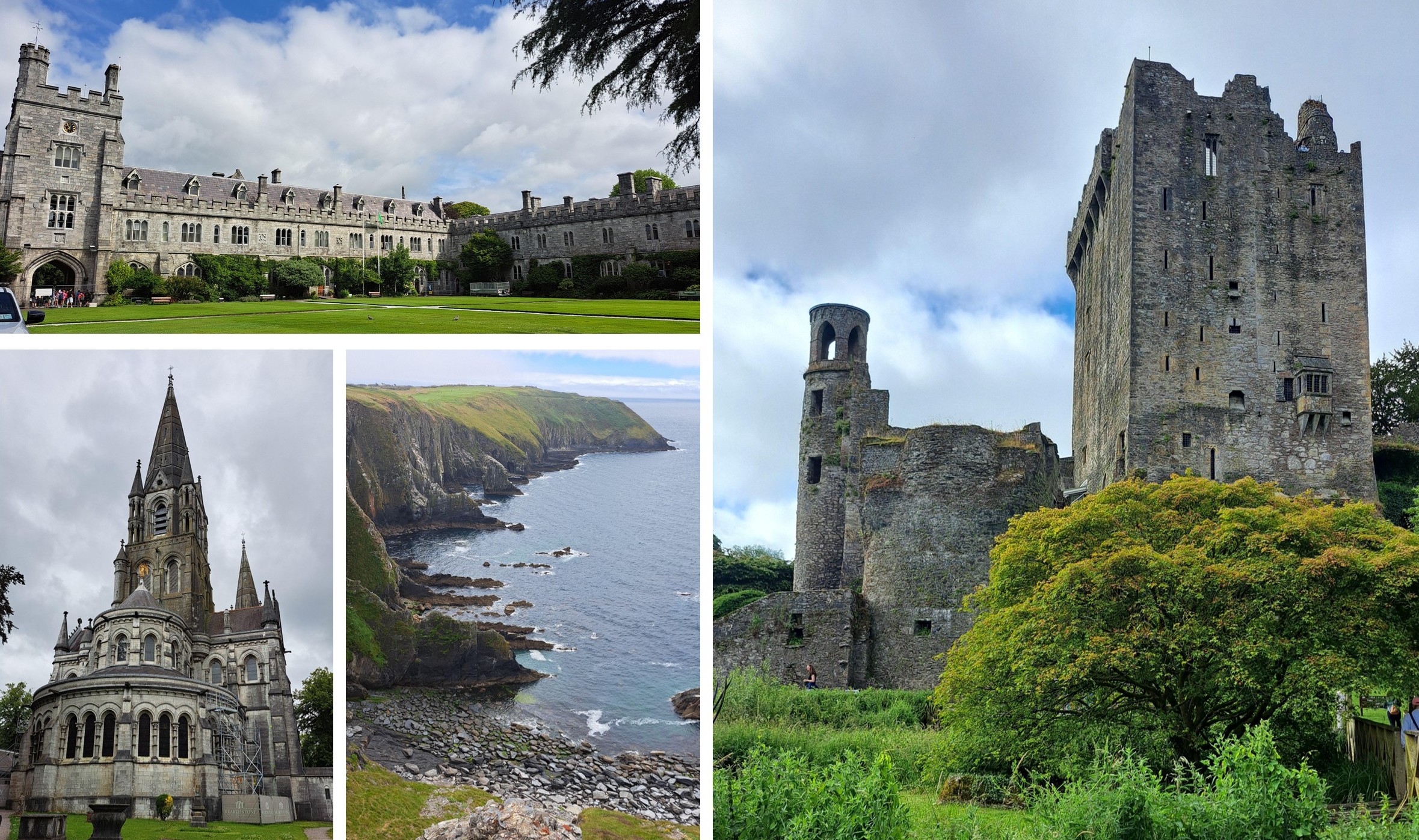
Irish sights, castles and amazing, green nature
Impressive historical buildings and breathtaking landscapes in beautiful Ireland were another highlight of our trip.

In brief: we had a great, productive and enriching experience presenting our latest findings and hearing very inspiring talks. Plus, we got to explore some of the wonders in and around Cork, with some birding whenever we had the chance. We are very much looking forward to the 9th Jellyfish Blooms Symposium in Sao Paulo 2029!
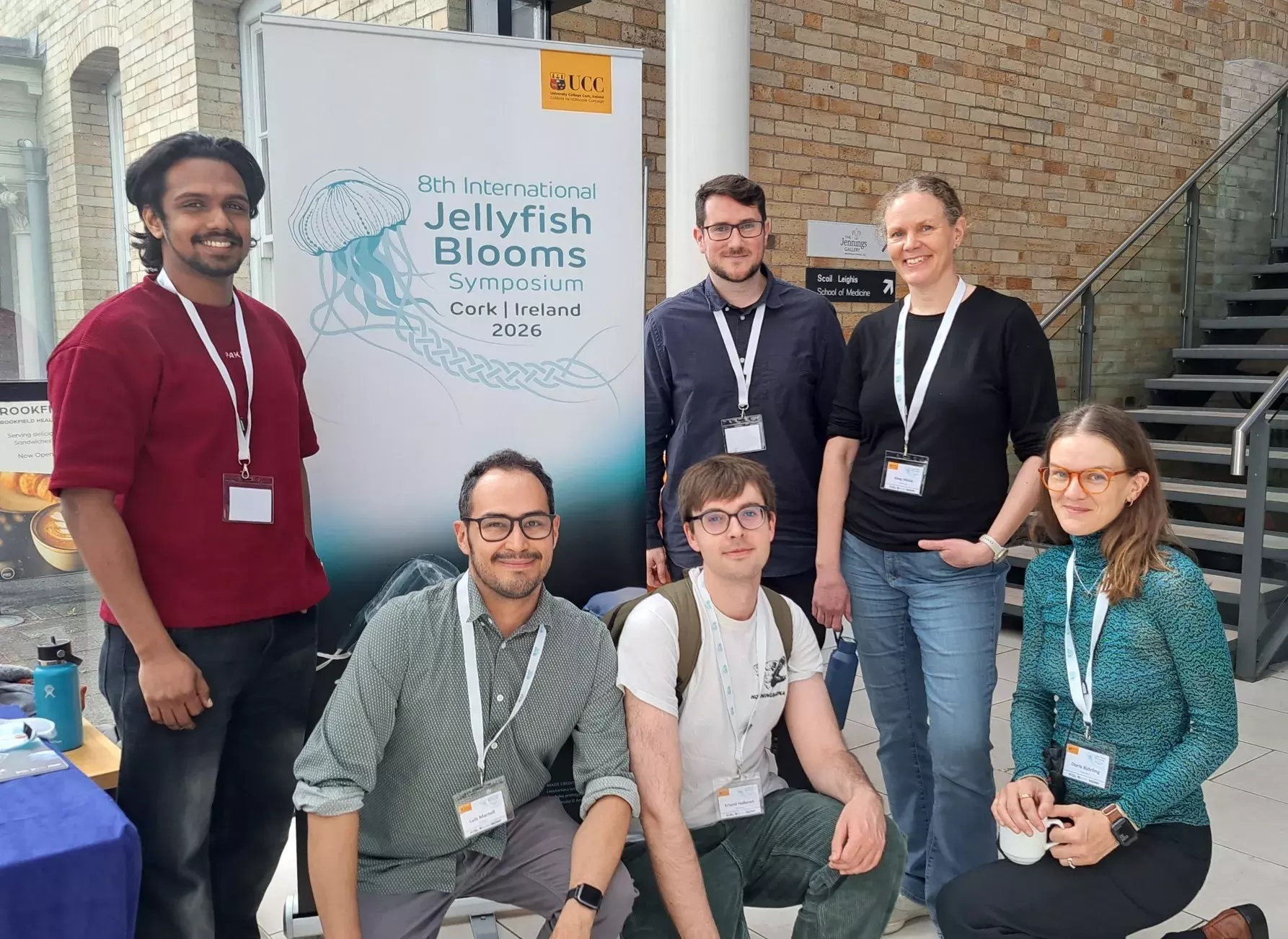
6 jellyfish researchers posing in front of a rollup with the conference logo
Happy faces in our group picture during the 8th International Jellyfish Blooms Symposium. Great job, everyone!

– Manet Team

Fieldtrip to Taiwan: sampling on the periphery of the coral triangle

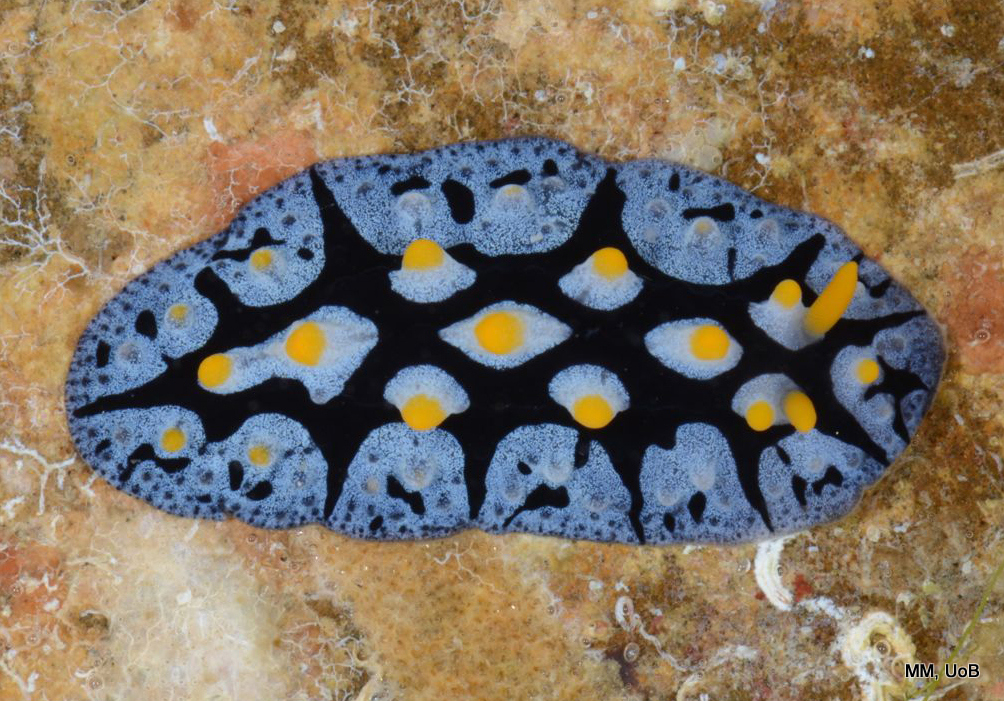
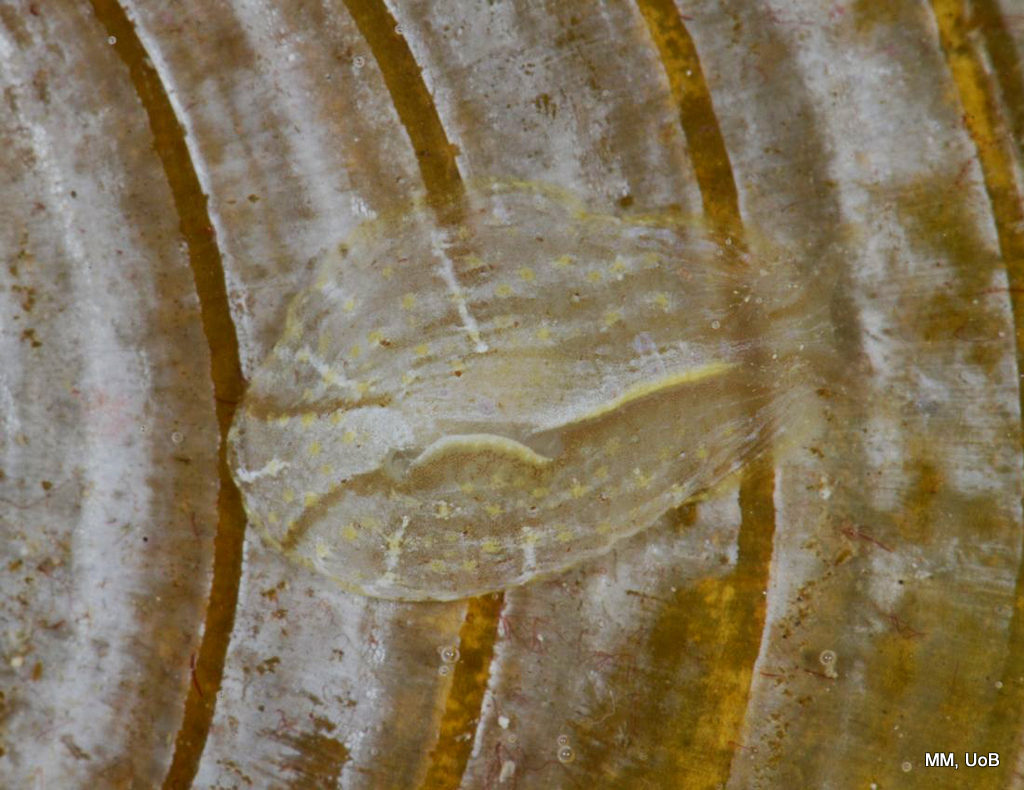
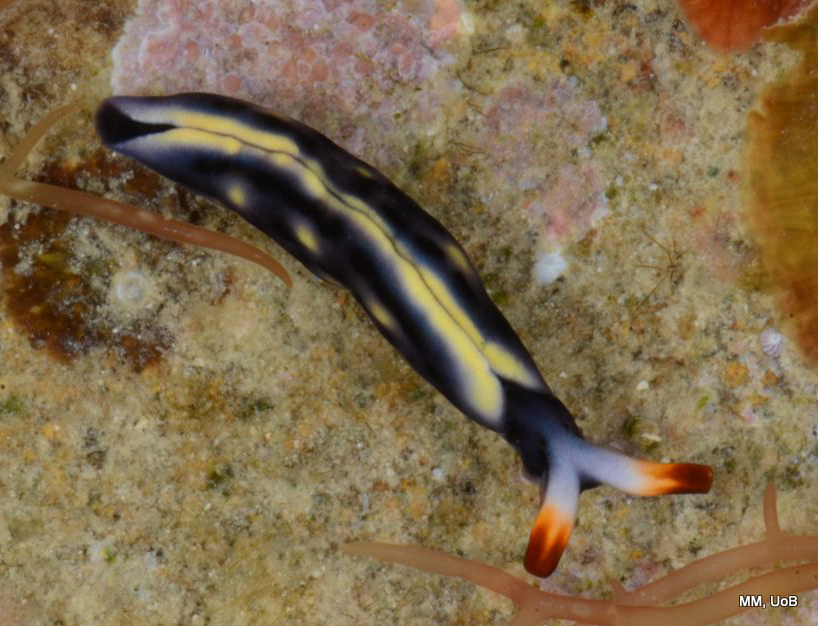
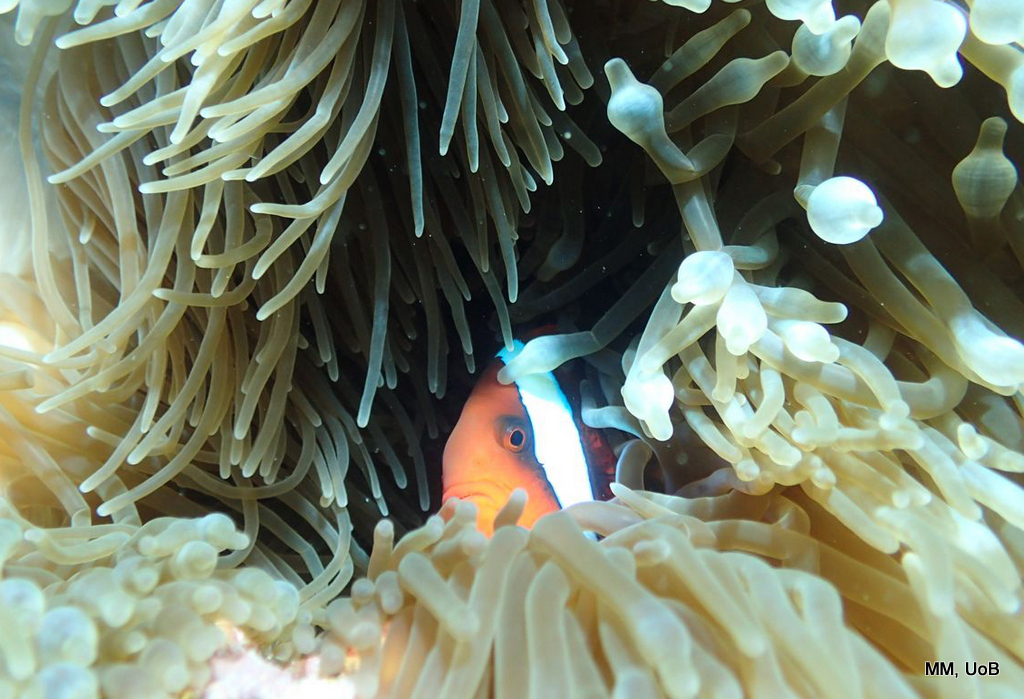
As part of our research programme to study “opisthobranch” molluscs in the Indo-West Pacific and understand the drivers of present diversity and biogeography on this region, we carried out a 3-week fieldtrip to Taiwan during May 2017. Taiwan is located in the China Sea north of the Philippines on the periphery of the “coral triangle”, the richest marine hotspot in the world contained within Indonesia, Papua New Guinea, and the Philippines.

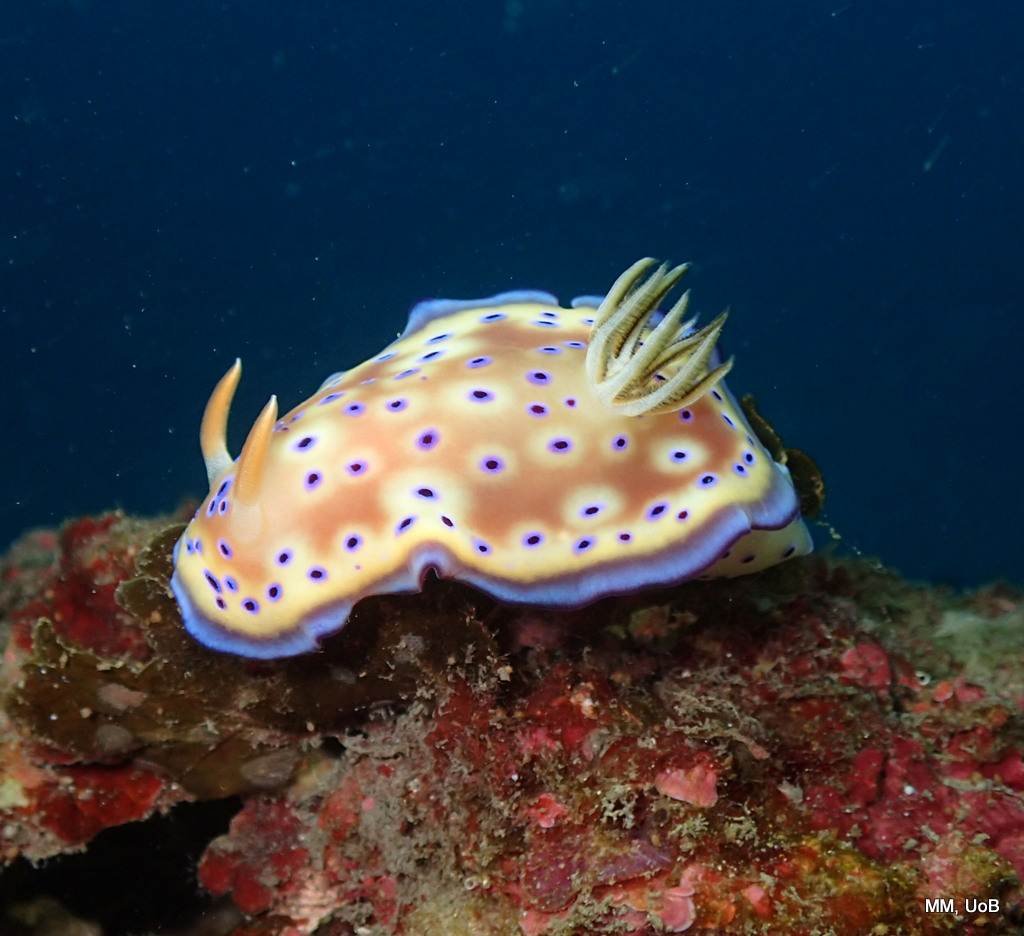
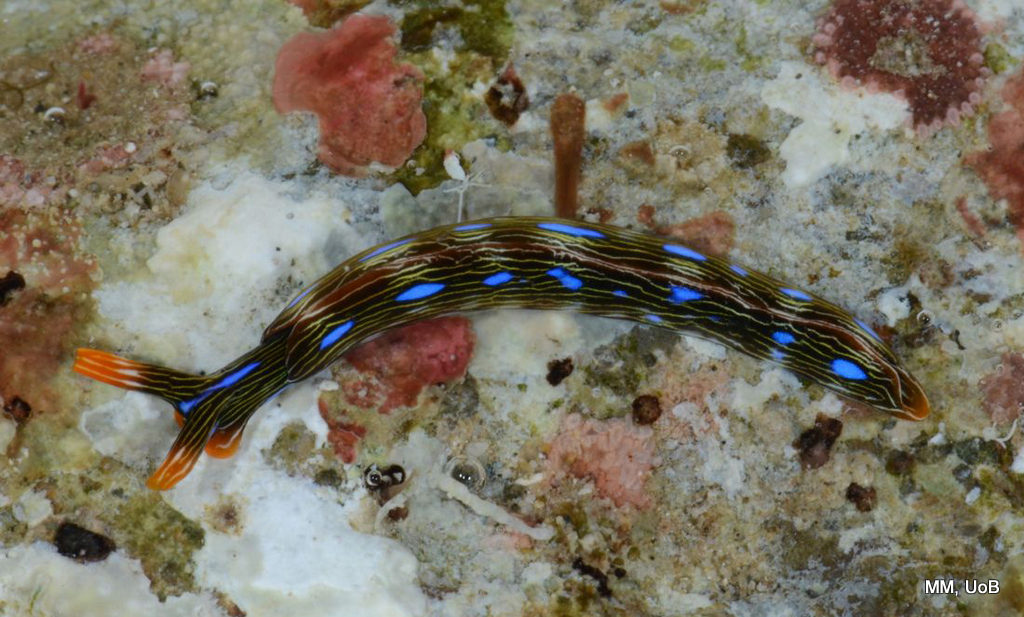
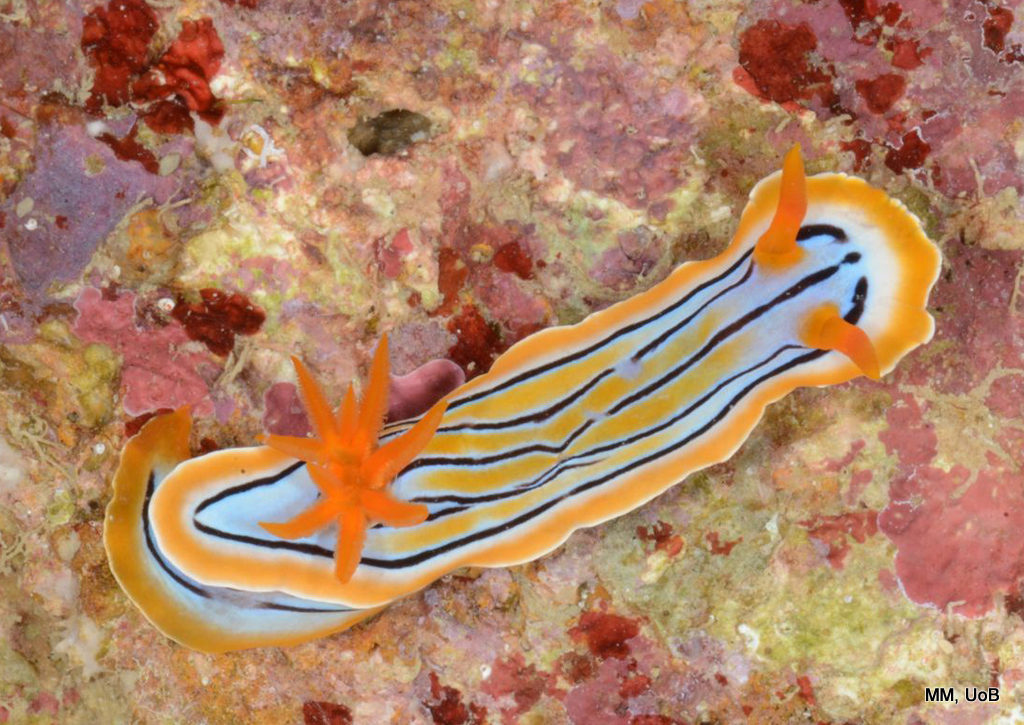
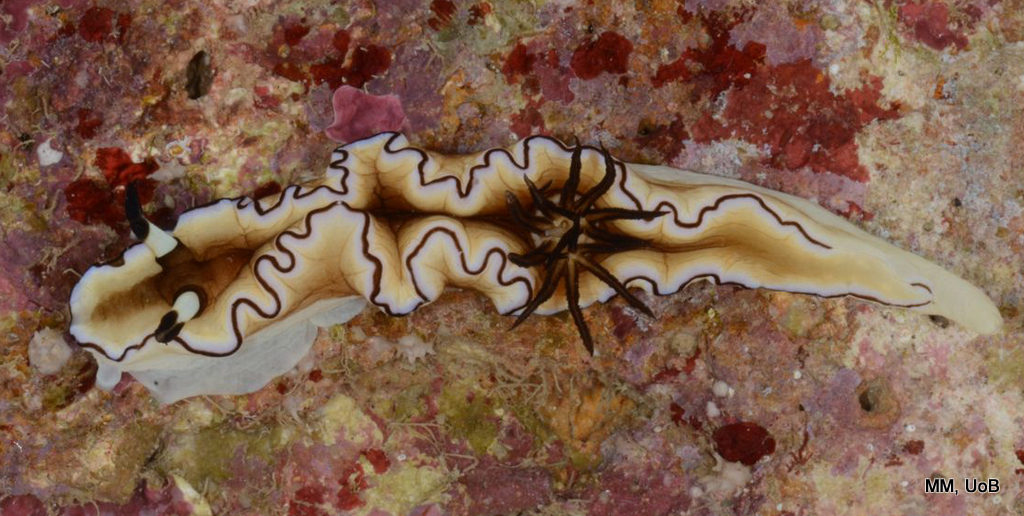
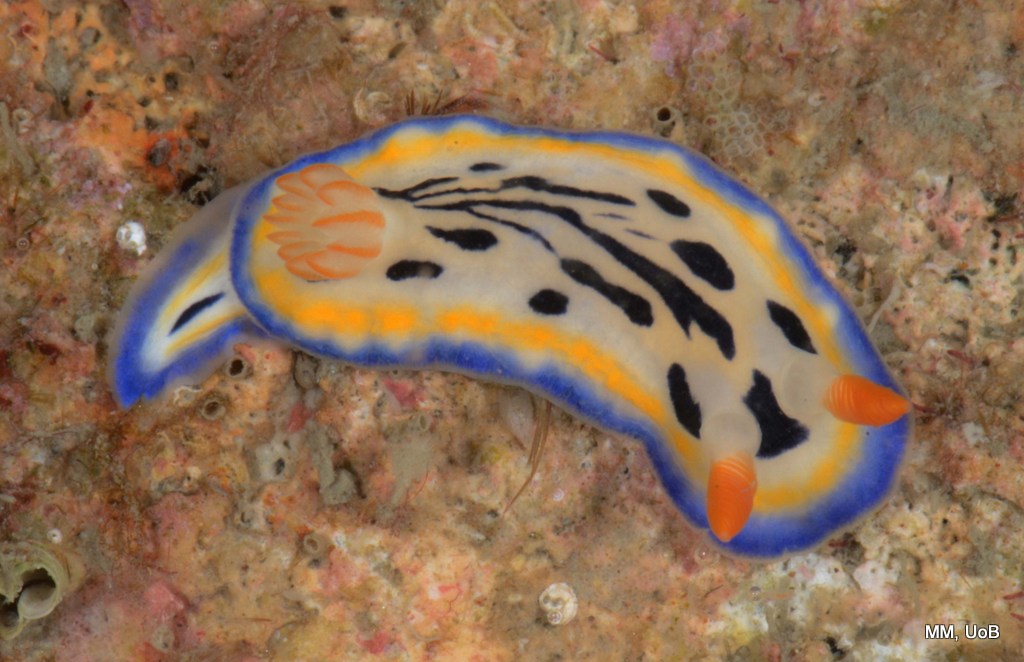
Goniobranchus kuniei. Longdong, NE Taiwan

Goniobranchus kuniei. Longdong, NE Taiwan

Although situated outside this hotspot, Taiwan is influenced by the warm water Kuroshio Current flowing from the Philippines along the Luzon Strait and striking the southern part of Taiwan where it splits in two branches which drift northwards along both the eastern and western coastlines of the country. This confers to Taiwan tropical characteristics on its southern regions with occurrence of vast and diverse coral reef systems, while the northern coasts are of sub-tropical affinity with waters up to five degrees cooler. This combination of different oceanographic and climatic features, result on the occurrence of an extremely diverse marine fauna with different ecological requirements.

To cover different oceanographic regimes in the best possible way within our limited timeframe, we visited three regions for about one week each.

We first sampled along the southern tip of Taiwan at the Kenting National Park together with Professor Chung-Chi Hwang from the National University of Kaohsiung.

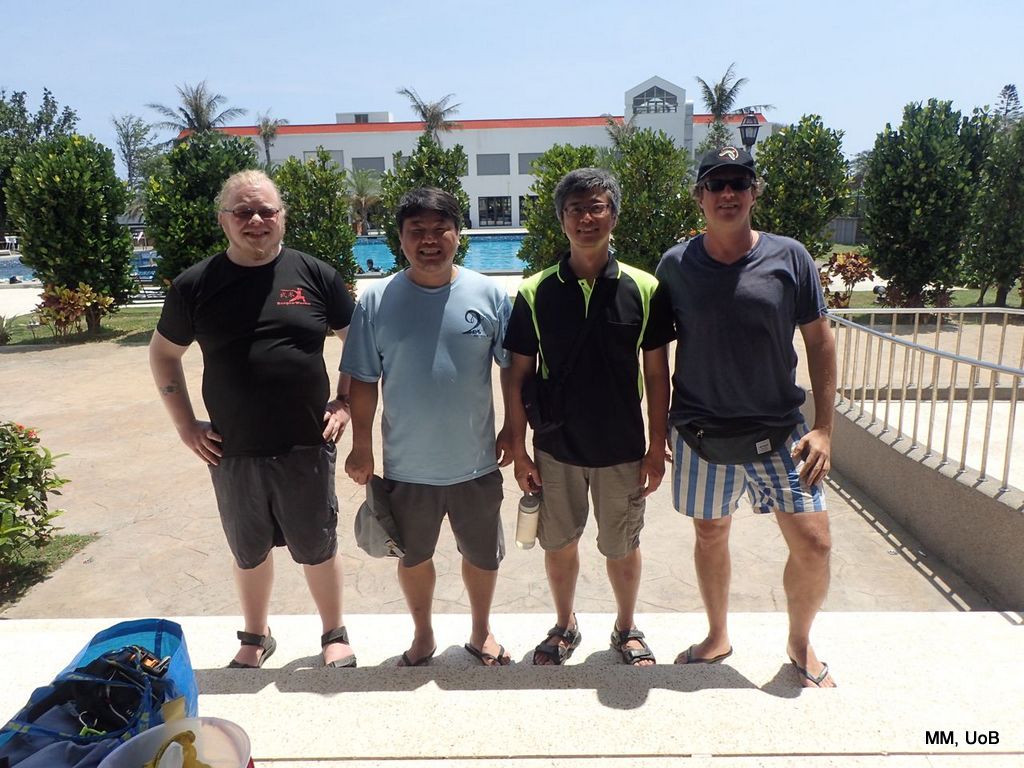
The sampling team-at-Kenting-left-to-right-Trond-Oskars-Wei-Ban-Jie-Chung-Chi-Hwang-Manuel-Malaquias

The sampling team at Kenting. left to right: Trond Oskars, Wei Ban Jie, Chung Chi Hwang, Manuel Malaquias

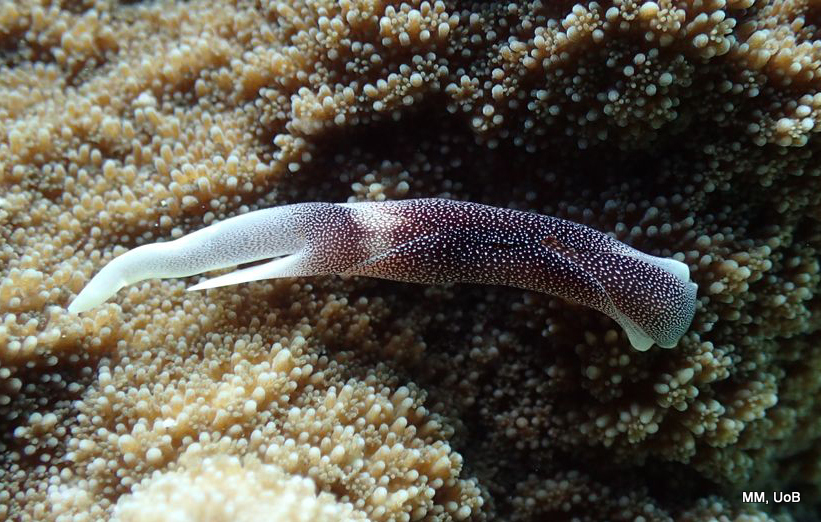
Here are some of the animals we encountered at Kenting:

Who are you?

Who are you?

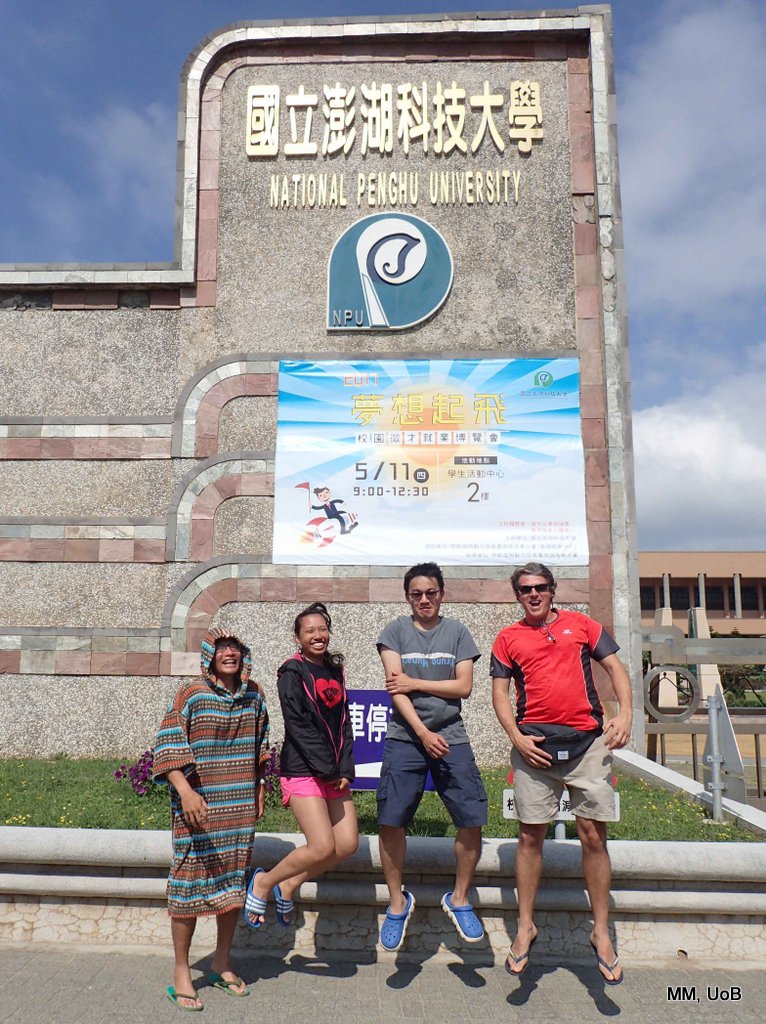
The second week was dedicated to the off shore island of Penghu in the Strait of Taiwan where we have worked together with Professor Yen-Wei Chang and his students from the National Penghu University of Science and Technology.

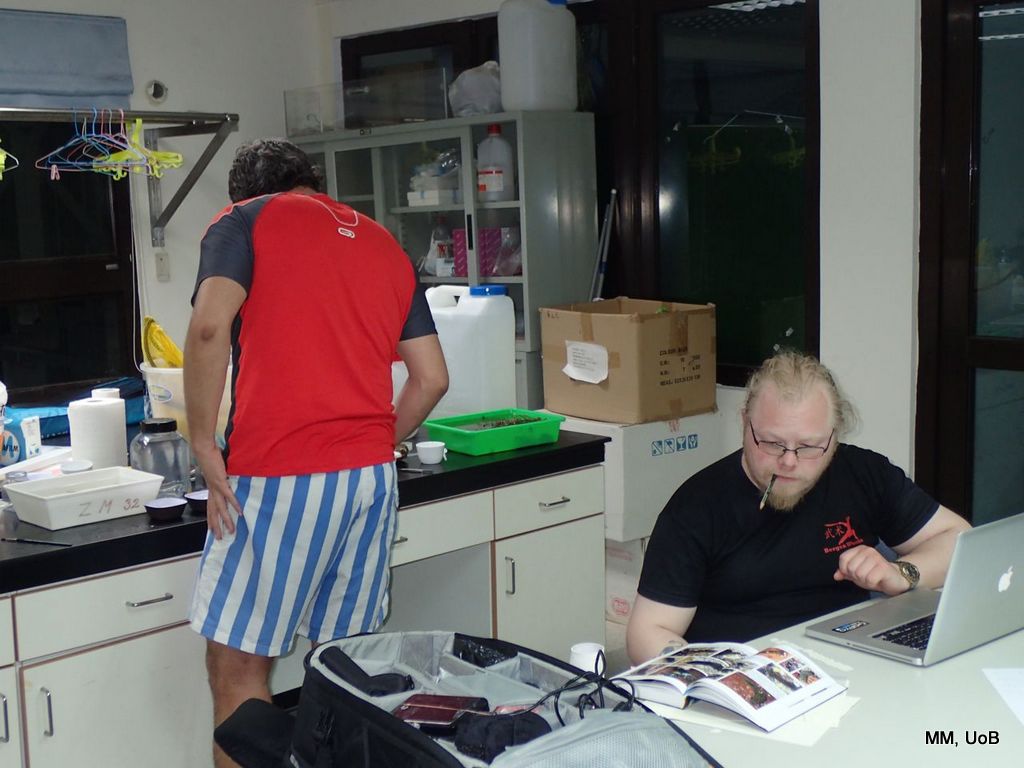
A happy party of sea slug hunters in Penghu, Taiwan

A happy party of sea slug hunters in Penghu, Taiwan

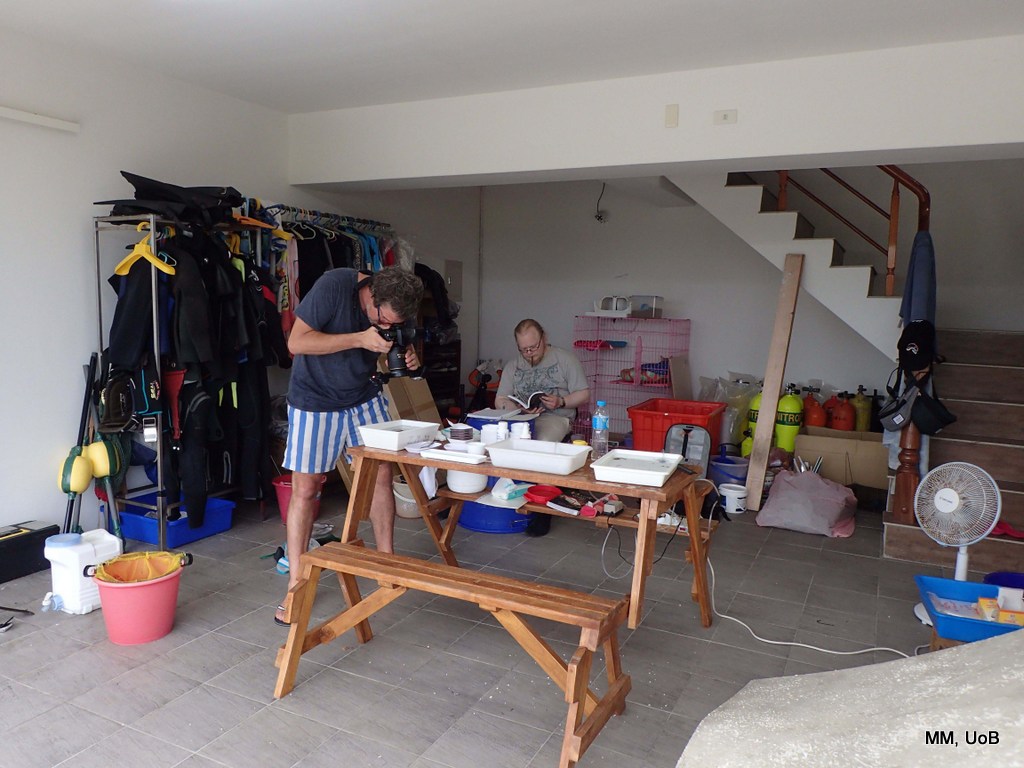
The garage of our hostel in Penghu, transformed into a wet lab for a week

The garage of our hostel in Penghu, transformed into a wet lab for a week

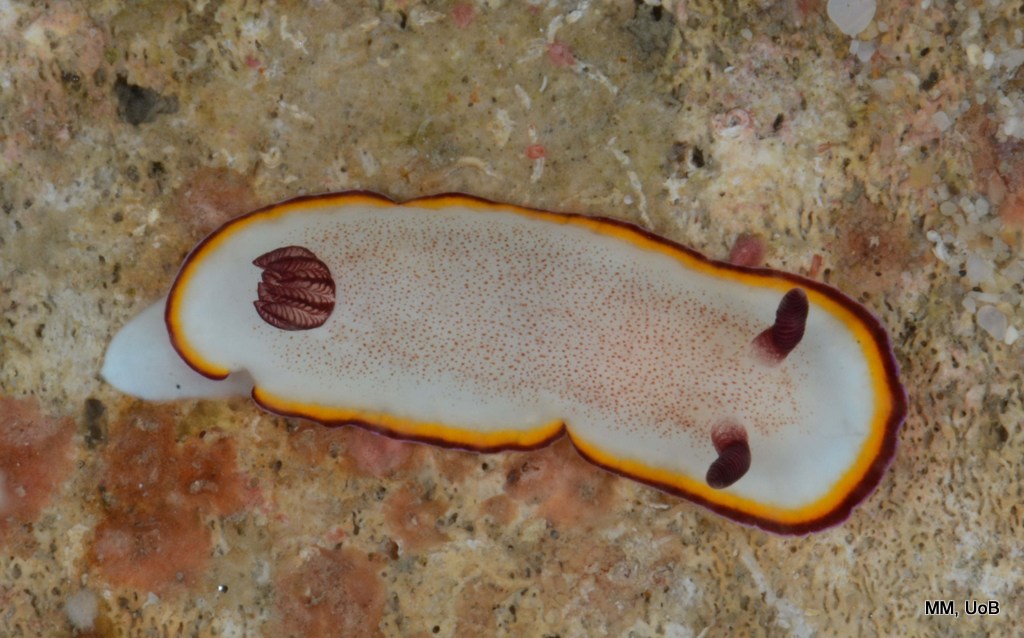
Goniobranchus cf. sinensis

Goniobranchus cf. sinensis

Hypselodoris maritima

Hypselodoris maritima

A beautiful flatworm

A beautiful flatworm

Finally, we sampled on the NE coast along the Longdong area in collaboration with Dr Vincent Chen and Dr Wei-Ban Jie, the first an authority on Taiwanese coastal ecology and the latter the author of the book “Taiwan Nudibranchs”.

A glimpse of the beautiful waterscapes at Longdong, Taiwan

A glimpse of the beautiful waterscapes at Longdong, Taiwan

Phyllidia ocellata Longdong, NE Taiwan

Phyllidia ocellata Longdong, NE Taiwan

Thuridilla sp. Longdong, NE Taiwan

Thuridilla sp. Longdong, NE Taiwan

Halgerda carlsoni Longdong, NE Taiwan

Halgerda carlsoni Longdong, NE Taiwan

Shallow habitats between the tidal zone down to 30 m deep were surveyed for “opisthobranchs”, and at the end we estimate to have collected a staggering 140 species.

The samples are now under curation and will soon be integrated in the systematic collections of the Natural History Museum of Bergen, becoming available for scientific study.

-Manuel Malaquias, Natural History Museum of Bergen, UiB