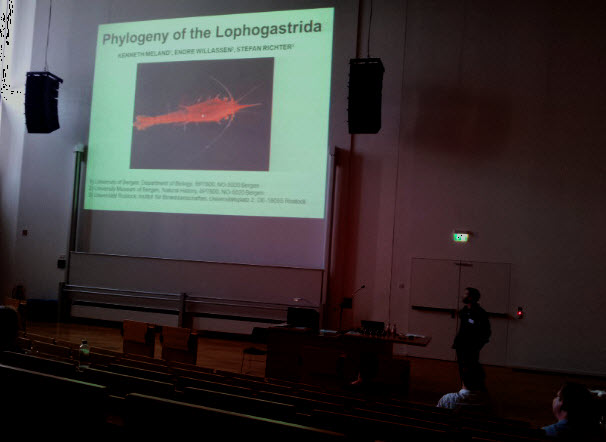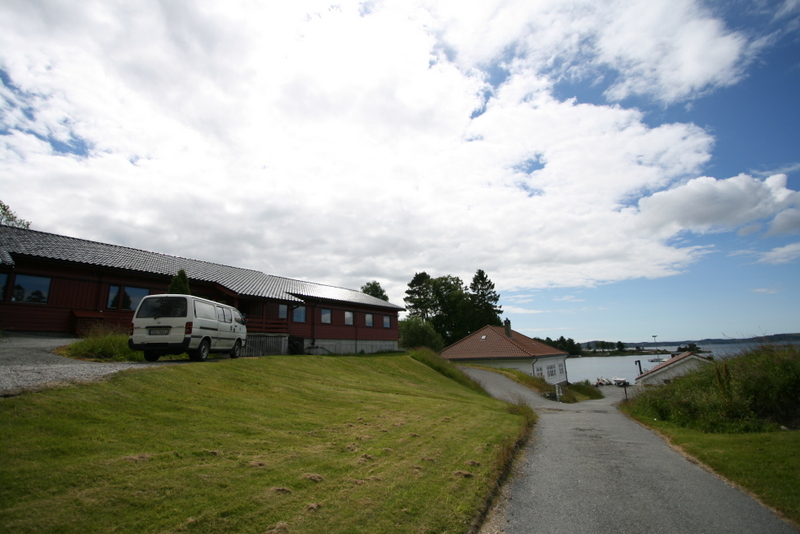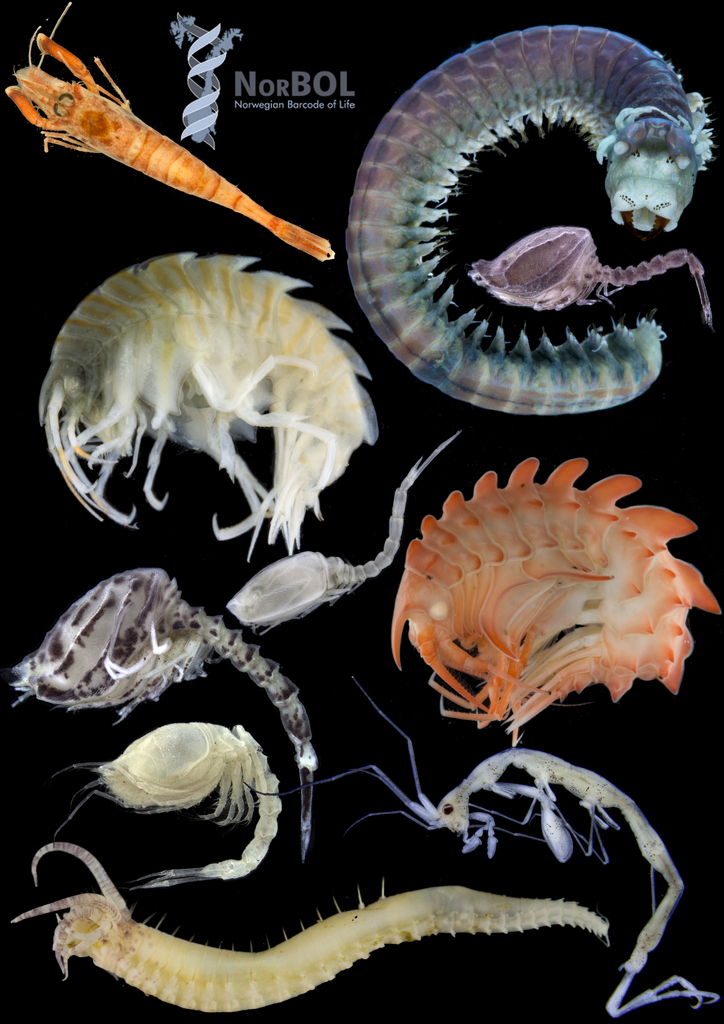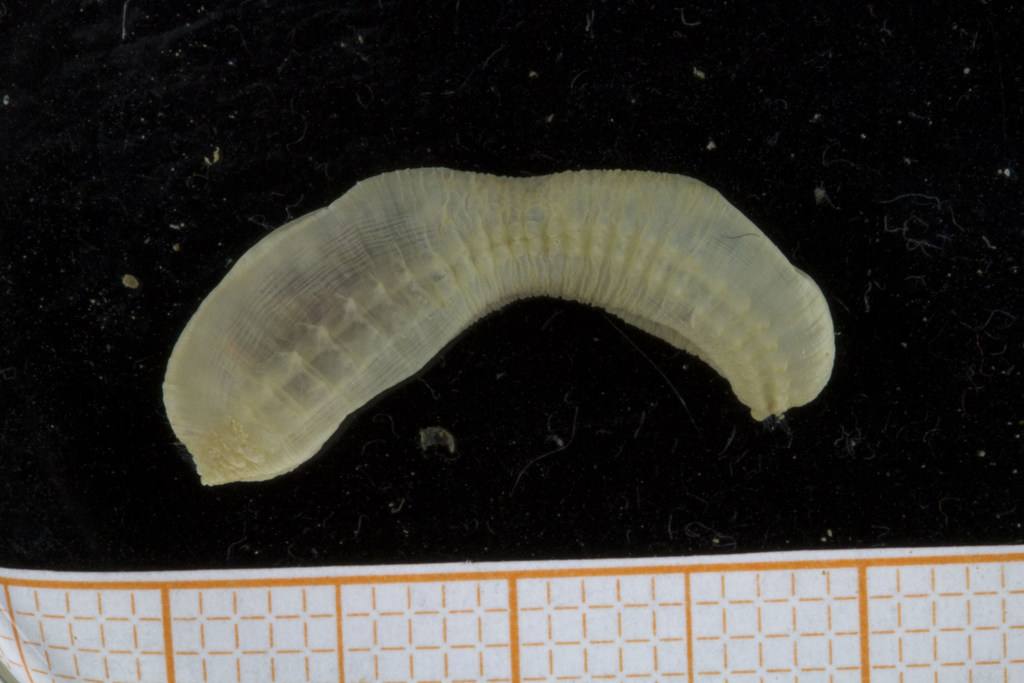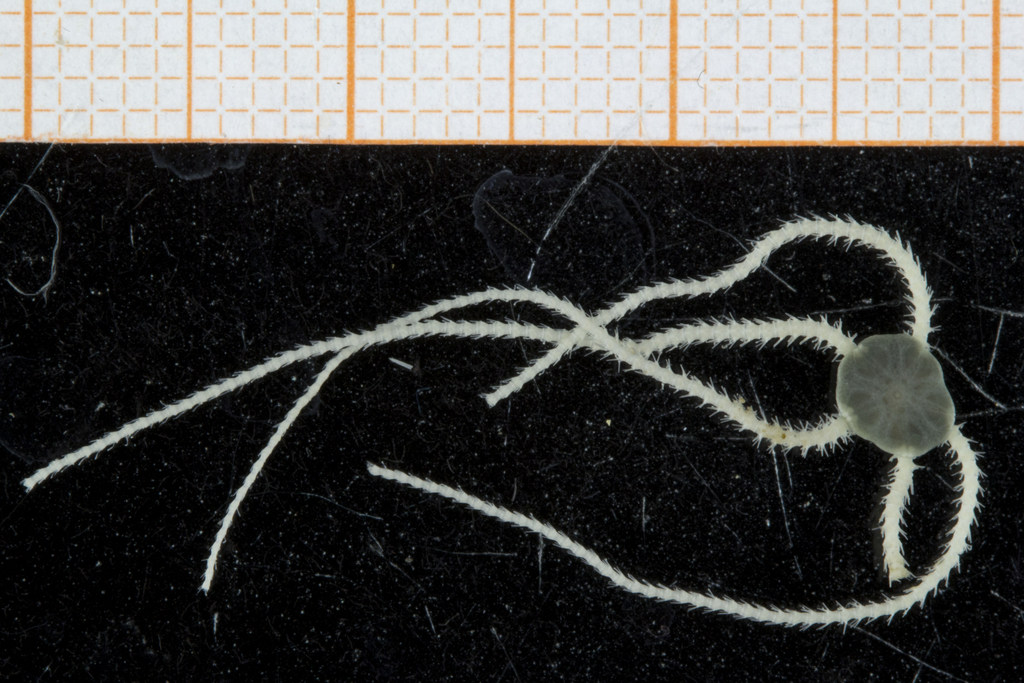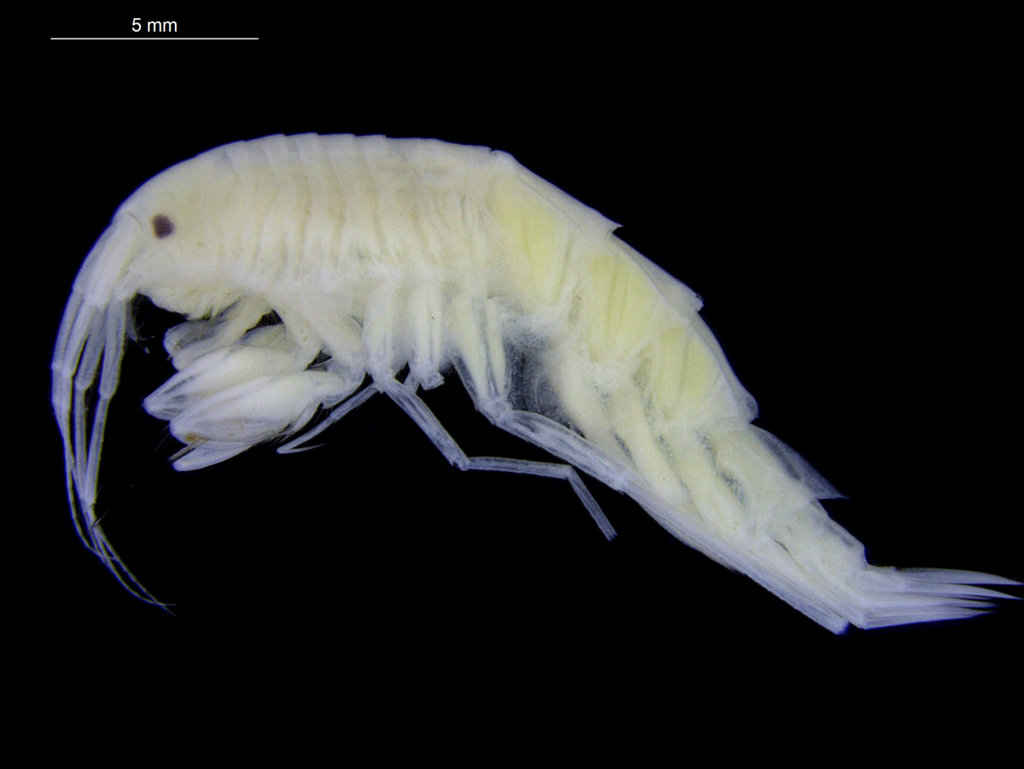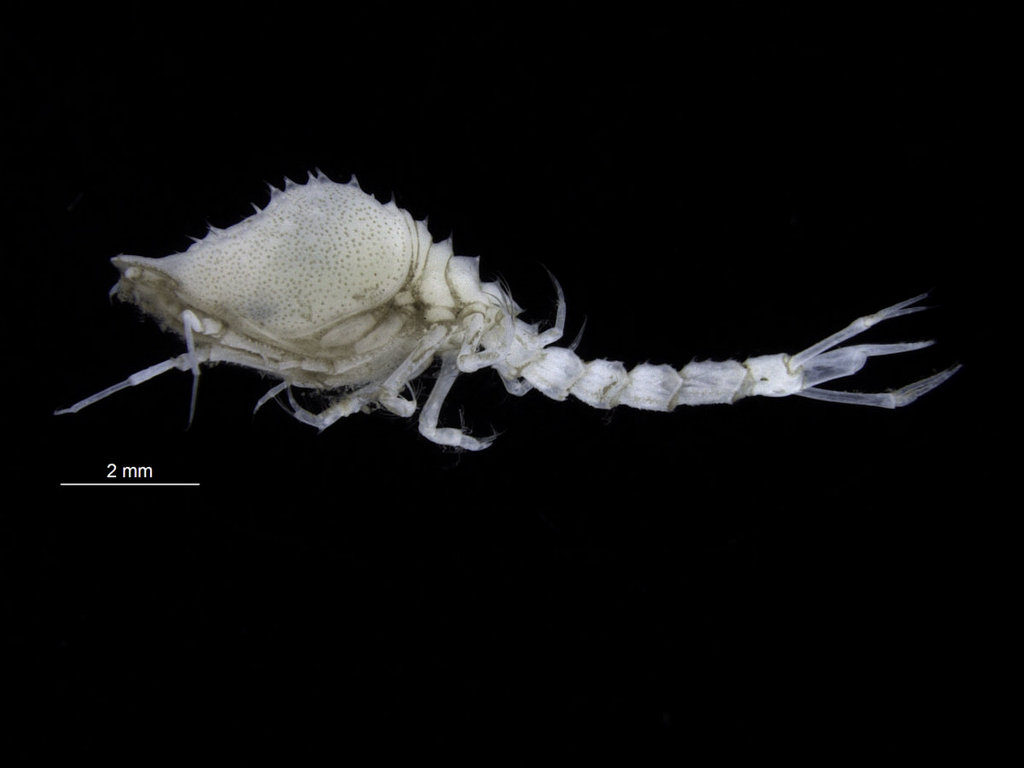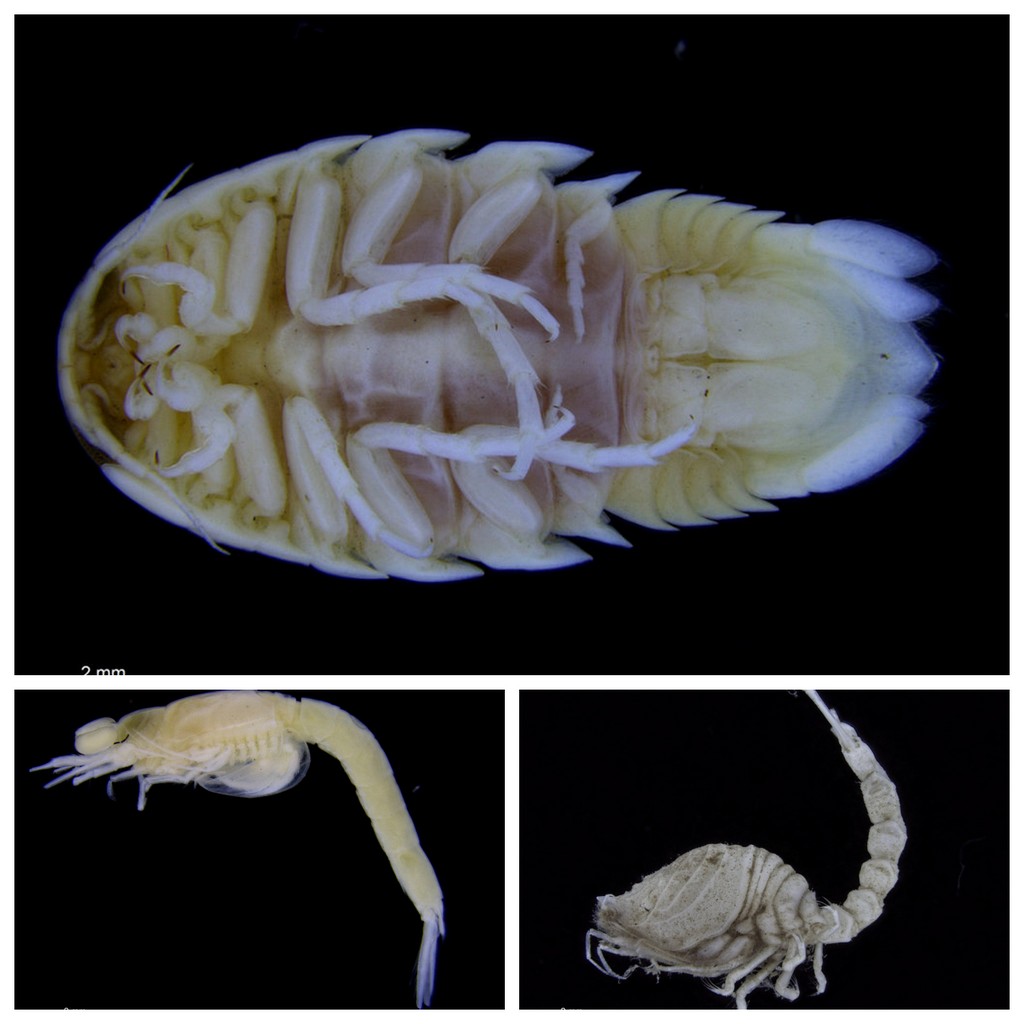
We’re currently busy with a workshop on Marine Invertebrates of West Africa , look here for news on that:
The Museum’s scientific cruise of 2014
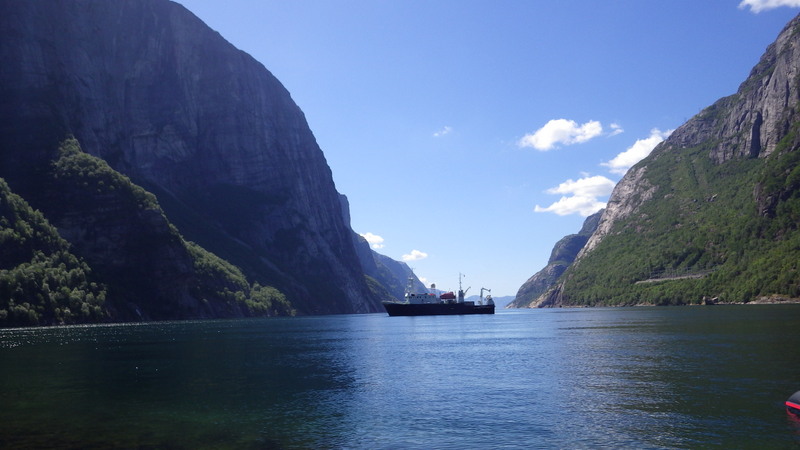
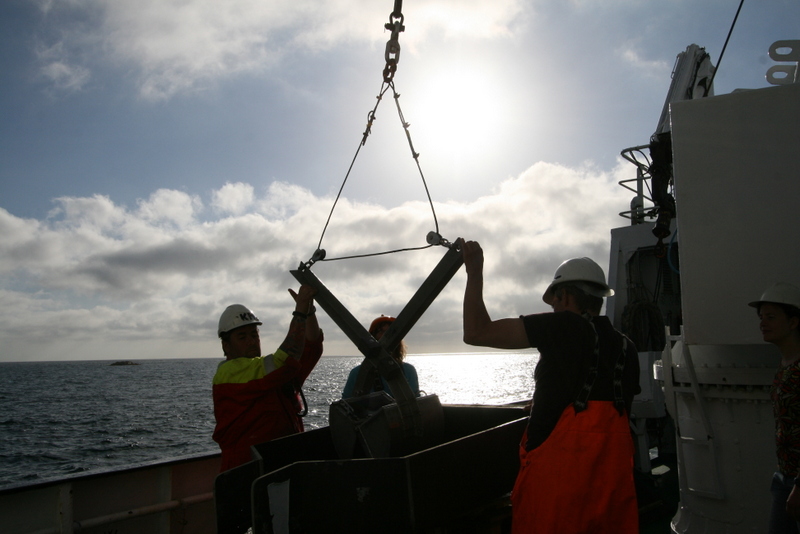
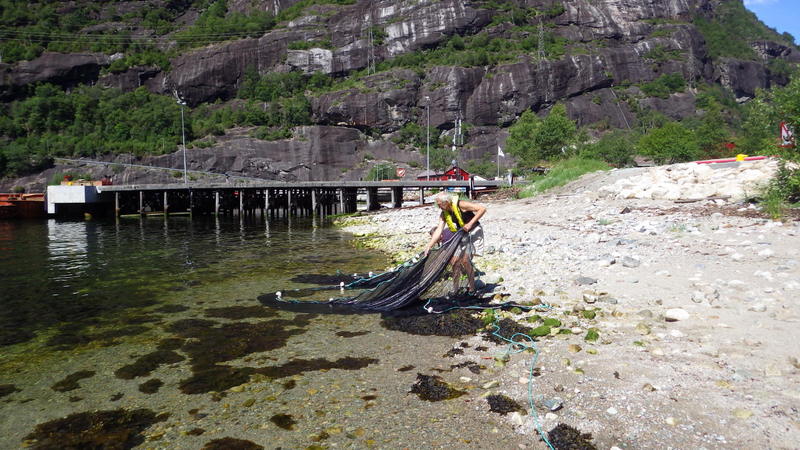
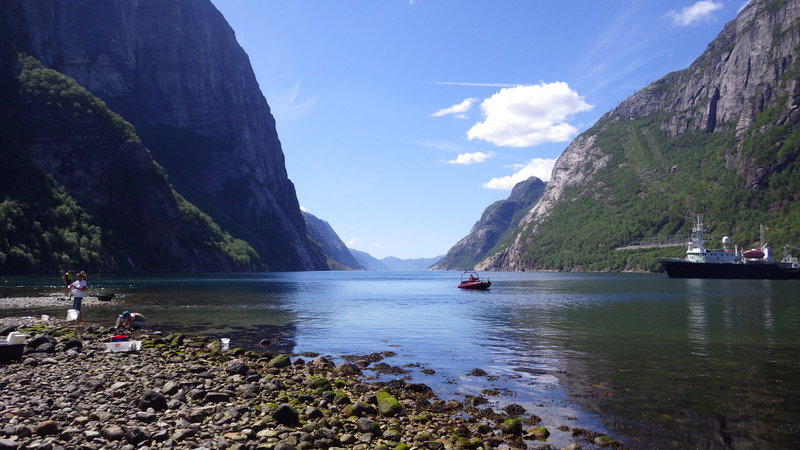
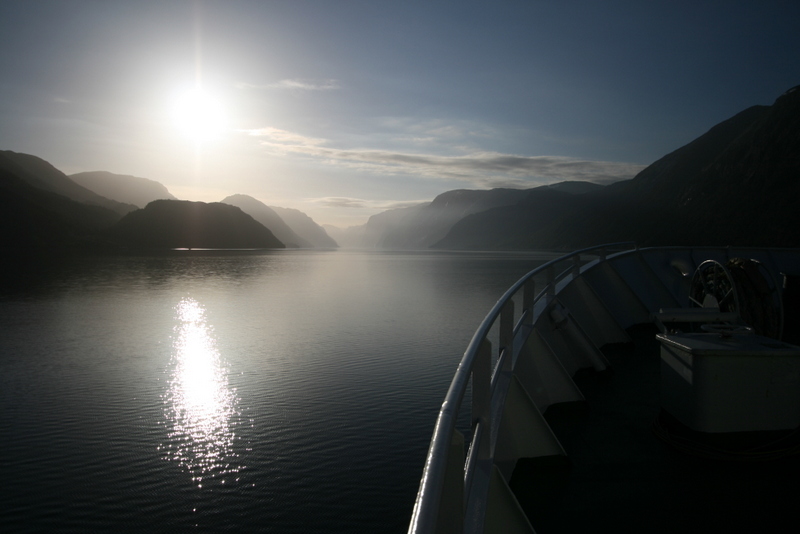
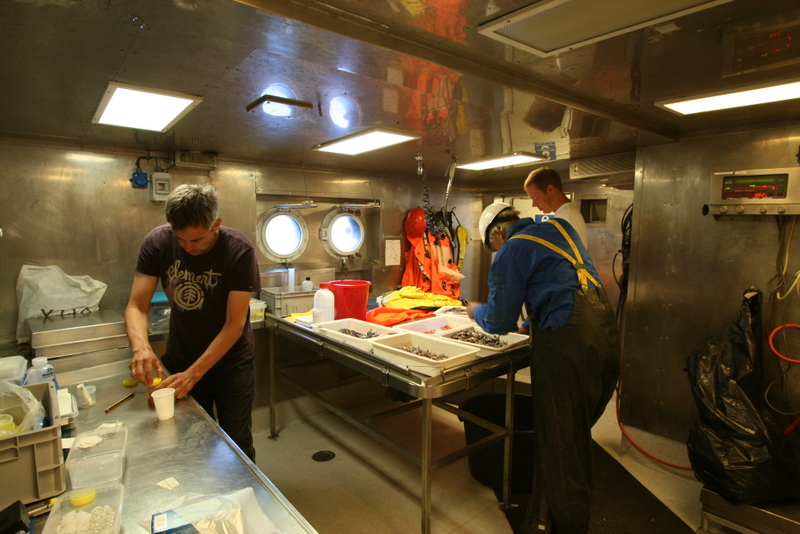
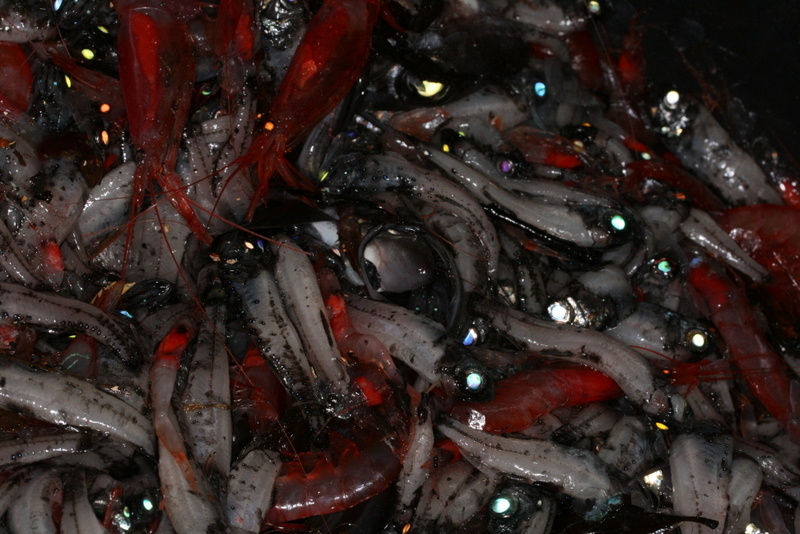
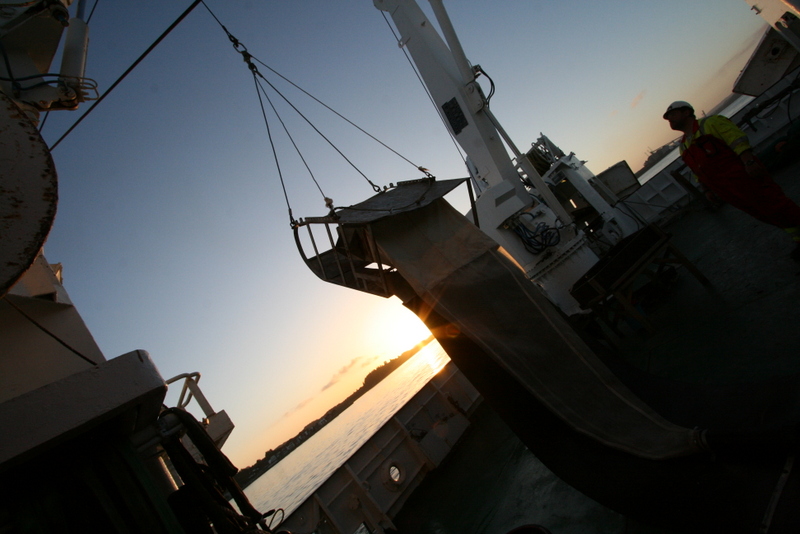
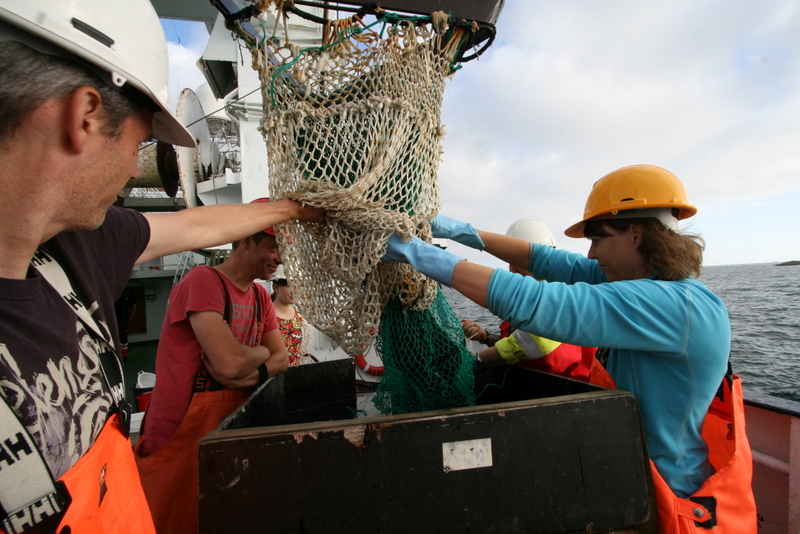
We’ve spent the past couple of days out on the big ole’ blue, sampling along the south-western coast of Norway for bristle worms, worm molluscs, bubble snails and fish on board the research vessel “Håkon Mosby”.
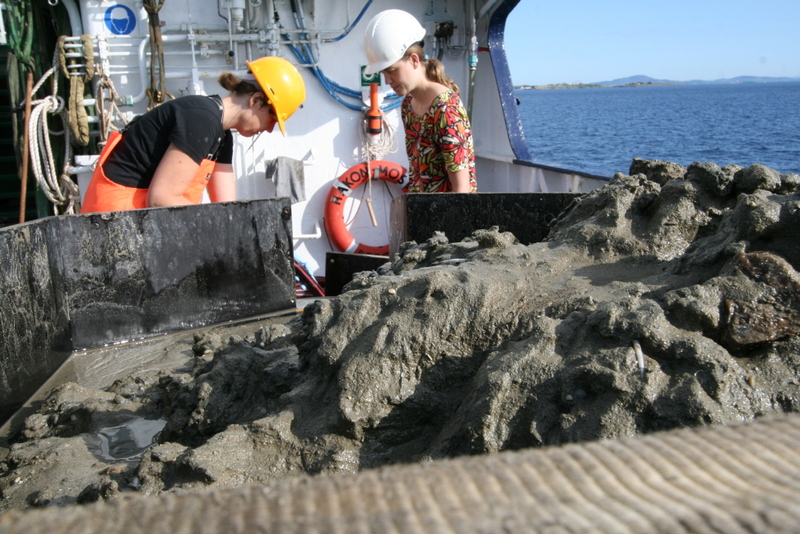
We went from Bergen down to Lysefjorden in Rogaland, and had a highly productive trip. In total we sampled 30 stations using various kinds of gear (epibenthic sled, grab, net, trawl and triangular dredge) to capture our target animals.
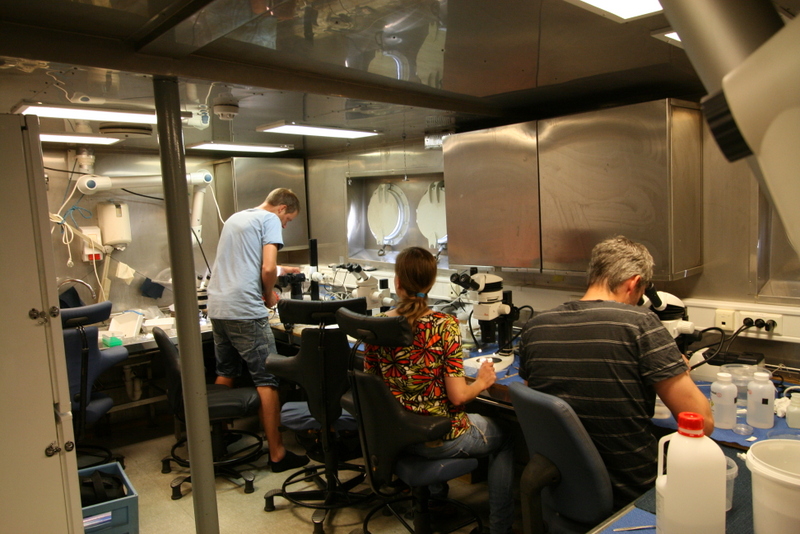
This is a region that we have very little material from, and what we do have has been sampled in a way that makes it unsuitable for genetic work – so we went out to remedy that. Now the work begins with sorting and identifying the animals – but we already know that we have found some of the species that we were hunting for – so the cruise was definitely a success, and the scenery and weather made for a wonderful bonus!
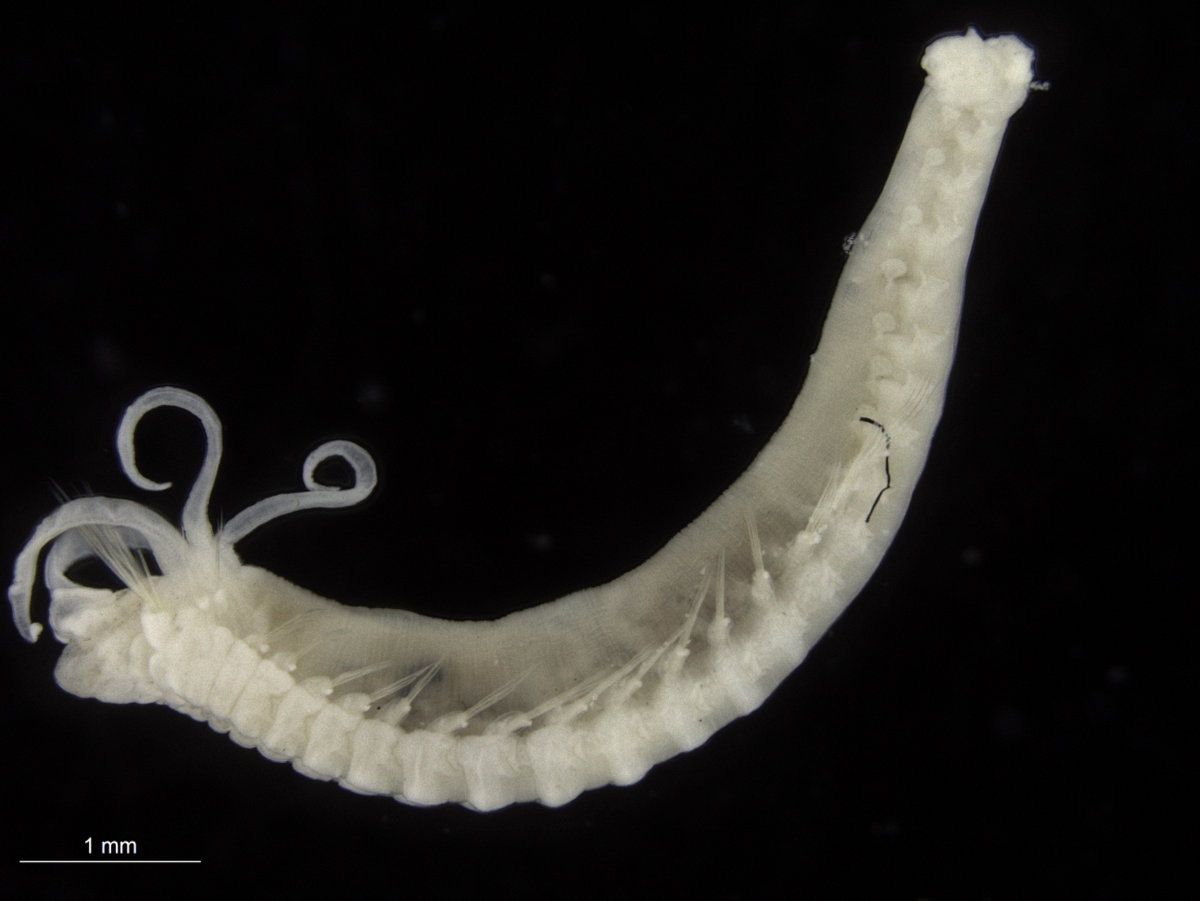
Friday Photo: A beautiful feather duster worm!
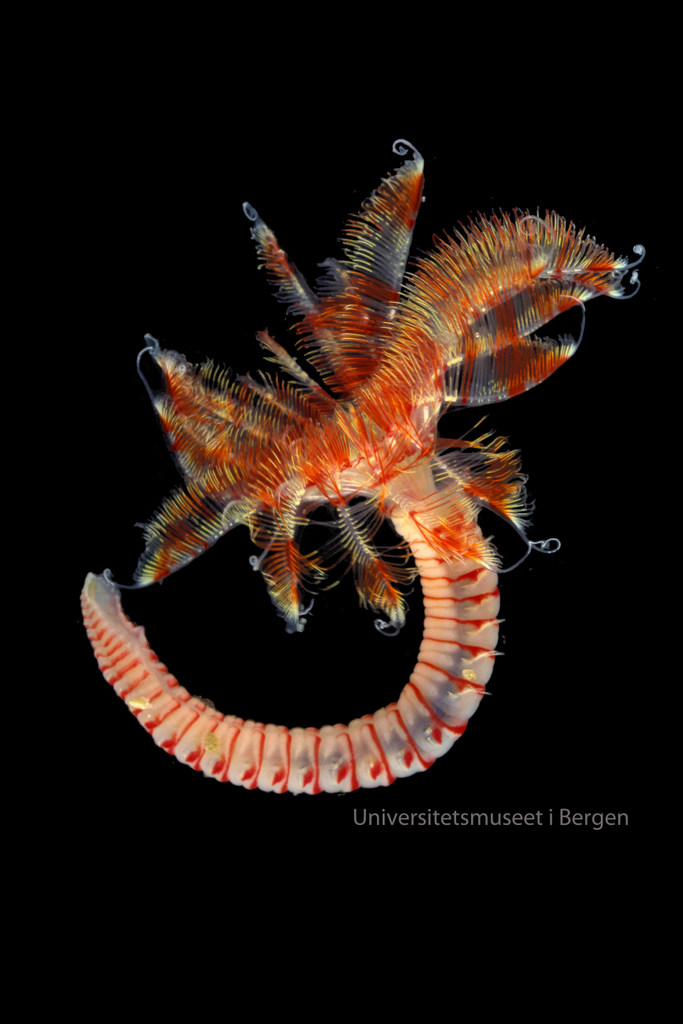
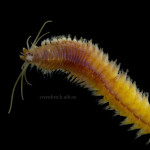
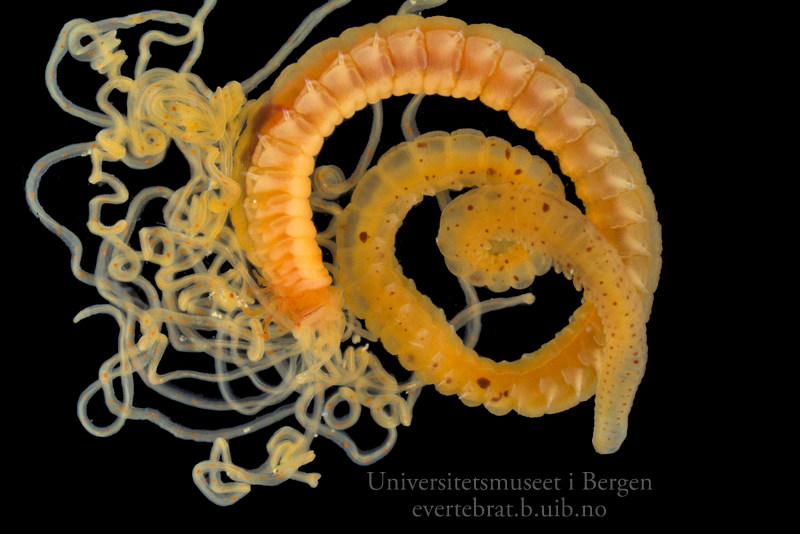
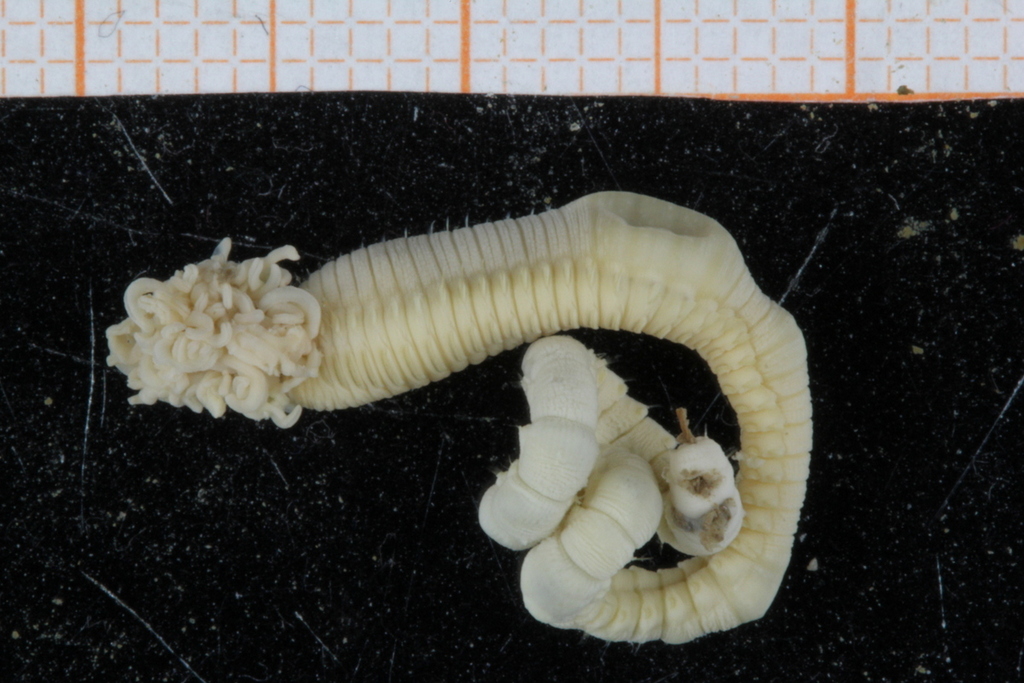
For todays photo we have a real beauty; this bristle worm (Polychaeta) from the family Sabellidae, the feather duster worms!
After being emailed this photo, one of our collaborators – who works with the Sabellidae – has identified it to the genus Euchone (Thanks, M.! ).
For an identification to species level, an examination of small details, such as the characteristics of individual bristles would be needed. Or we can barcode it and hope that a specimen from the same species has already been (correctly!) identified to species and uploaded to the database, in which case we would get a hit on “our” barcode. In this case, we hope to do both – get a name on it based on the morphology, and do genetic sequencing so that its genetic barcode can be included in the BOLD database
Euchone sp. Photo: K. Kongshavn
It was collected just outside of Bergen on one of our day trips, and will be included in our ongoing effort to assemble a library of genetic barcodes for all the Norwegian marine invertebrates.
Collecting around the island Sotra
We went out collecting with R/V “Hans Brattstrøm” again last Thursday, below is a small sample of the various animals that we collected. These will be used for genetic barcoding through the NorBOL project.
- Galatheidae
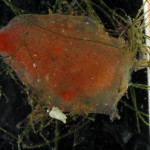
- Aplysia punctata
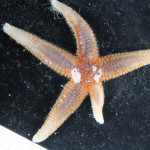
- Asteria rubens
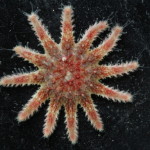
- Crossaster papposus (?)
- Ascidicella scabra
- Phyllodoce cf mycosa
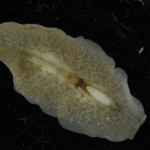
- Platyhelminthes
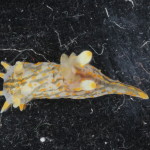
- Polycera quadrilineata
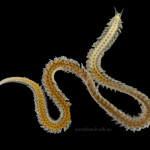
- Nereis sp
- Lovely day at the office!
- Hyas coarctatus
- Pandalus montagui
- Brachyura
- Polycera quadrilineata
Friday Photo
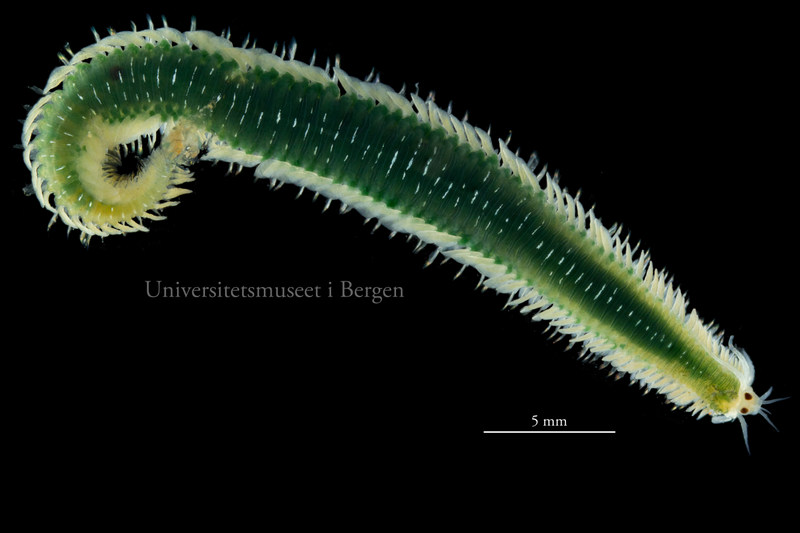
Friday Photo: Eumida alkyone
We went on two one-day trips with the R/V “Hans Brattstrøm” in March, here’s a collection of snapshots from the sunny day of surveying.
This is one of the species we found, and – apart from being nice and photogenic – it is also interesting as it is a rather new species, described in 2010. You can read more about that here:
Nygren, Arne ; Pleijel, Fredrik. 2010. From one to ten in a single stroke – resolving the European Eumida sanguinea (Phyllodocidae, Annelida) species complex. Molecular Phylogenetics and Evolution [In Press, Corrected Proof] , available online athttp://dx.doi.org/10.1016/j.ympev.2010.10.010. page(s): 8
10(!) new plates ready for BOLD
We’re currently in the final stages of preparing ten plates; 9 from Norwegian waters for the Norwegian Barcode of Life project (NorBOL), and one plate of Polychaetes from the Marine Biodiversity of Western Africa (MIWA) project for submission to the BOLD database.
The shipment will consist of the following taxa groups:

…4 plates of polychaetes (bristle worms) from Norwegian waters. These have mainly been collected by the large projects MAREANO, BIOSKAG and PolySkag, and have been identified during workshops that we have arranged.

One plate of Amphipoda, mostly collected by MAREANO, but also samples collected during a teaching cruise from UNIS at Svalbard
Hopefully the sequencing will be successfull, and yield many new DNA barcodes!
More about… Fieldtrip to Mozambique – hunting for seaslugs

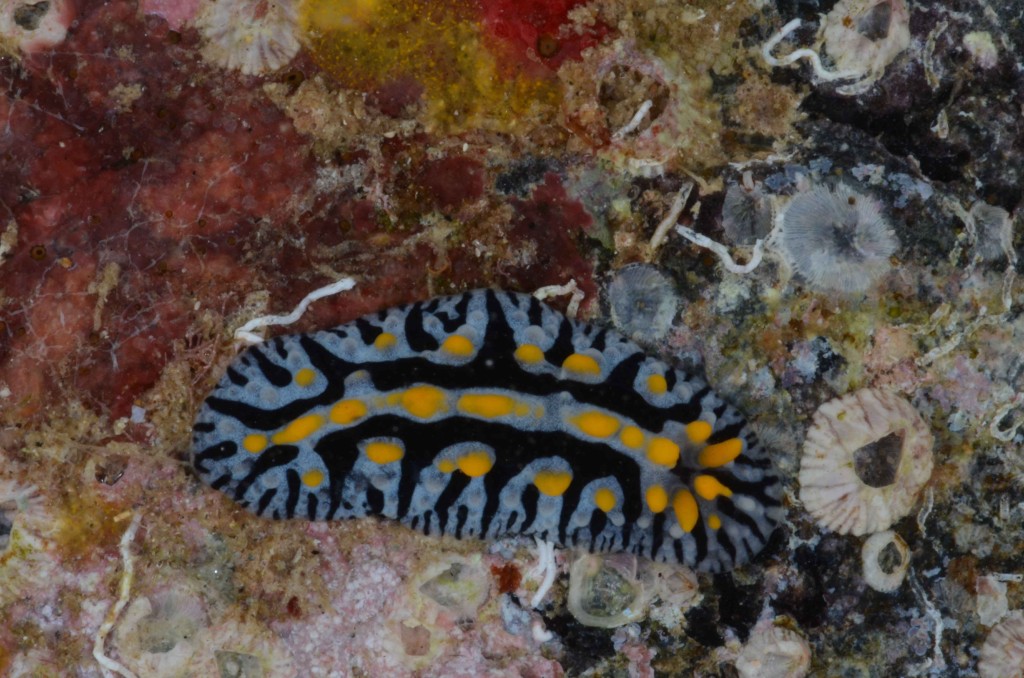
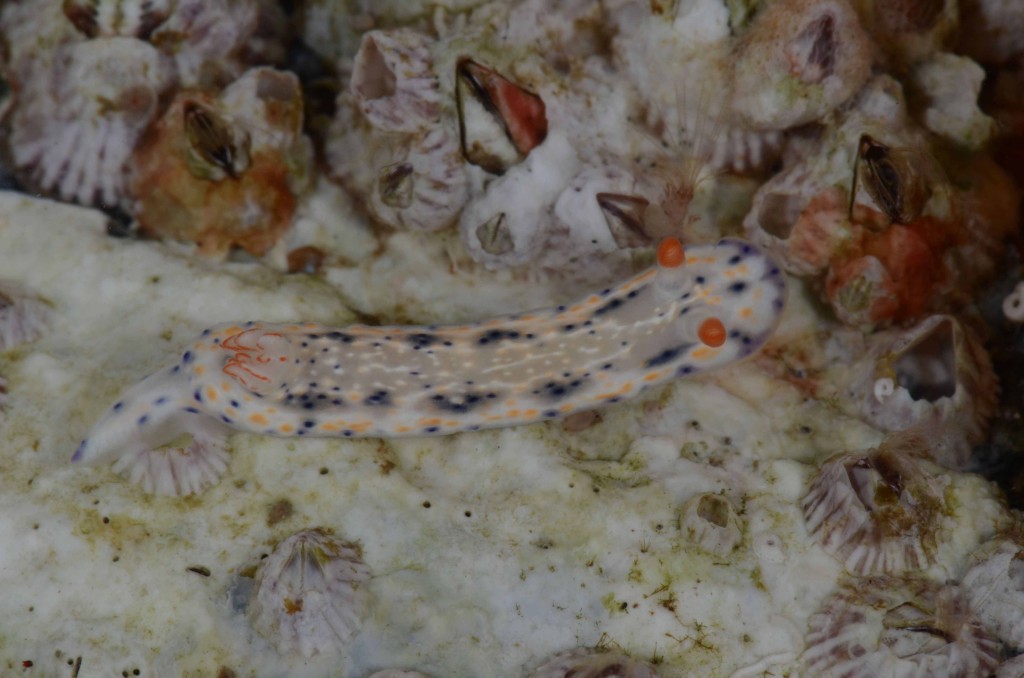
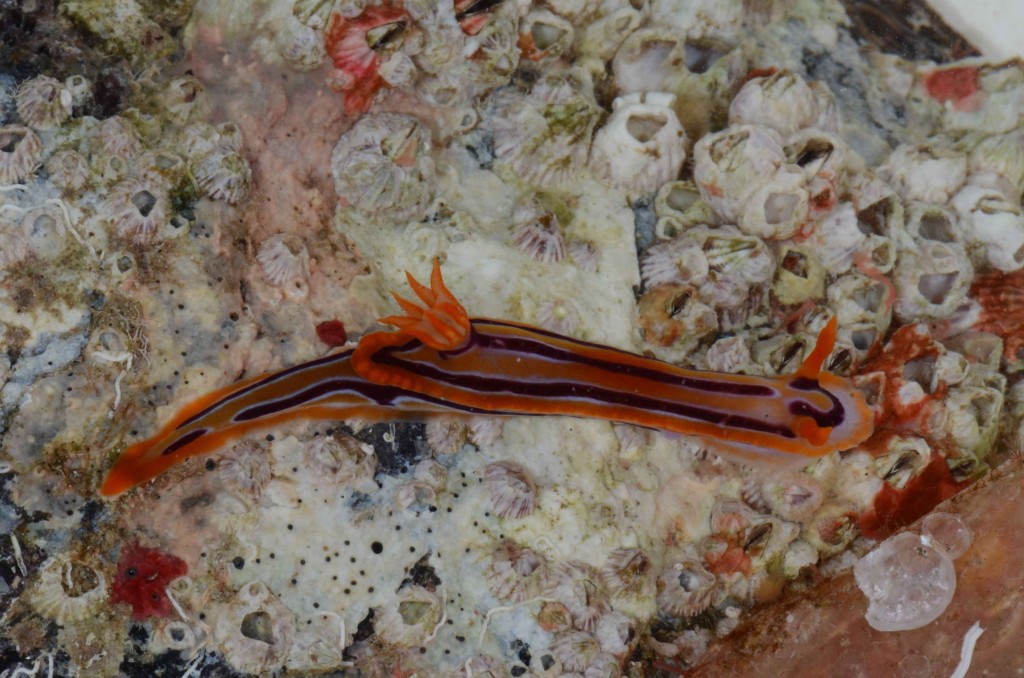
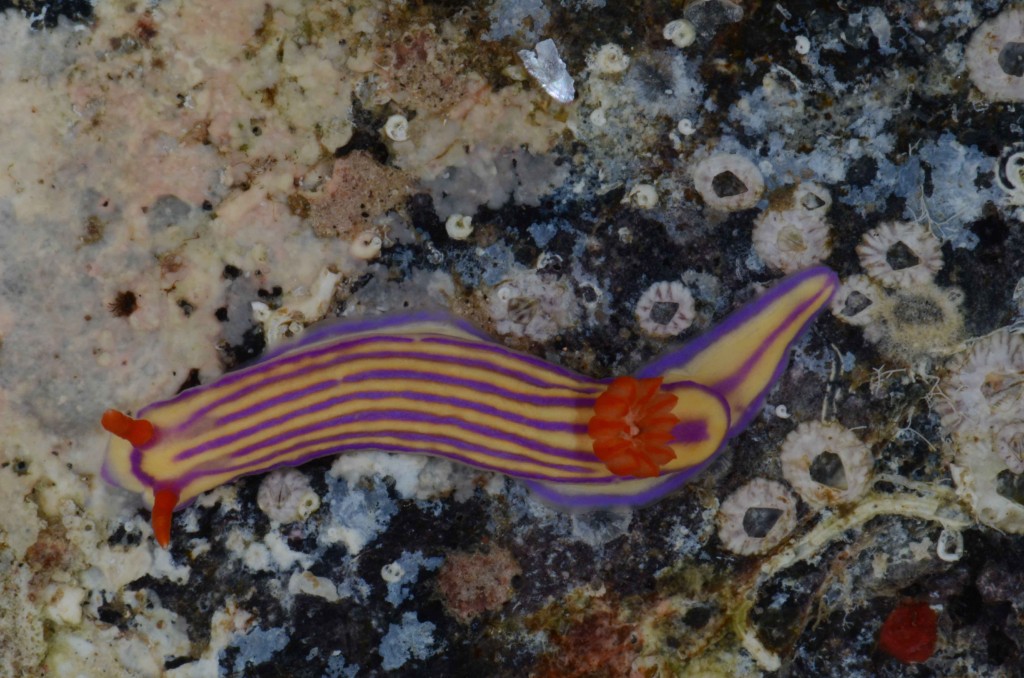
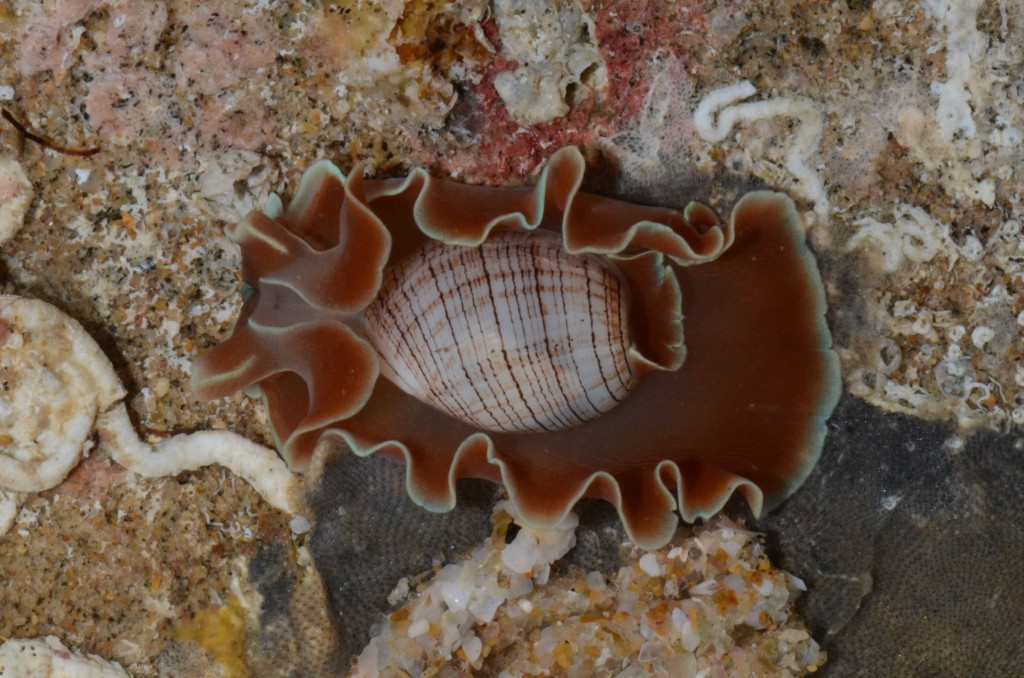
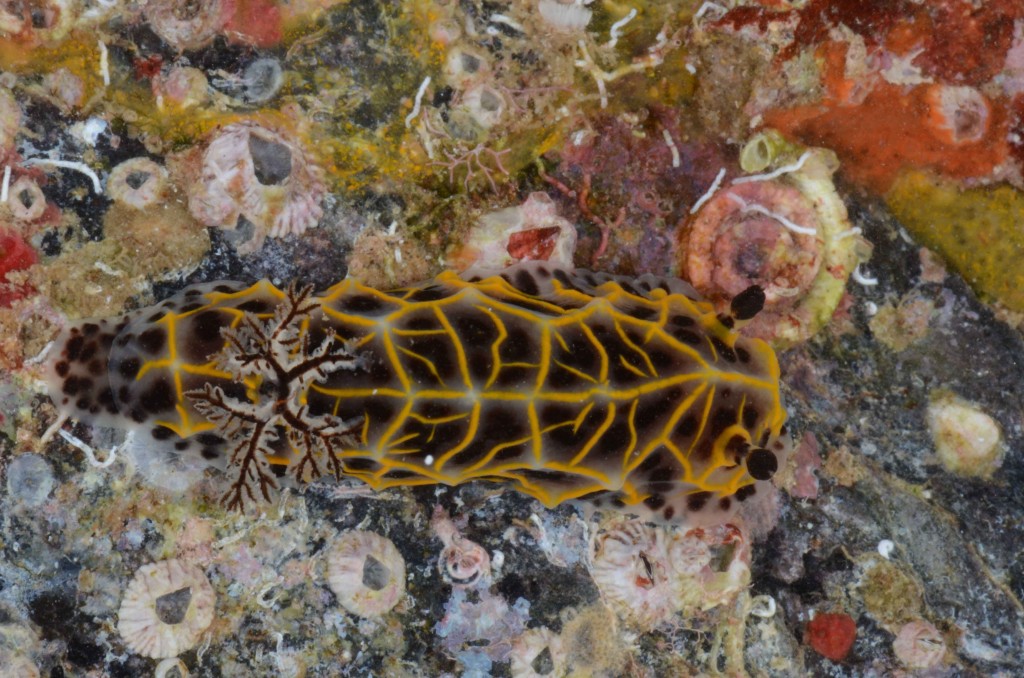
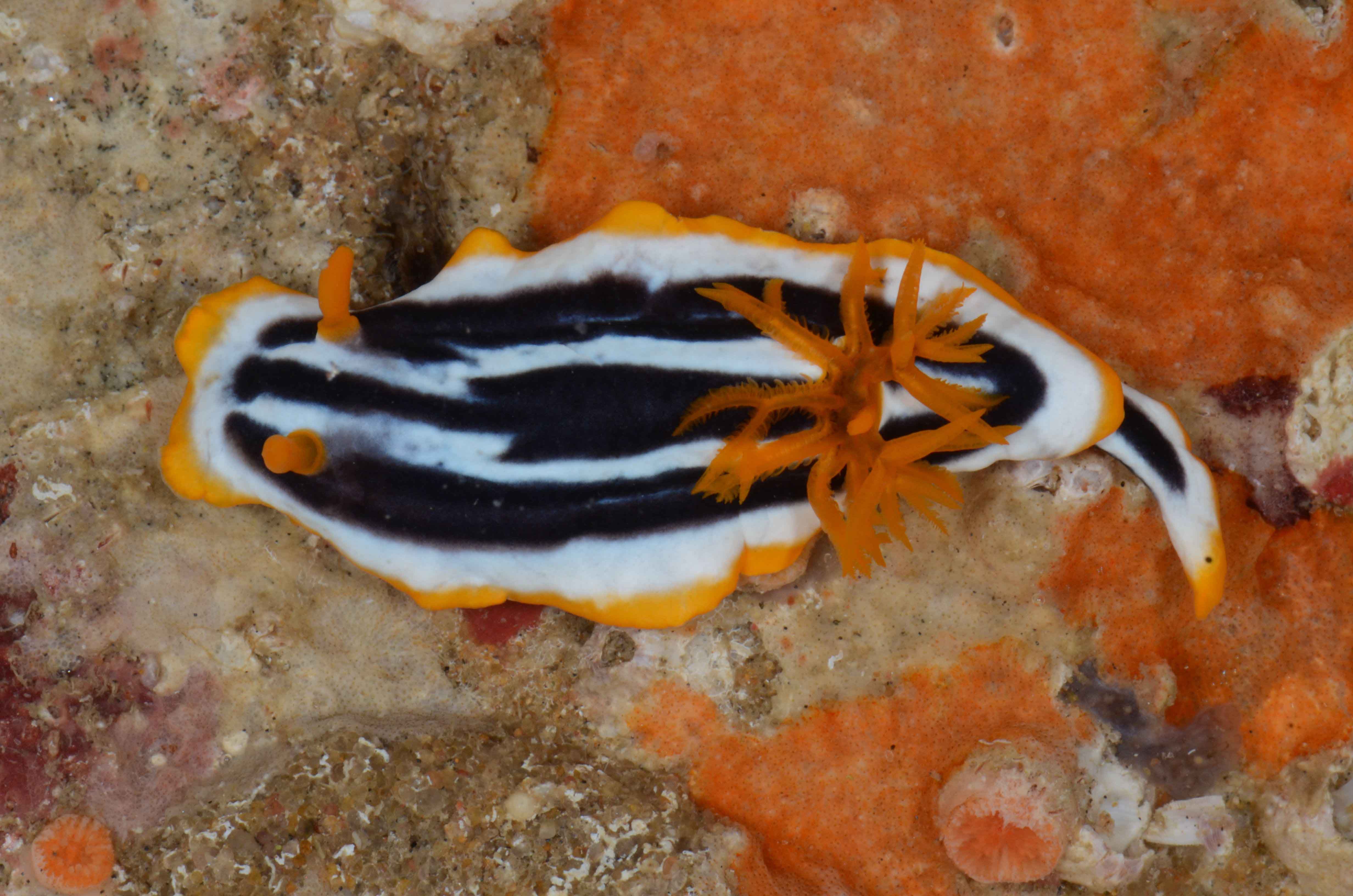
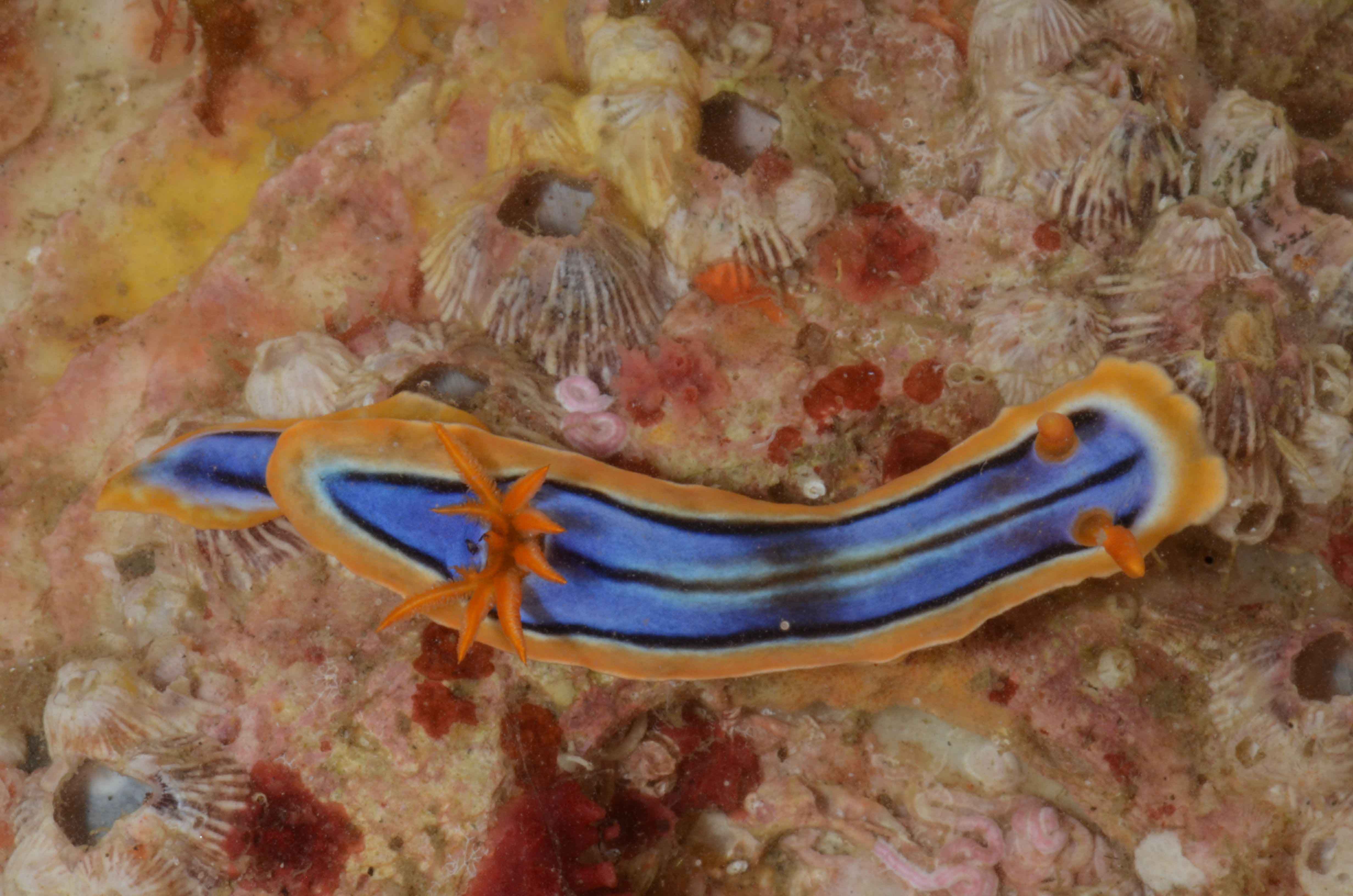
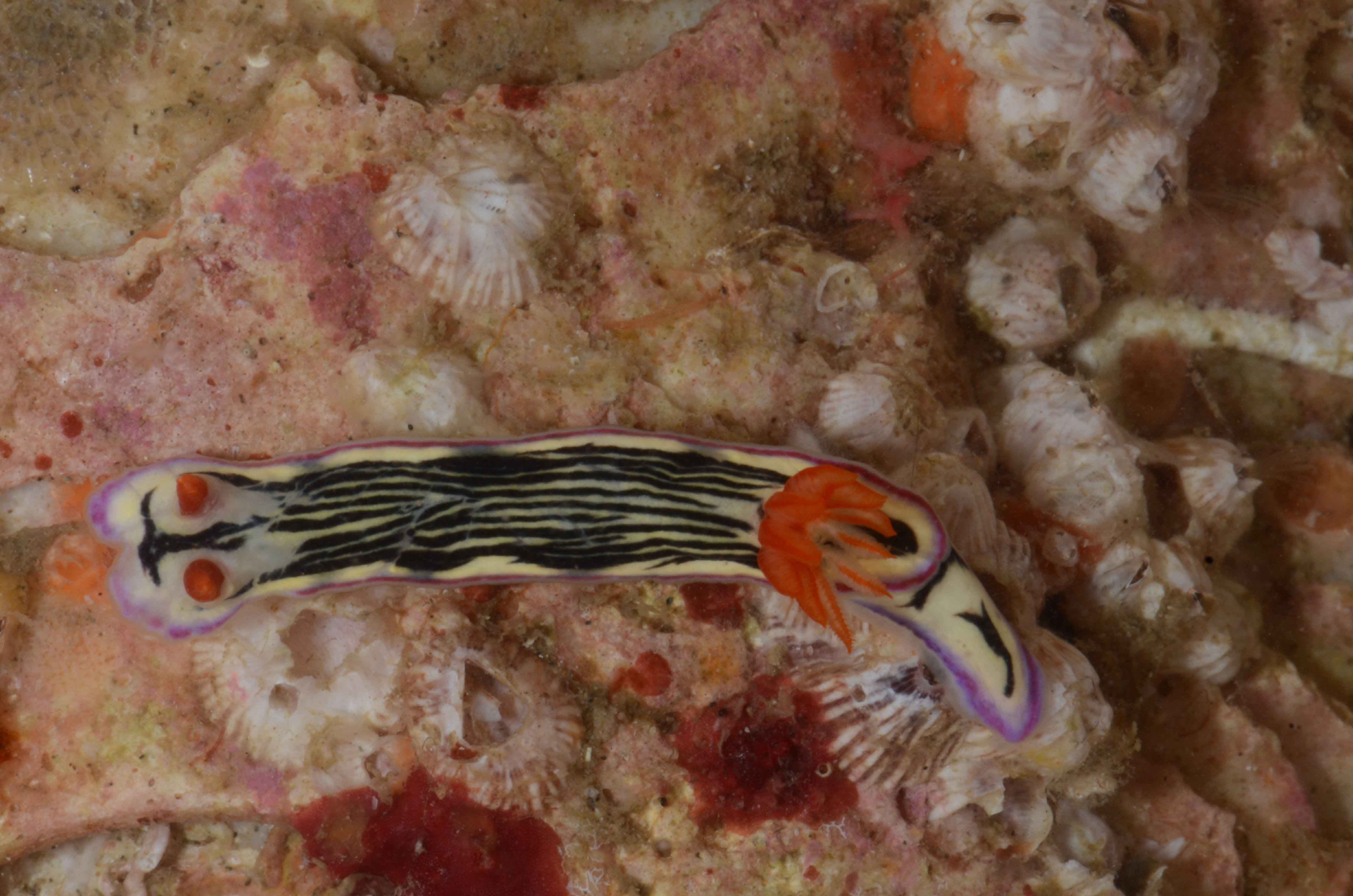
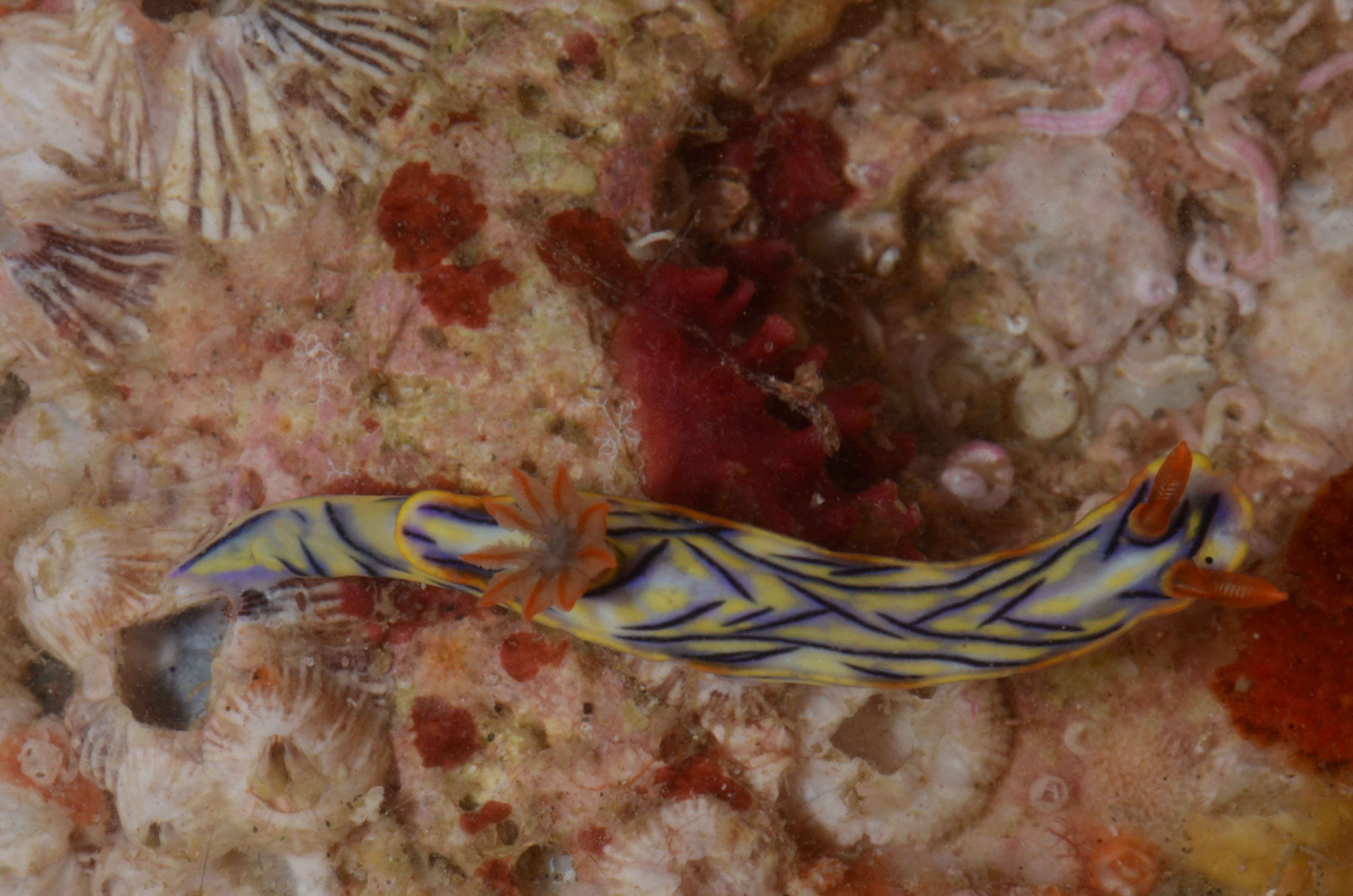
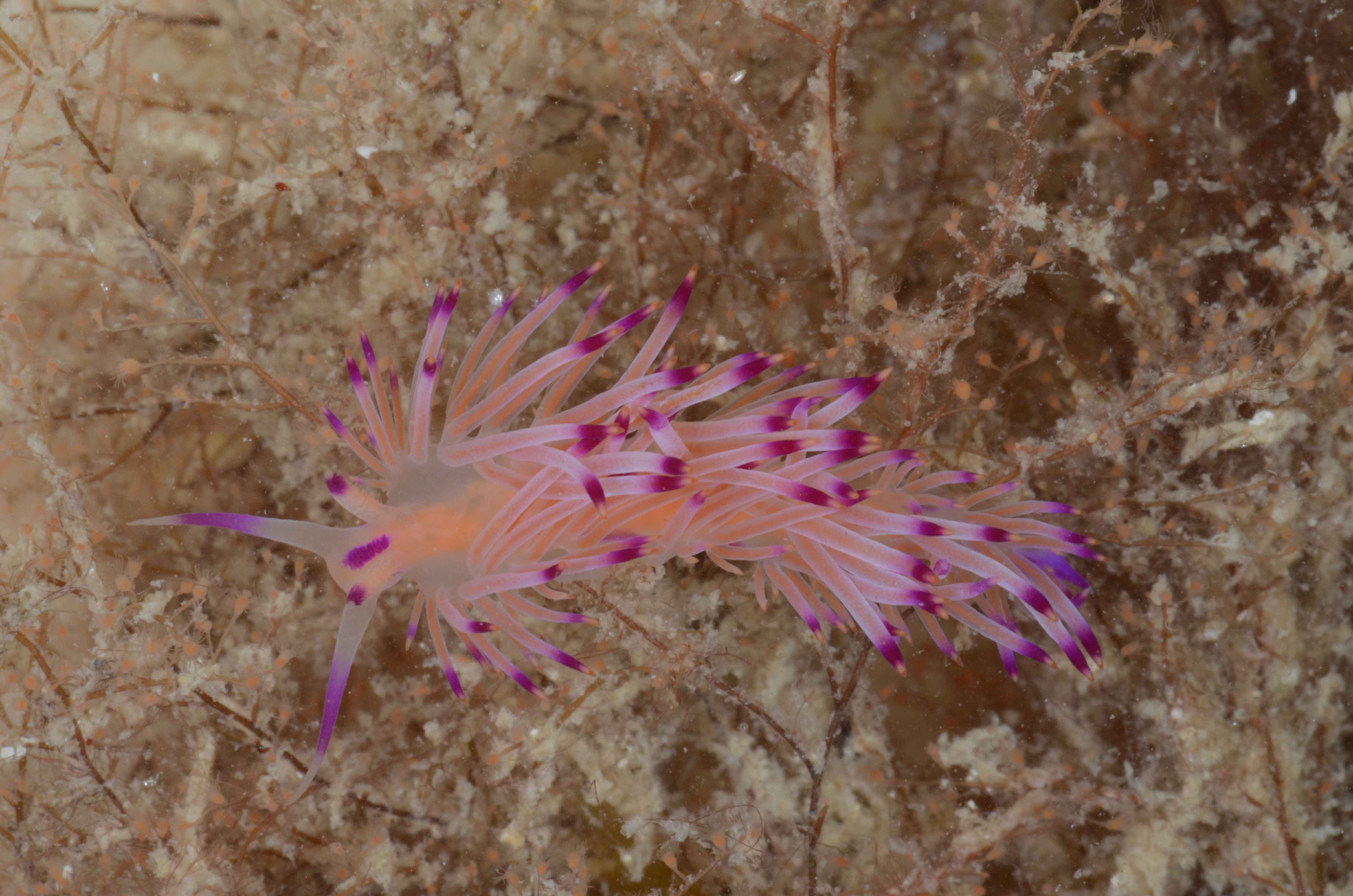
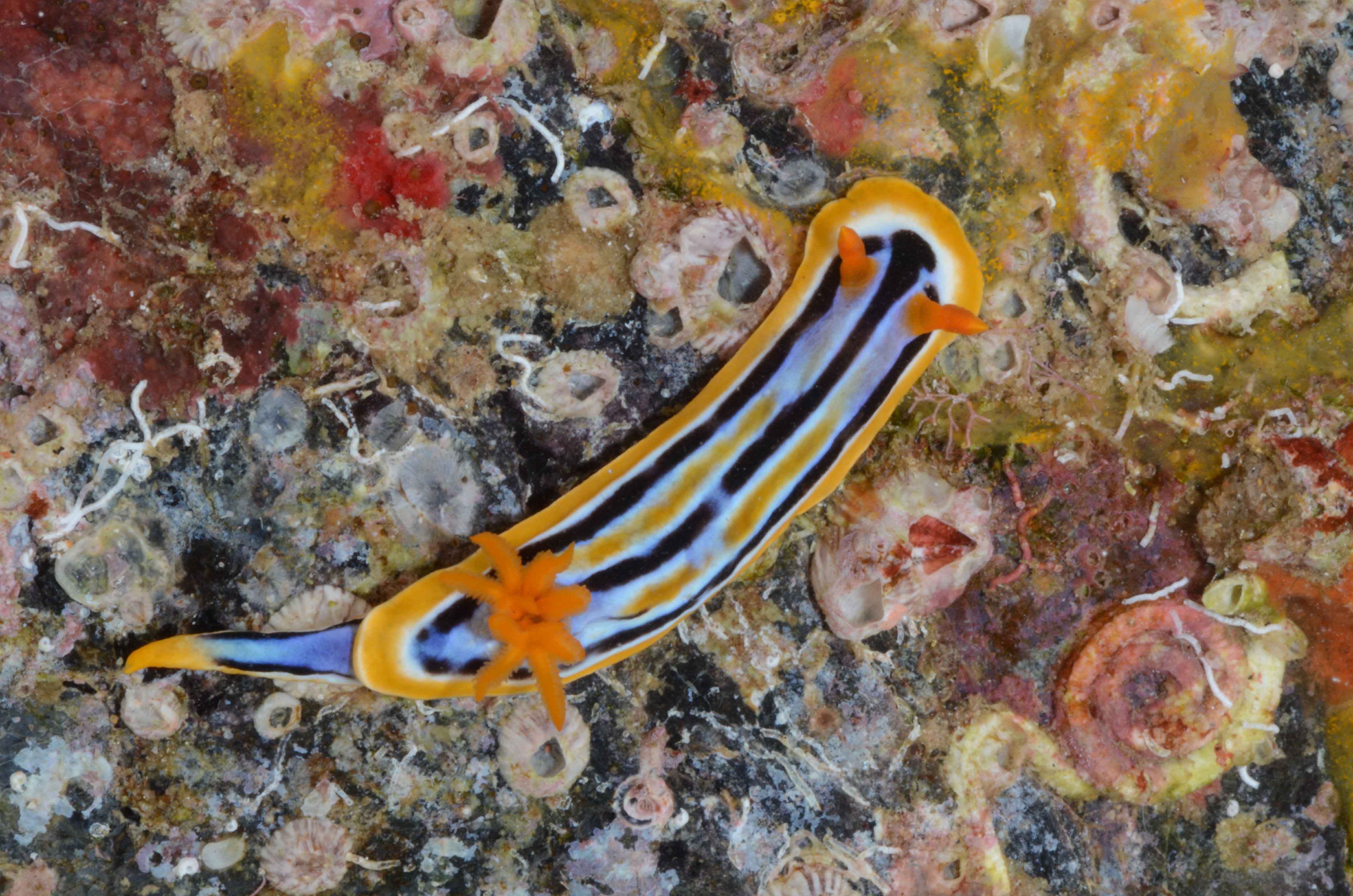
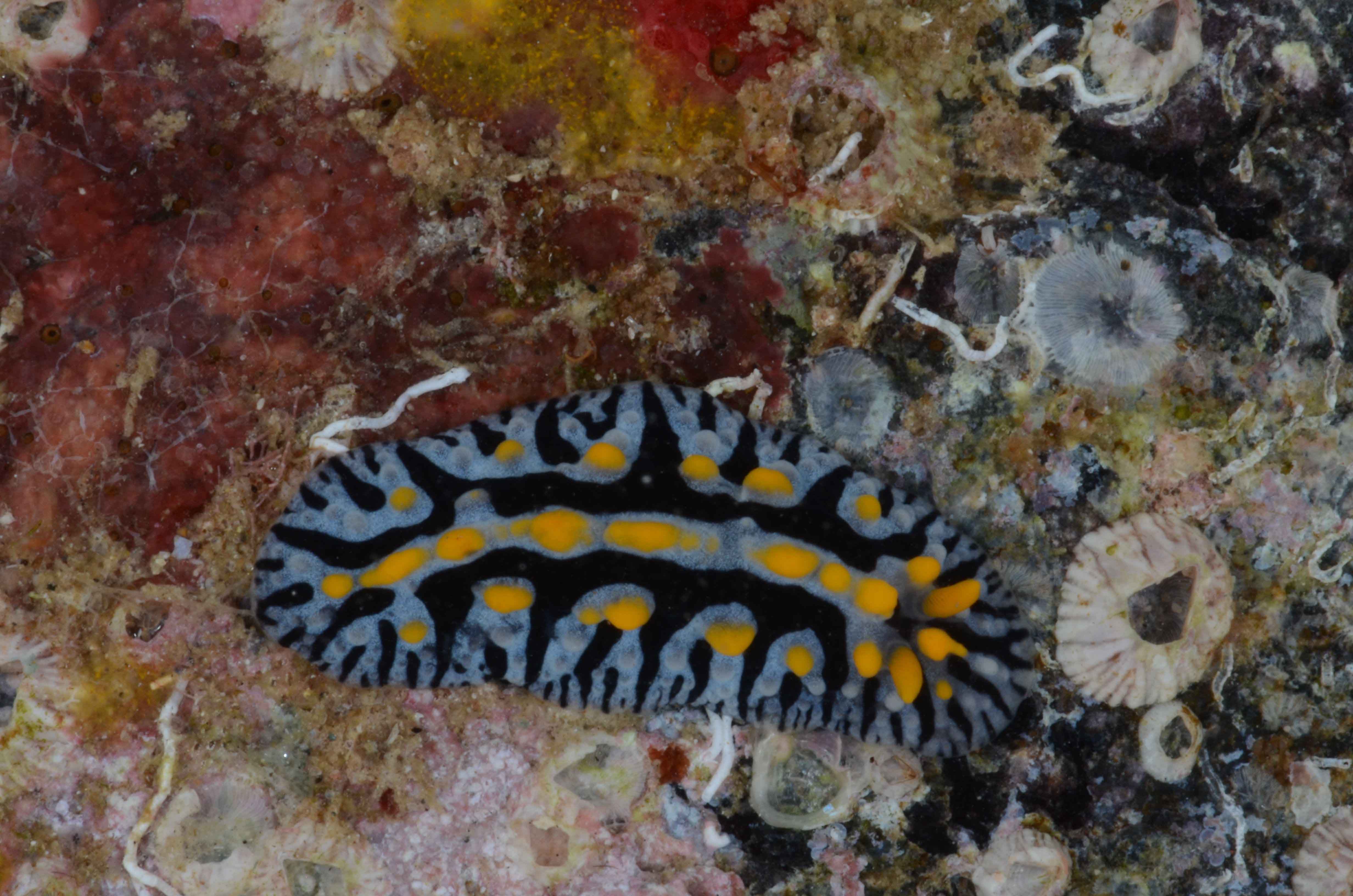
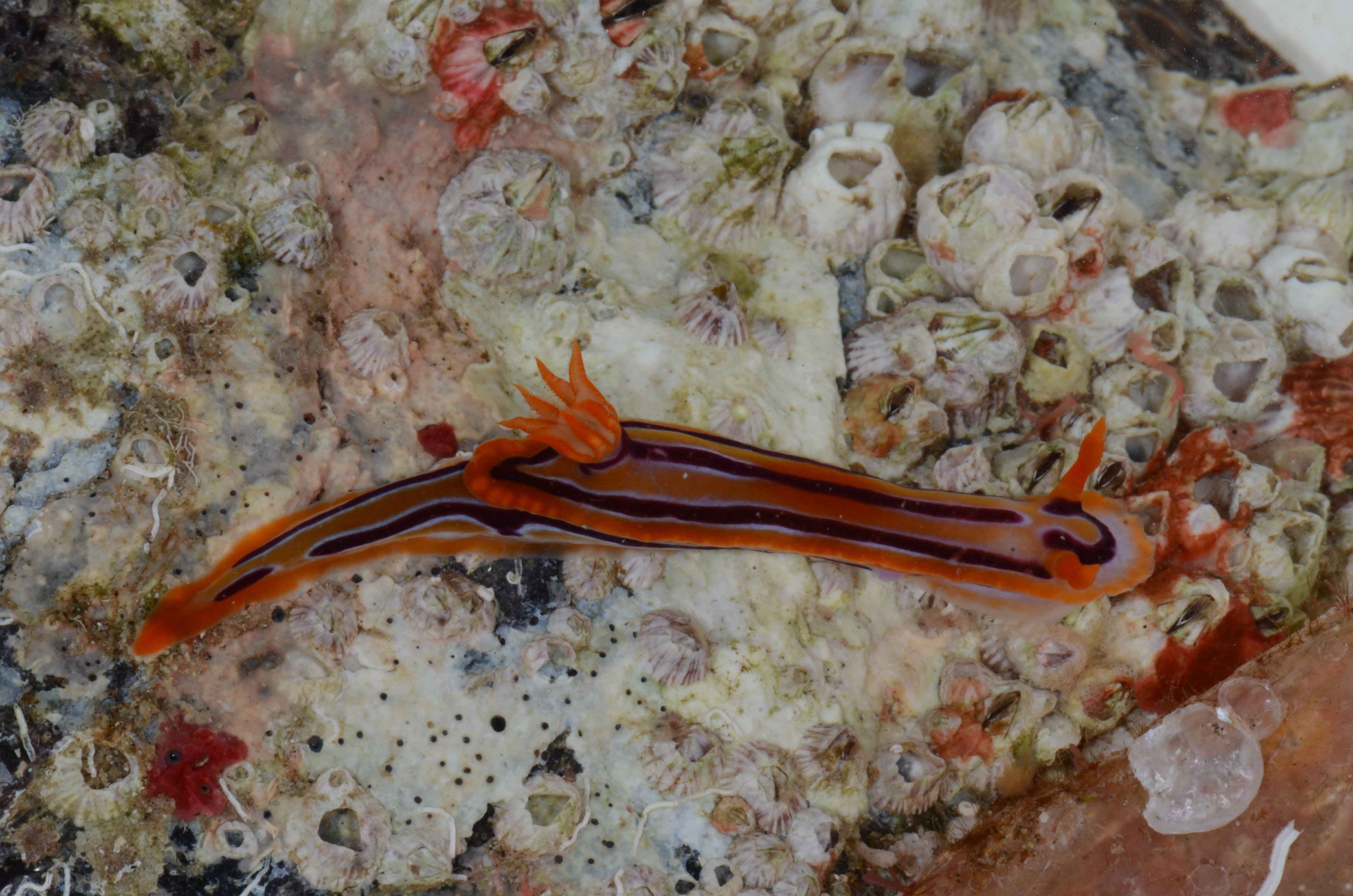
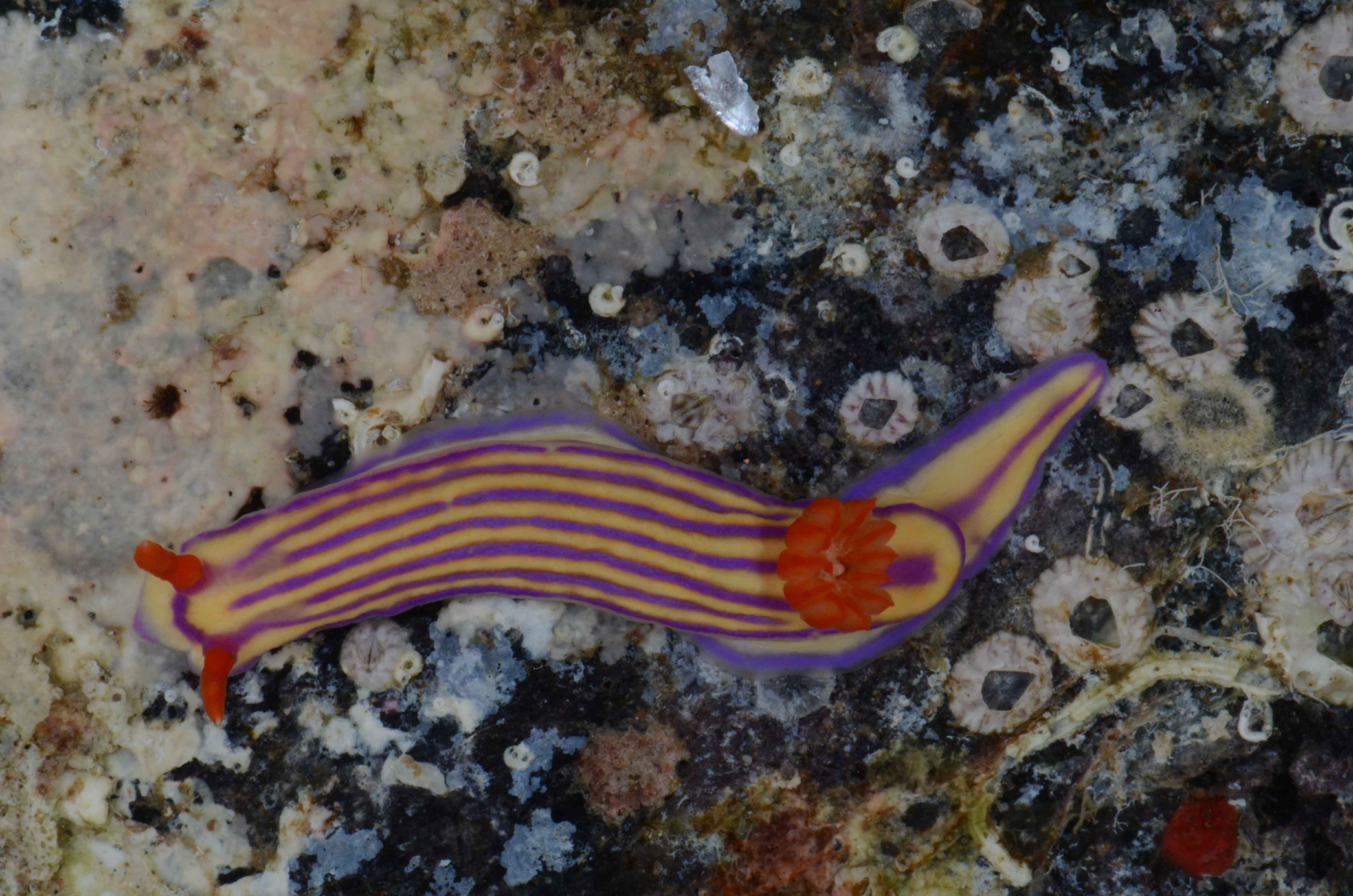
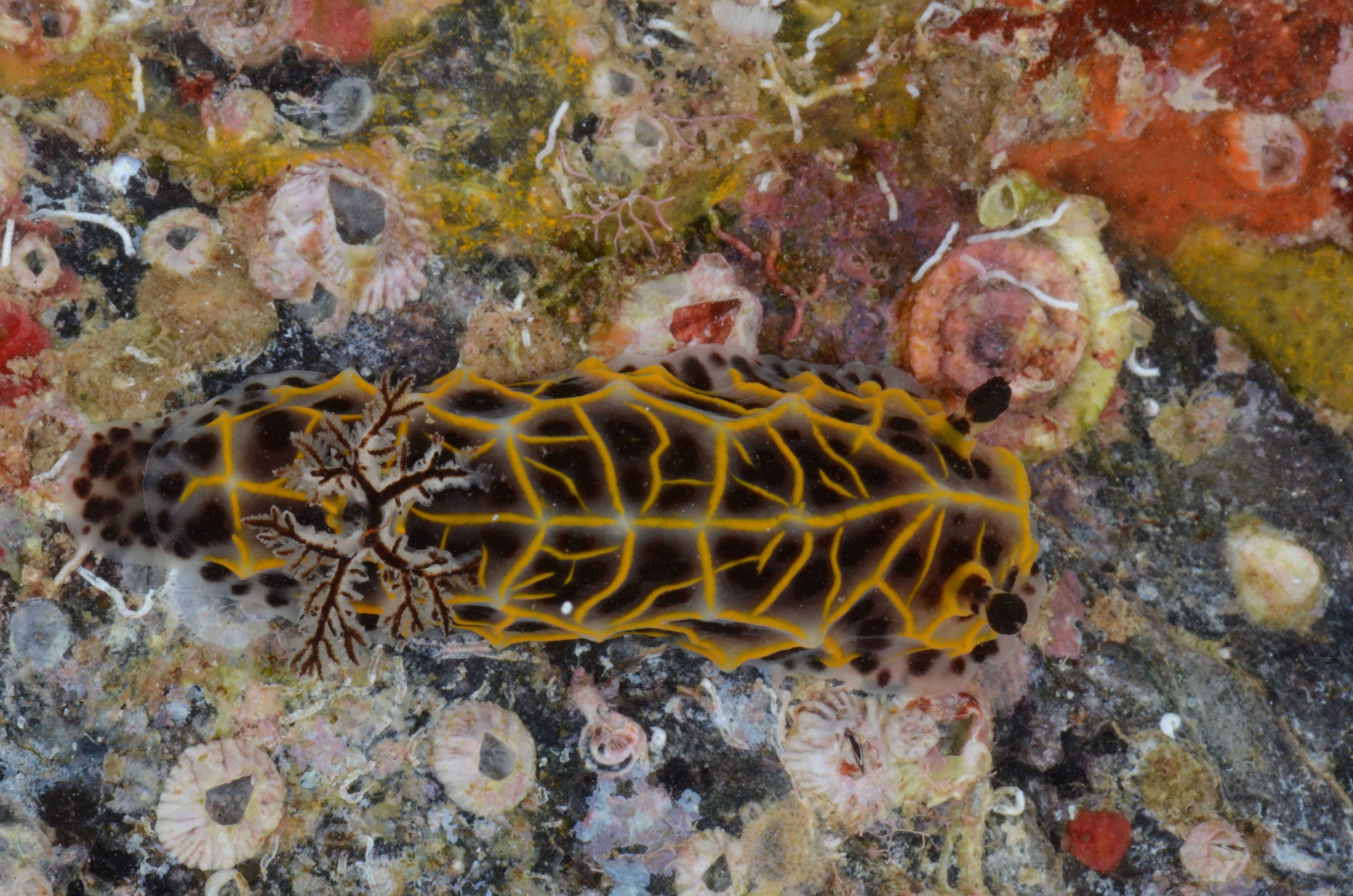
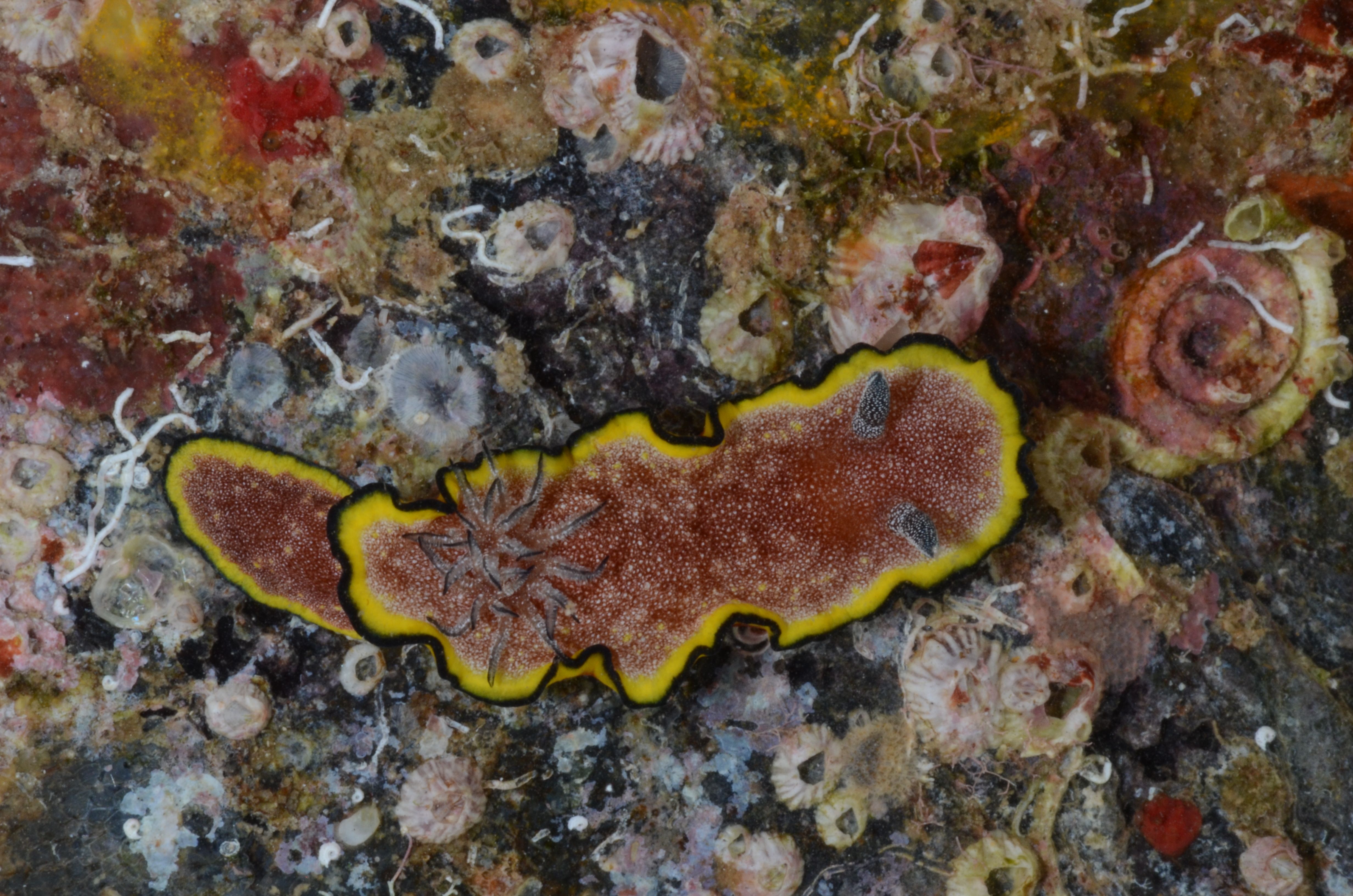
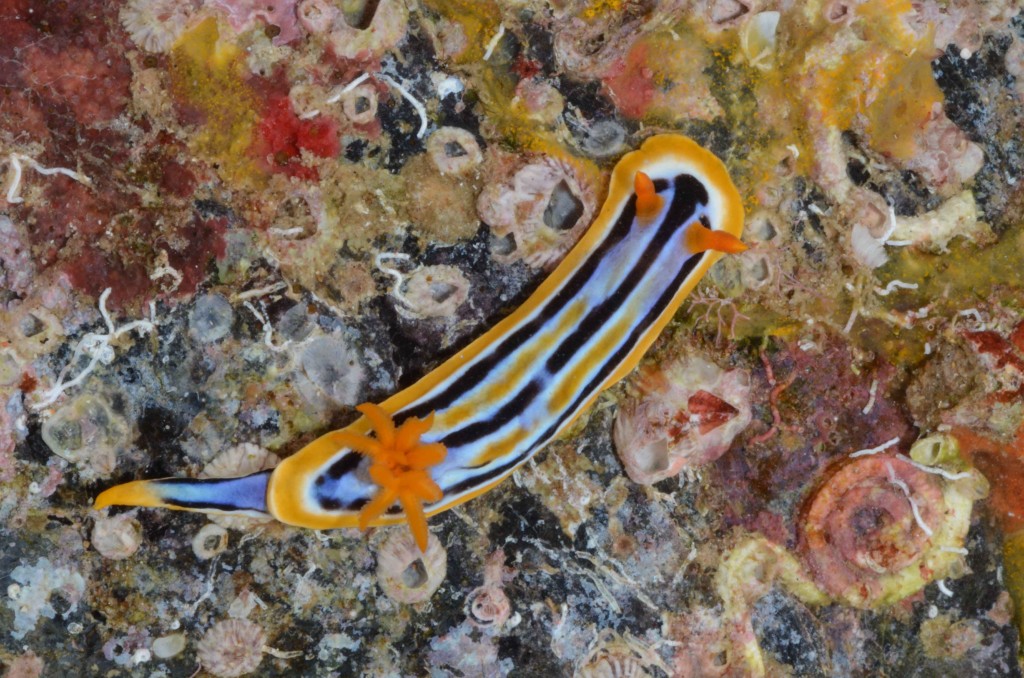
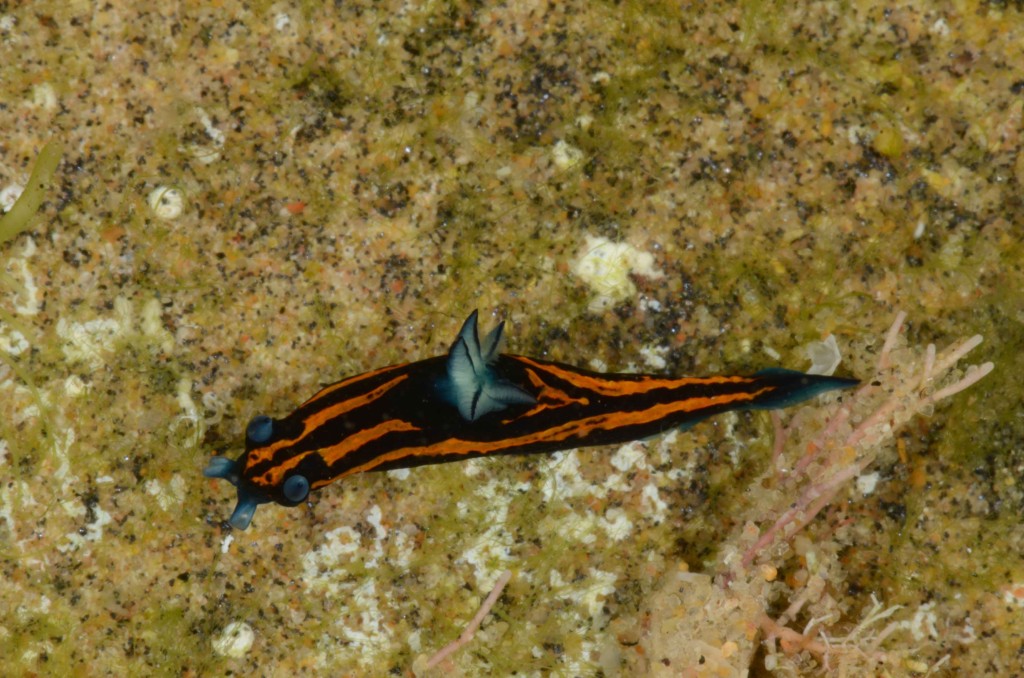
Chromodoris africana (Zavora, Inhambane). This species is part of a complex in need of revision where other “species” imaged here are also part of (e.g. Chromodoris hamiltoni, Hypselodoris regina, Chromodoris elisabethina)
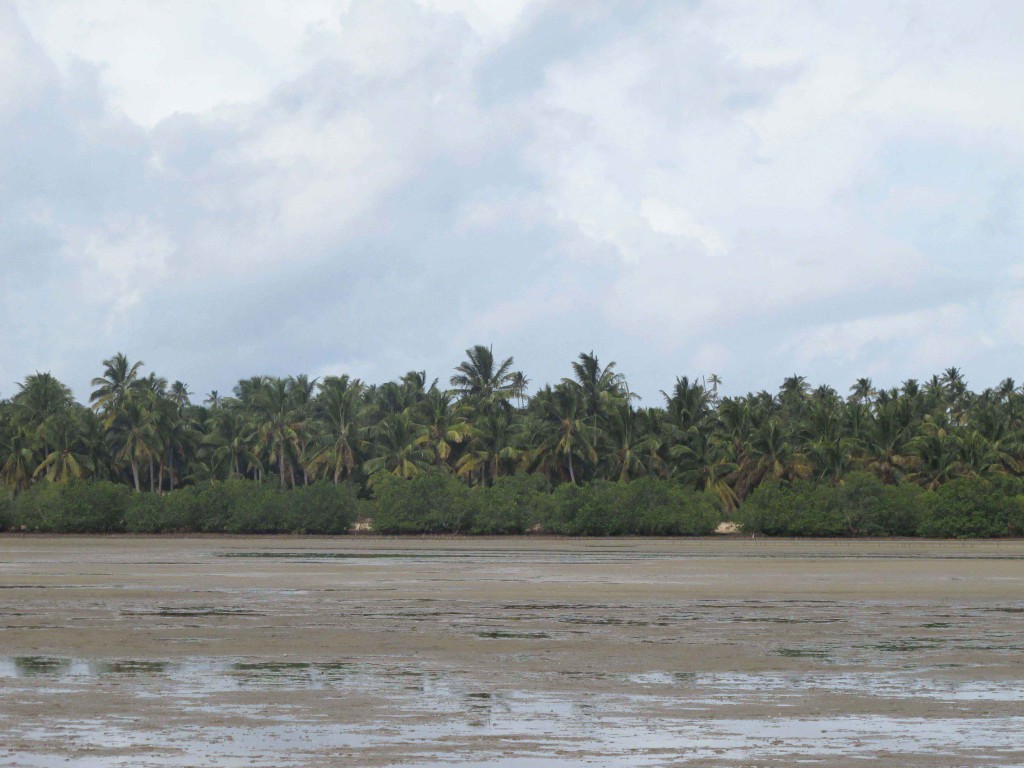
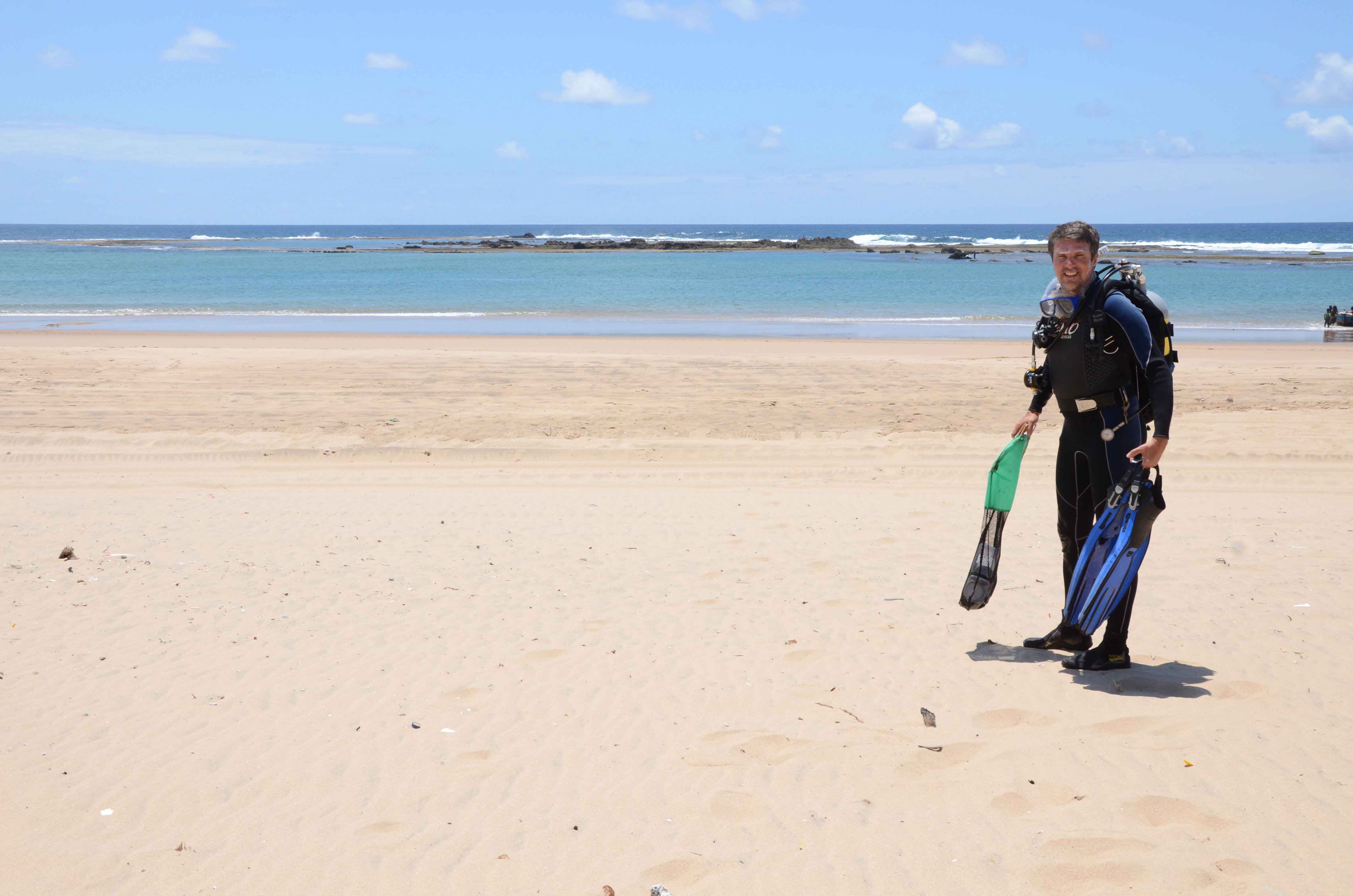
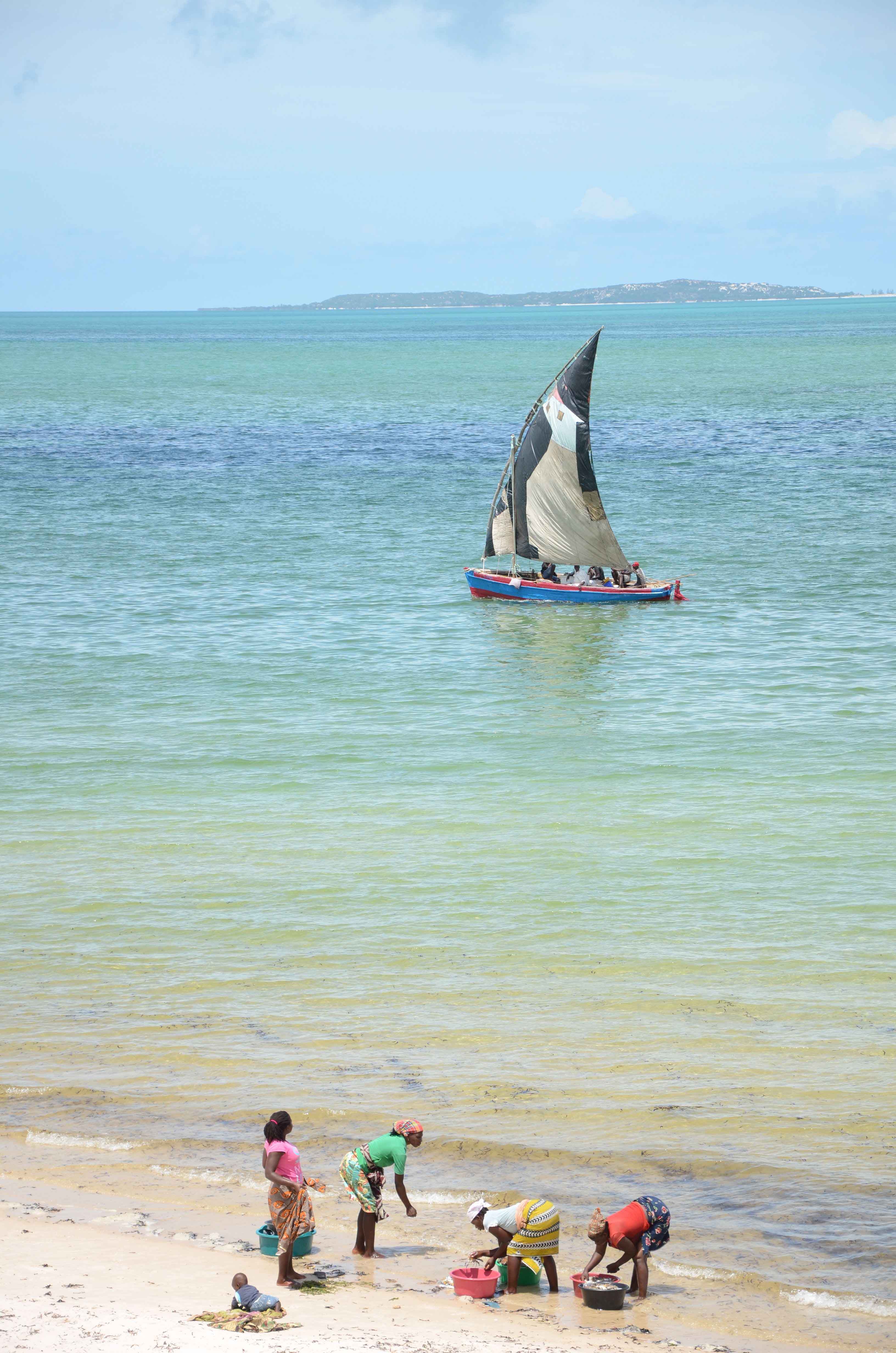
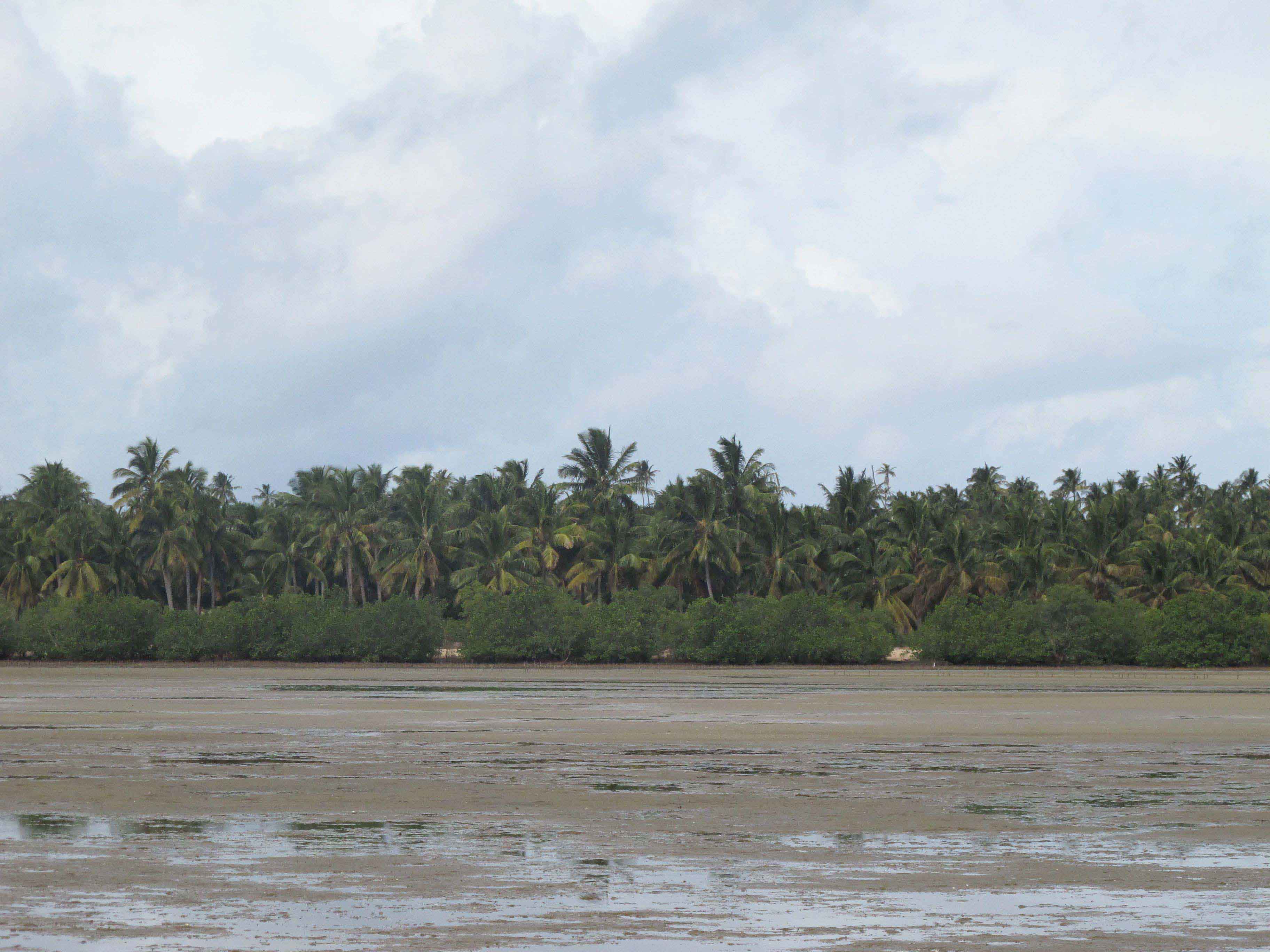
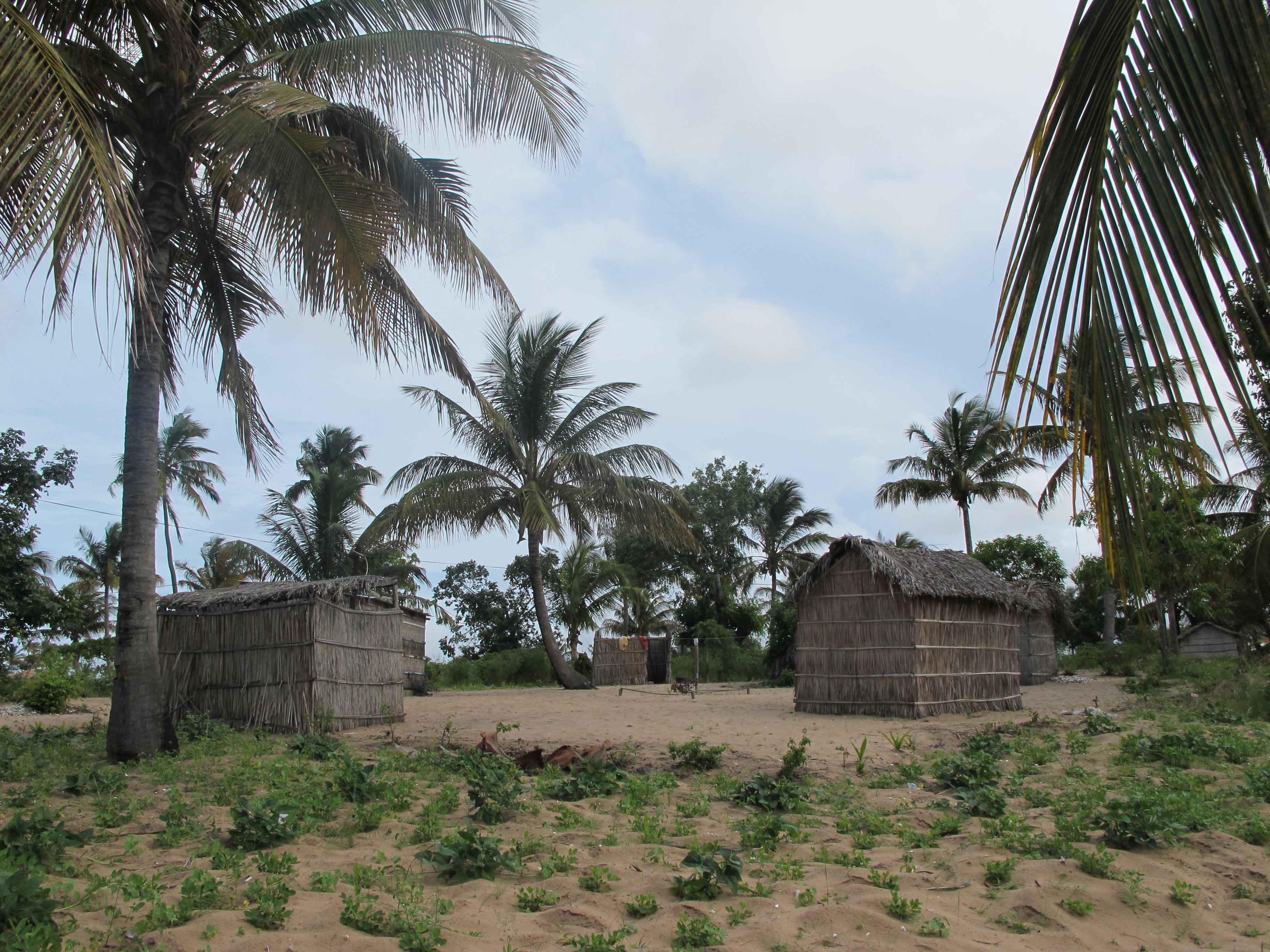
On the 27th January we left the subtropical latitudes and moved into the tropics where we established our base-camp in the town of Vilanculos overlooking the Bazaruto Archipelago Natural Park – a string of six islands surrounded by coral reefs. Regrettably a spiral of bureaucracy and administrative complications made impossible to obtain the necessary collecting permit to sample in the pristine reefs of the Natural Park. Alternative good sampling sites were not that easy to find and the weather conditions also didn’t help much with strong winds and some rain, resulting in a very choppy sea. We decided to move back south one day before scheduled and spend two days in the village of Paindane with great tidal and inshore reefs housing an extraordinary diversity of slugs. Here we sampled both at night- and day-time and was impressive to see the faunal differences between these two periods of the day.
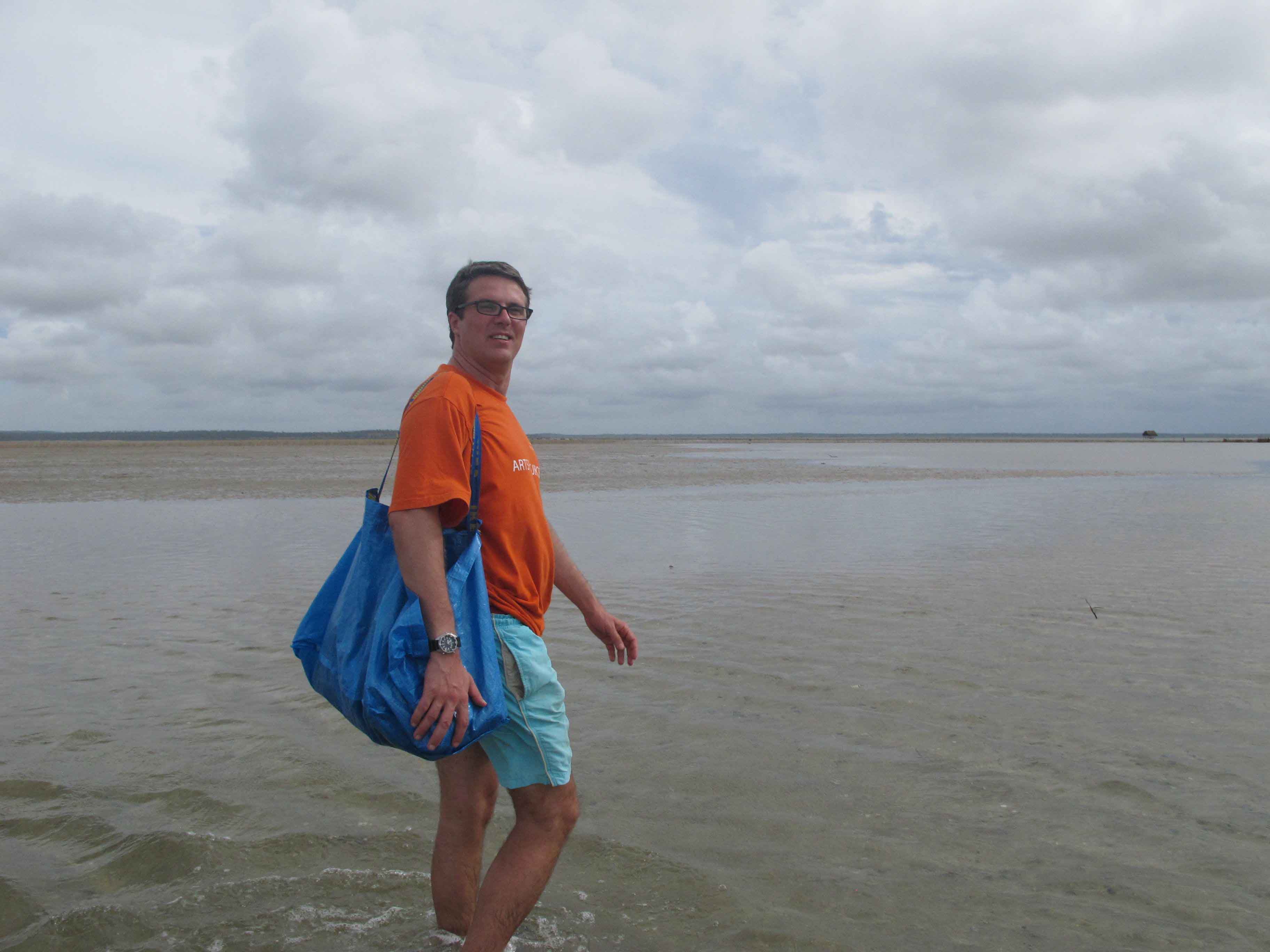
On the 2nd February we travelled back to the village of Zavora where we had meet for the beginning of the campaign. We spend the last three days sampling in Zavora a truly hot spot for marine slugs; the diversity in the tidal and subtidal reefs exceeds anything I have experienced before. My colleagues from the Zavora Marine Lab have already registered the occurrence of nearly 200 species in these reefs and even so we managed to add to the list a few more!
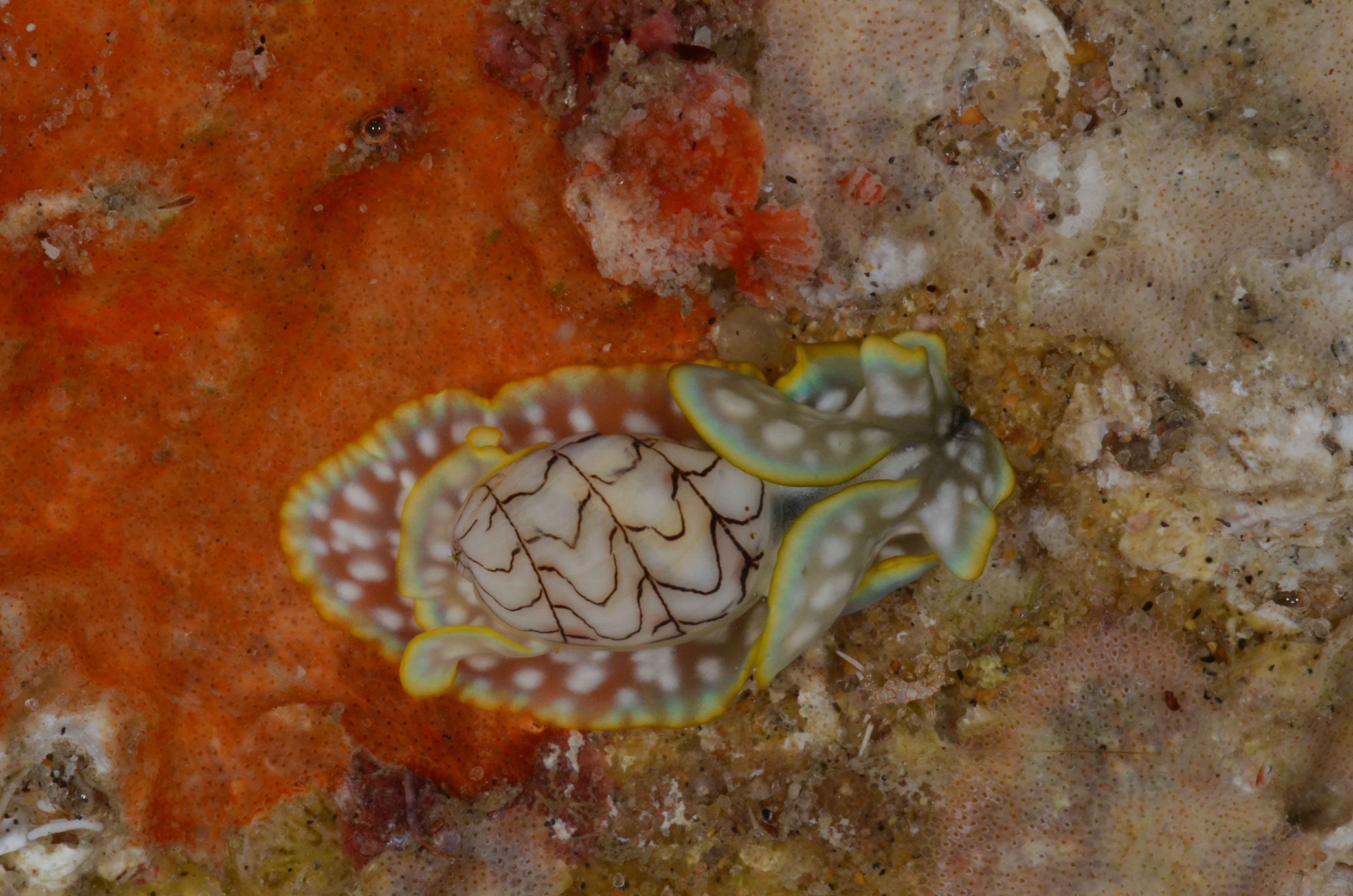
Overall, about 80 species were collected during our fieldtrip but the identification of several of them requires now detailed study and will integrate ongoing projects at the Natural History Museum of Bergen.

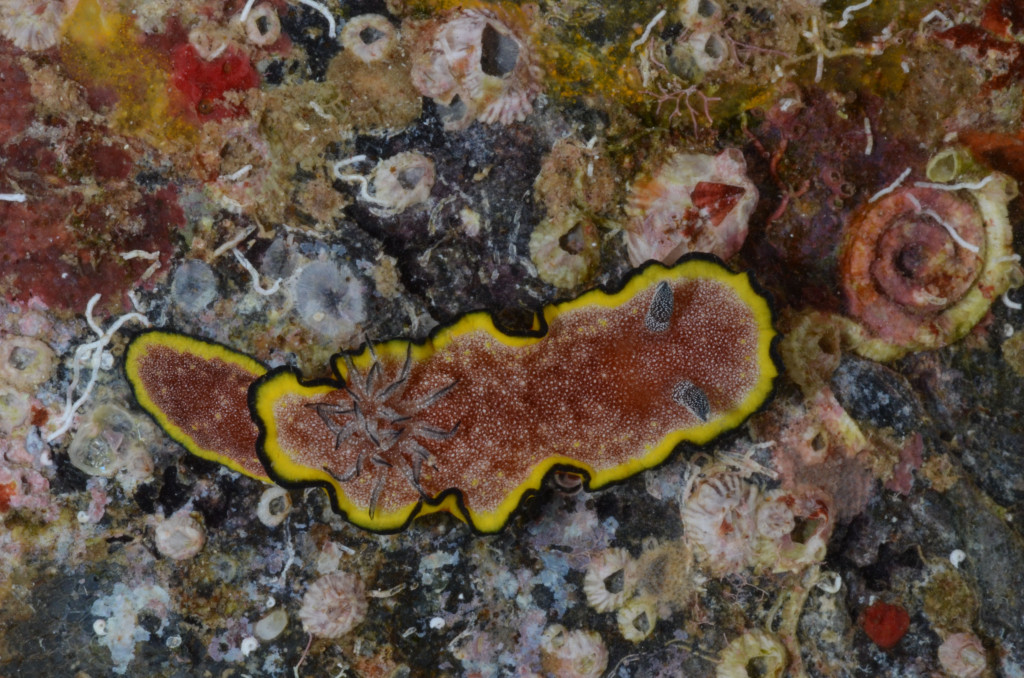
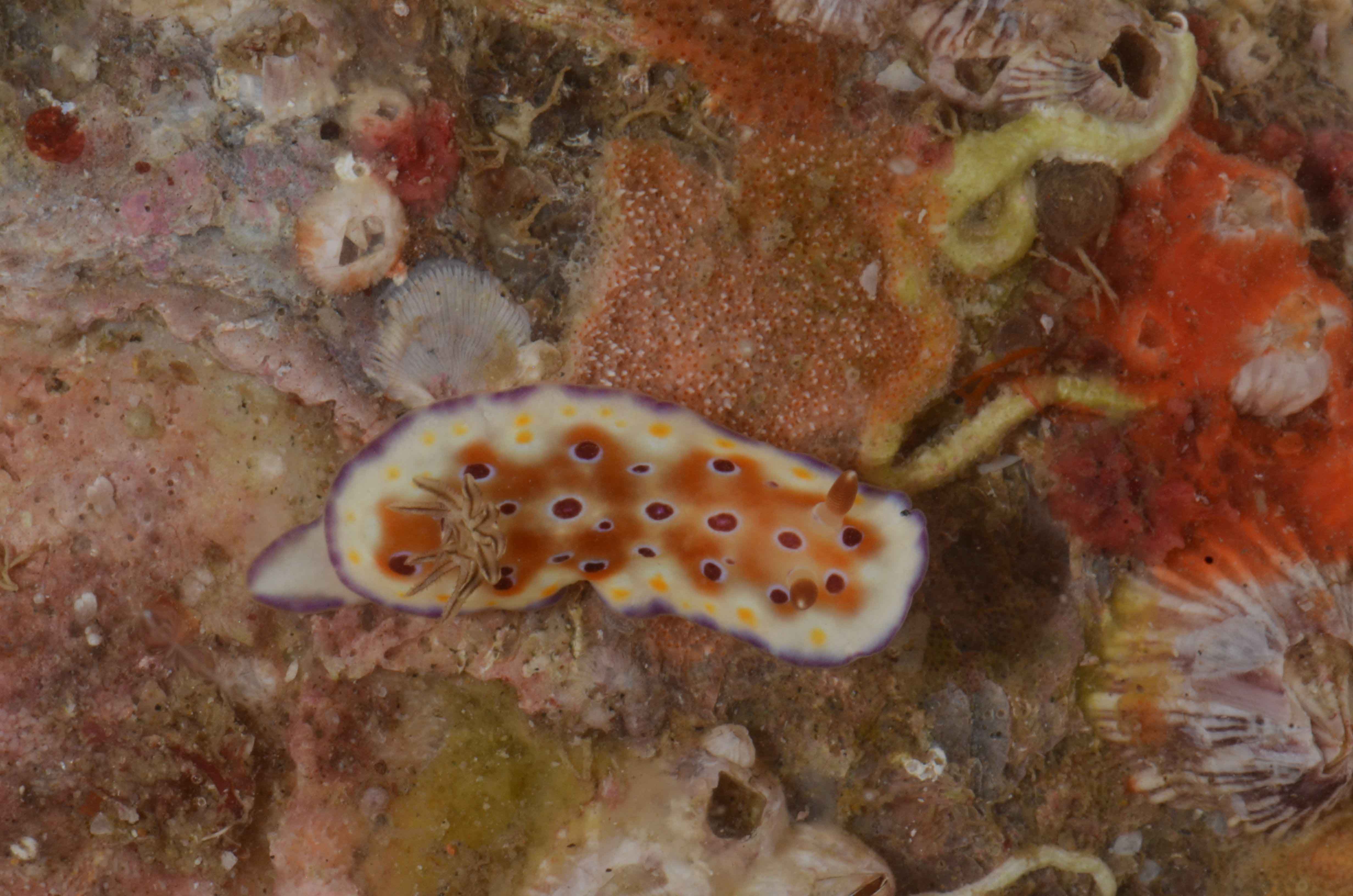
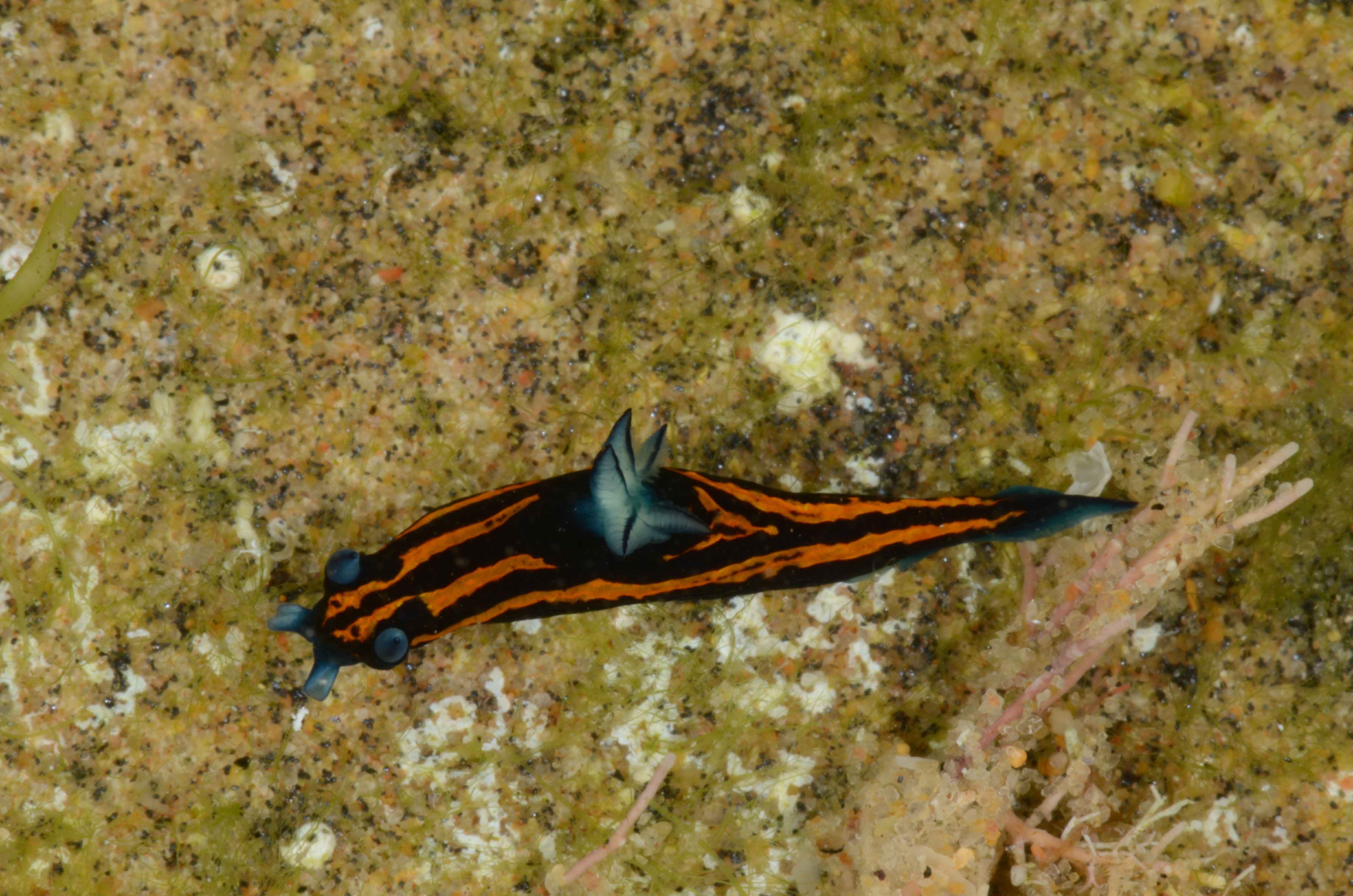
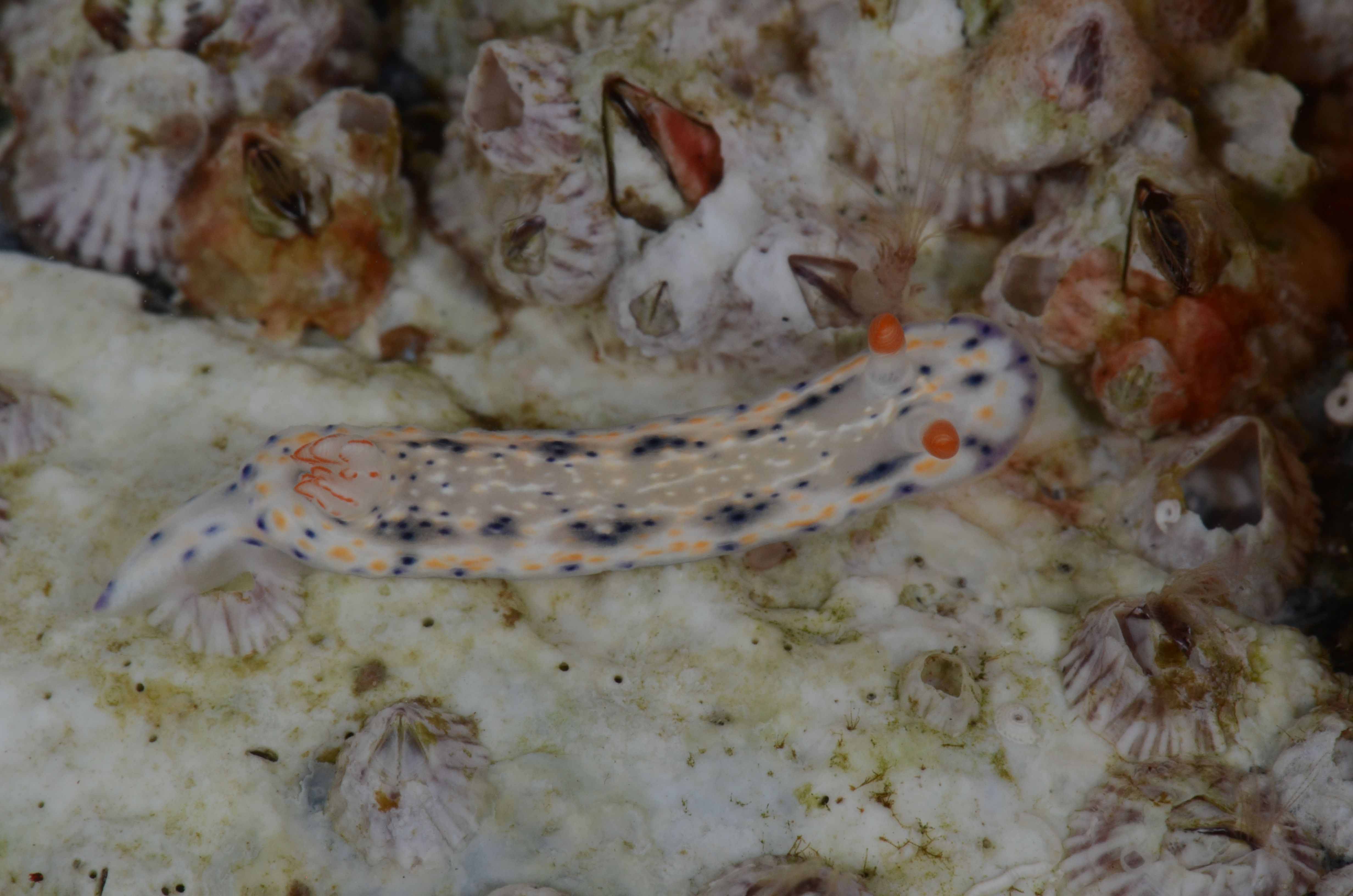
Goniobranchus cf. tinctorius (Vilanculos). This is part of another complex of species in need of systematic study
Fieldtrip to Mozambique – collecting sea slugs in the most diverse marine biota of the World
The tropical Indo-West Pacific harbours the highest diversity of marine life in the World with many species still undescribed. In the region, the eastern coast of Africa is one of the less studied areas and few opisthobranchs gastropods have been recorded in Mozambique with a coastline of 2,700 km stretching across sub-tropical and tropical latitudes.
Together with colleagues from the Zavora Marine Lab (Mozambique) I will be surveying the southern part of Mozambique between the village of Zavora – approximately 500 km north of the border with South Africa – and the tropical archipelago of Bazaruto. This 3-weeks fieldtrip (16 Jan–6 Feb) is part of an effort to document the diversity of opisthobranchs at a global scale and to understand the biogeography and speciation patterns of these molluscs.
After a couple of initial days in Zavora we headed north to the region of Inhambane, famous for its aggregations of manta rays and whale sharks where we spent about a week sampling for the far most spectacular sea slugs!
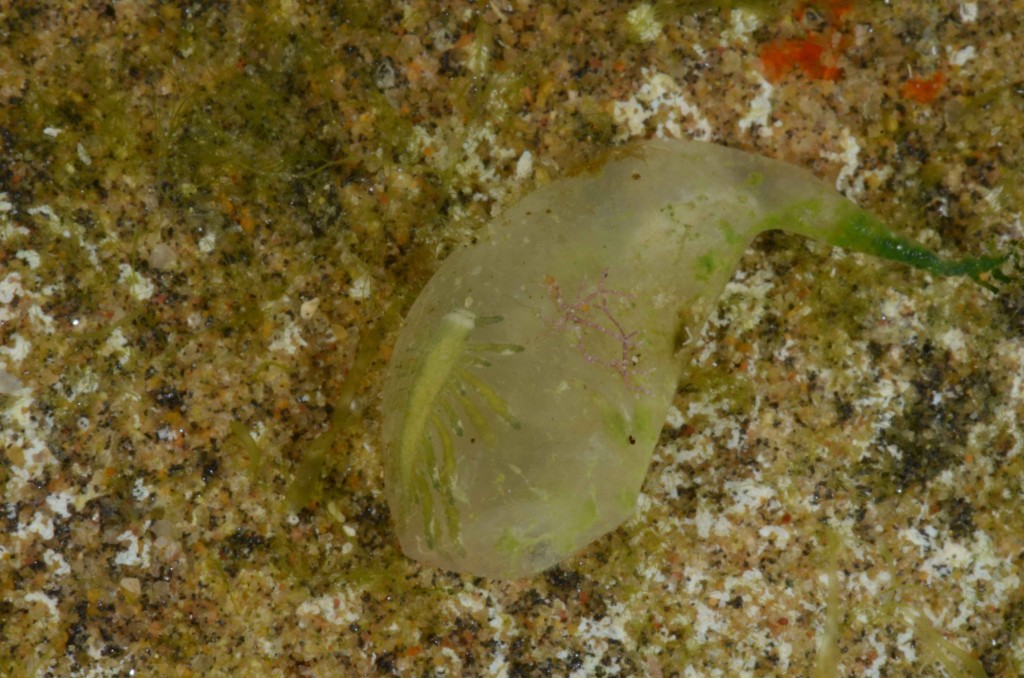
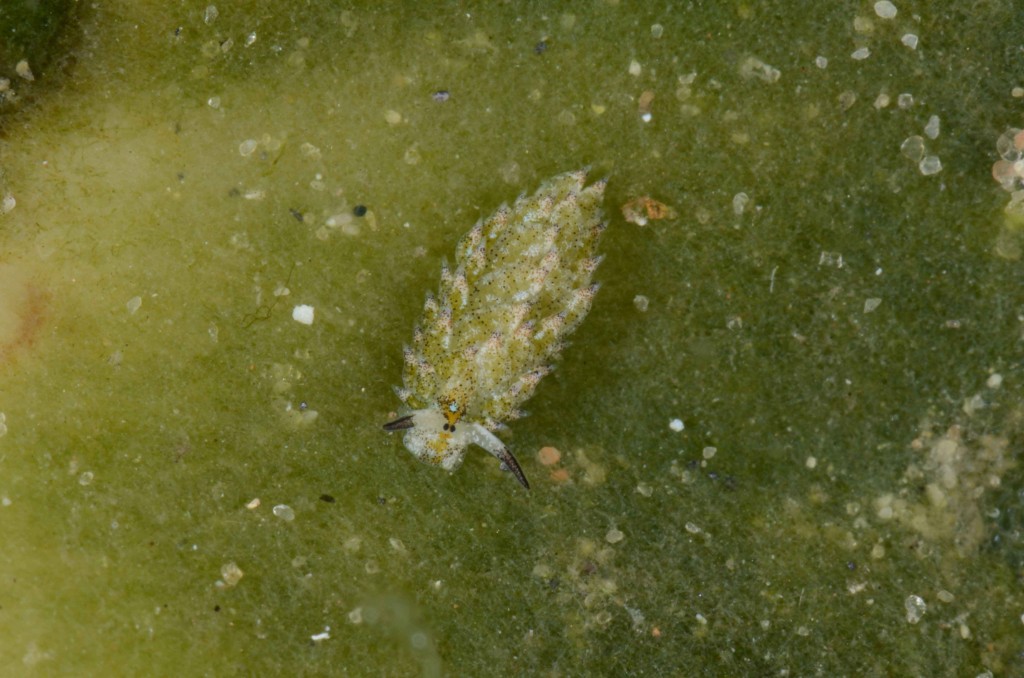
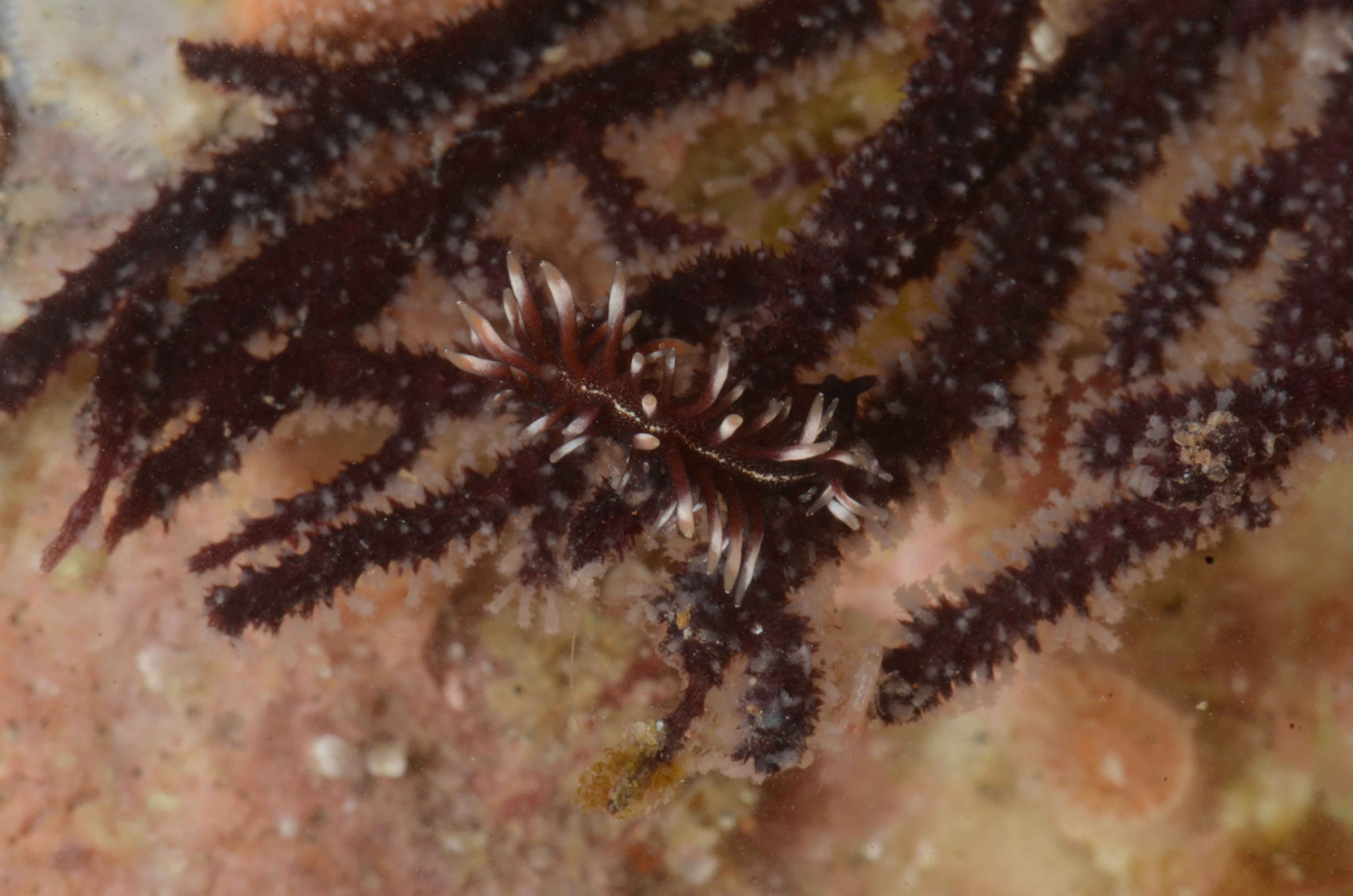
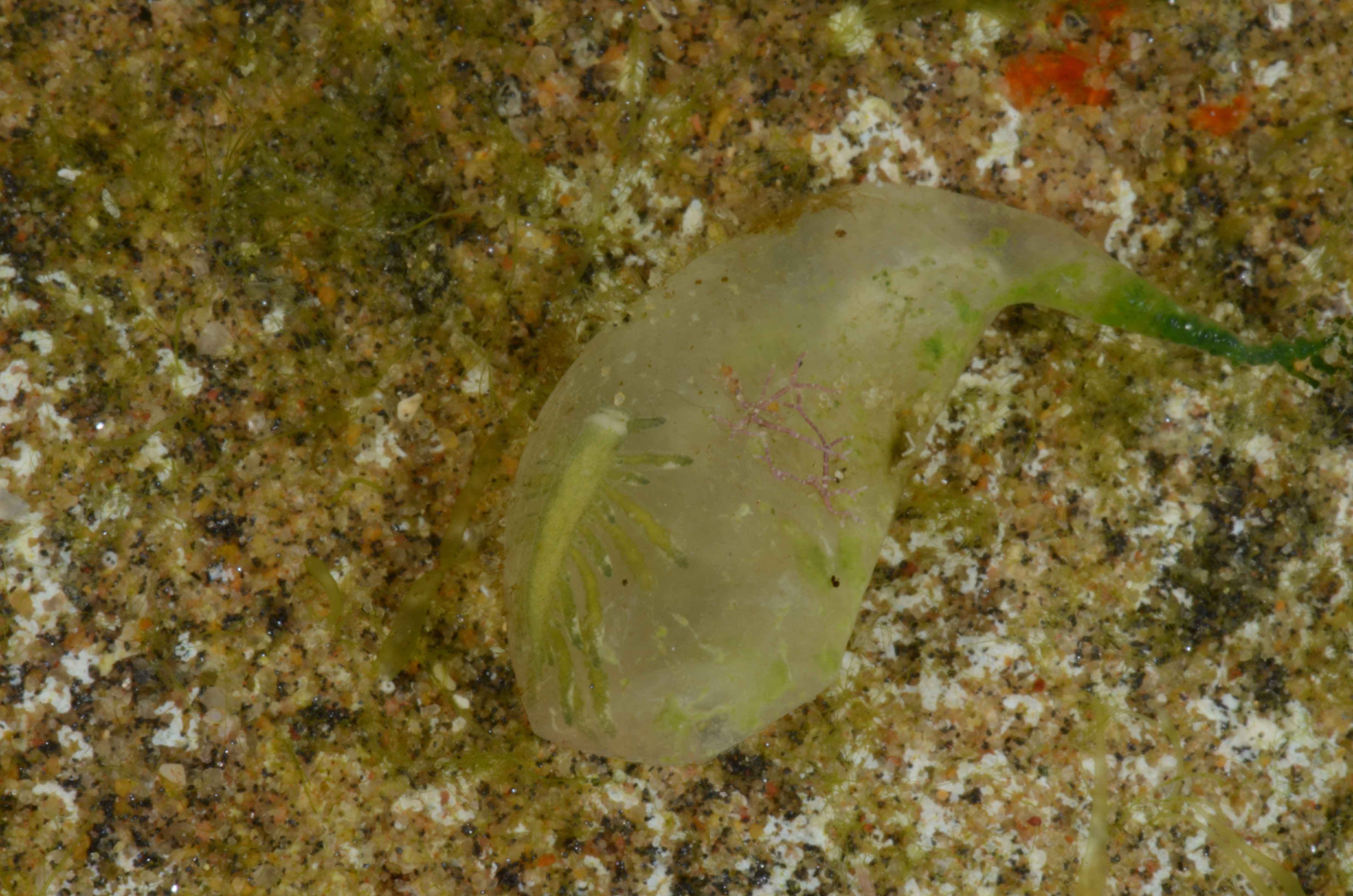
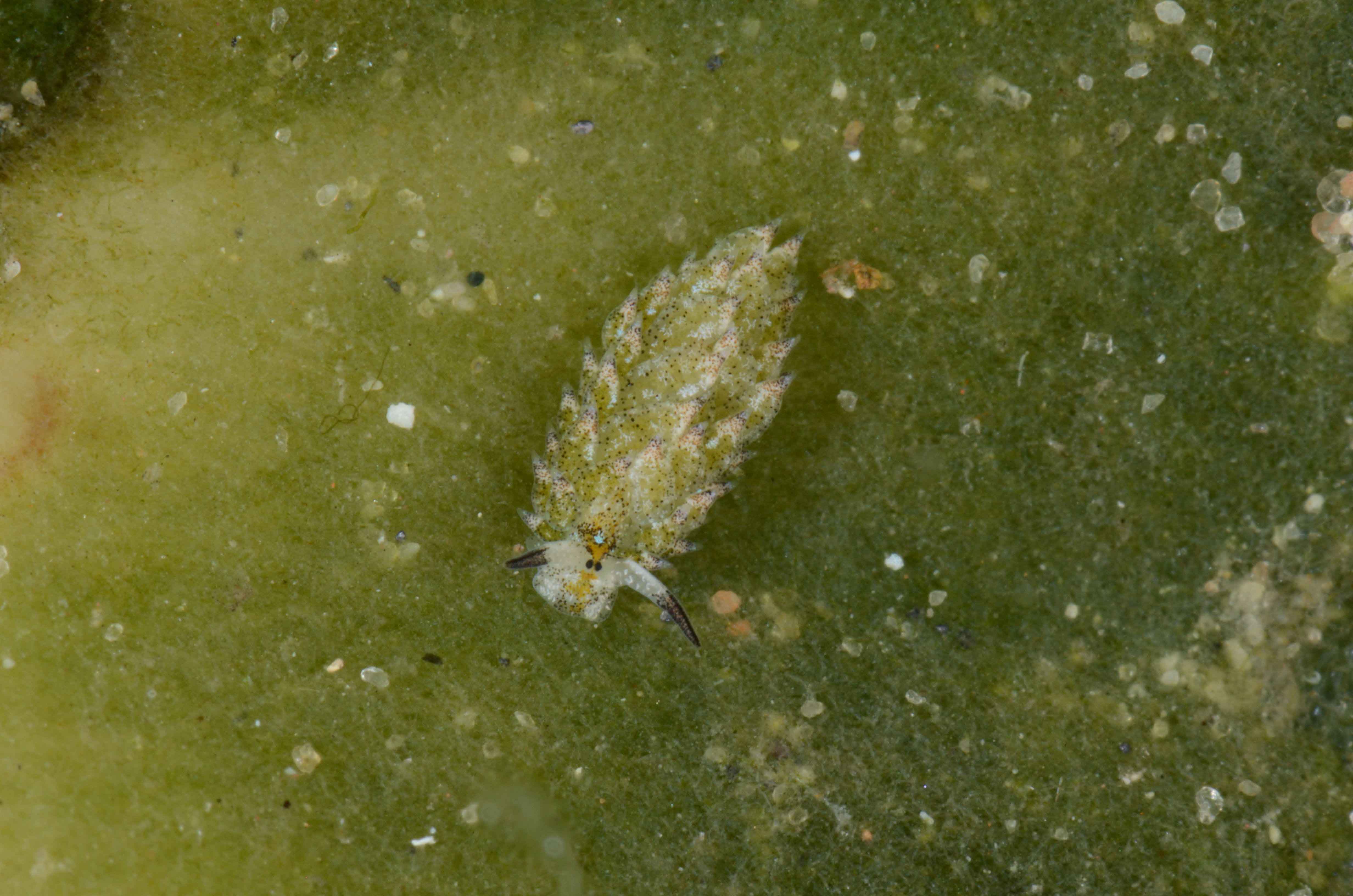
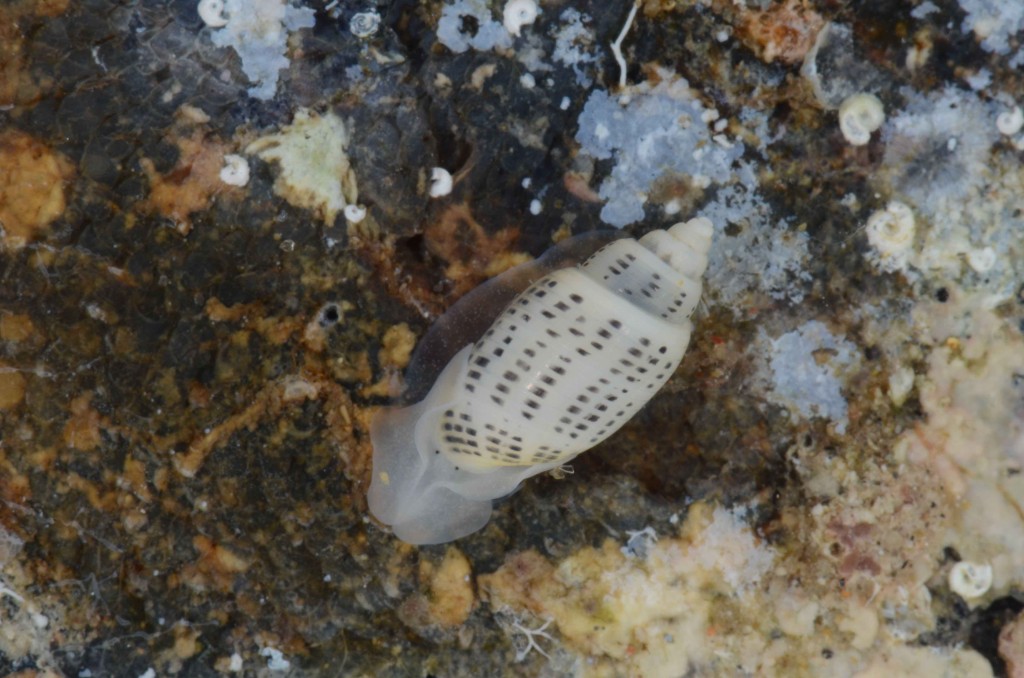
A species of sacoglossan (Placida sp.) found inside the “bubble” algae Valonia sp where it lives and feeds from.
Stats!
We’re nearing the end of the year (!), and ’tis the season for evaluations.
I have looked into how our three blogs (namely the Norwegian and English version of the collections blog, and our blog on the project on marine fauna of western Africa (MIWA)) have fared.
The collection blogs began in April this year, the MIWA blog went live in June.
People have shown much interest in our doings, here are the stats:
We thank all of our readers for the attention, and hope you have enjoyed your glimpse into the collection work. We hope to “see” you again in the new year!
For now, we wish you all a