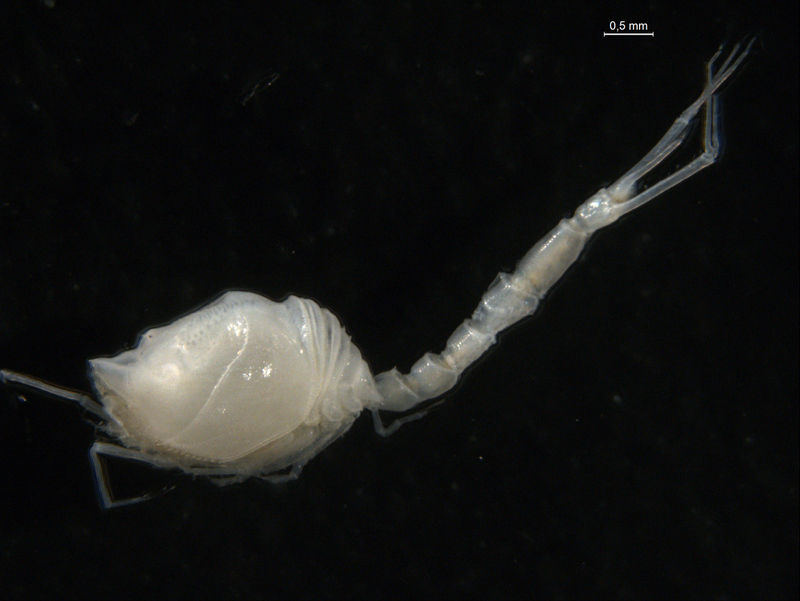
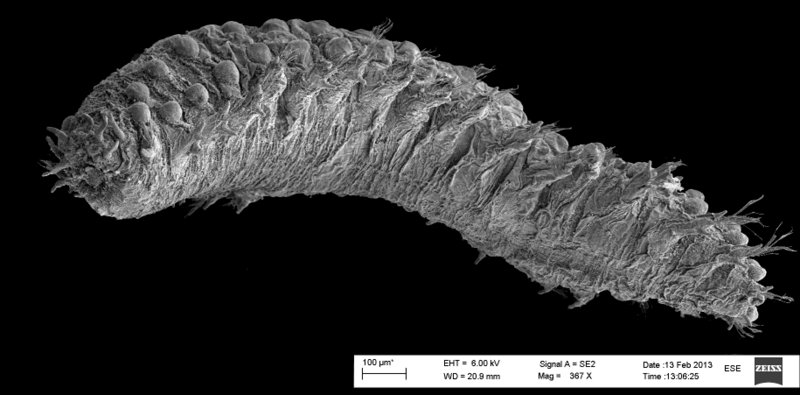
The Invertebrate Collections is one of the University Museum’s large collections of scientific zoological material. “Invertebrates” is a traditional grouping for animals without a backbone. At our museum, like in many other scientific collections, invertebrates is the remaining part of the animal kingdom when vertebrates, insects, spiders and millipedes (entomology) have been accounted for. Invertebrates therefore is a diverse group of very different animals with often spectacular ways of life in many types of environments. We still know very little about many species of invertebrates because they are difficult to study and identify. Many species are also still undiscovered. Scientific collections are fundamental sources of knowledge about our zoological diversity. On these pages we want to inform about the contents of the collections and about past and current activities.
If you are interested in doing your master degree in marine biodiversity or adjacent topics at the University Museum of Bergen, we have a blog with currently available thesis topics in marine biodiversity which can be found here.
Our permanent web pages can be found here
For norsk versjon av bloggen, klikk her
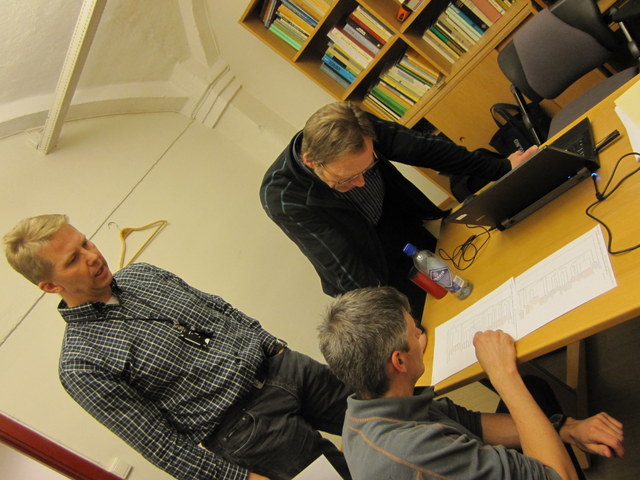
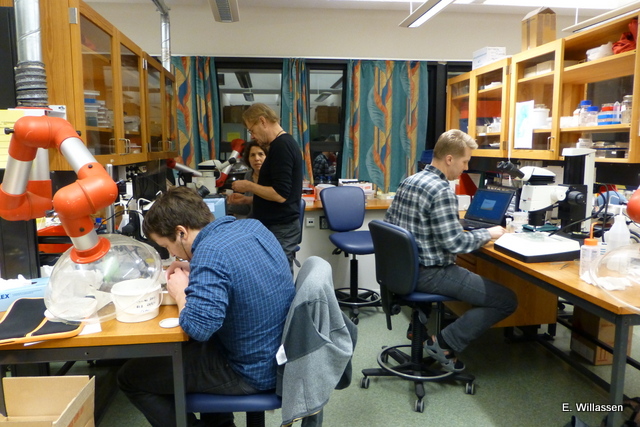
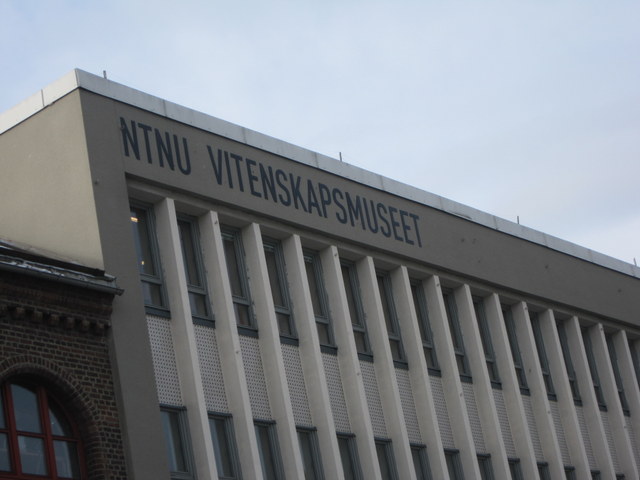 Earlier this week we went to the Museum of Natural History and Archaeology in Trondheim (NTNU) to initiate the new project “Polychaete diversity in the Norwegian Sea – from coast to the deep sea” (PolyNor). The project is funded through the NBIC, and will run through 2015.