Author Archives: Katrine

Manet Team joins the Jellyfish Blooms Symposium in Ireland

Every three to four years, jellyfish researchers from around the world come together for some serious fun: the International Jellyfish Blooms Symposium.

The event is one of a kind and a great opportunity to reconnect with old friends, meet new colleagues, and share the latest discoveries about our favourite marine invertebrates. This year, the 8th International Jellyfish Blooms Symposium took place in Cork, Ireland, where the Manet Team from the University Museum of Bergen presented some of our latest findings and exchanged ideas with a fantastic international community of jellyfish researchers.

Over several days of talks, posters and discussions, the symposium covered many aspects of gelatinous zooplankton research; from their fascinating life cycles and biodiversity to their roles in marine ecosystems and responses to our changing oceans. The programme also showcased how new molecular, technological and modelling approaches are changing the way we study these often elusive animals. Most importantly, the meeting provided a unique space to exchange ideas, build new collaborations and discuss where jellyfish research should go next.
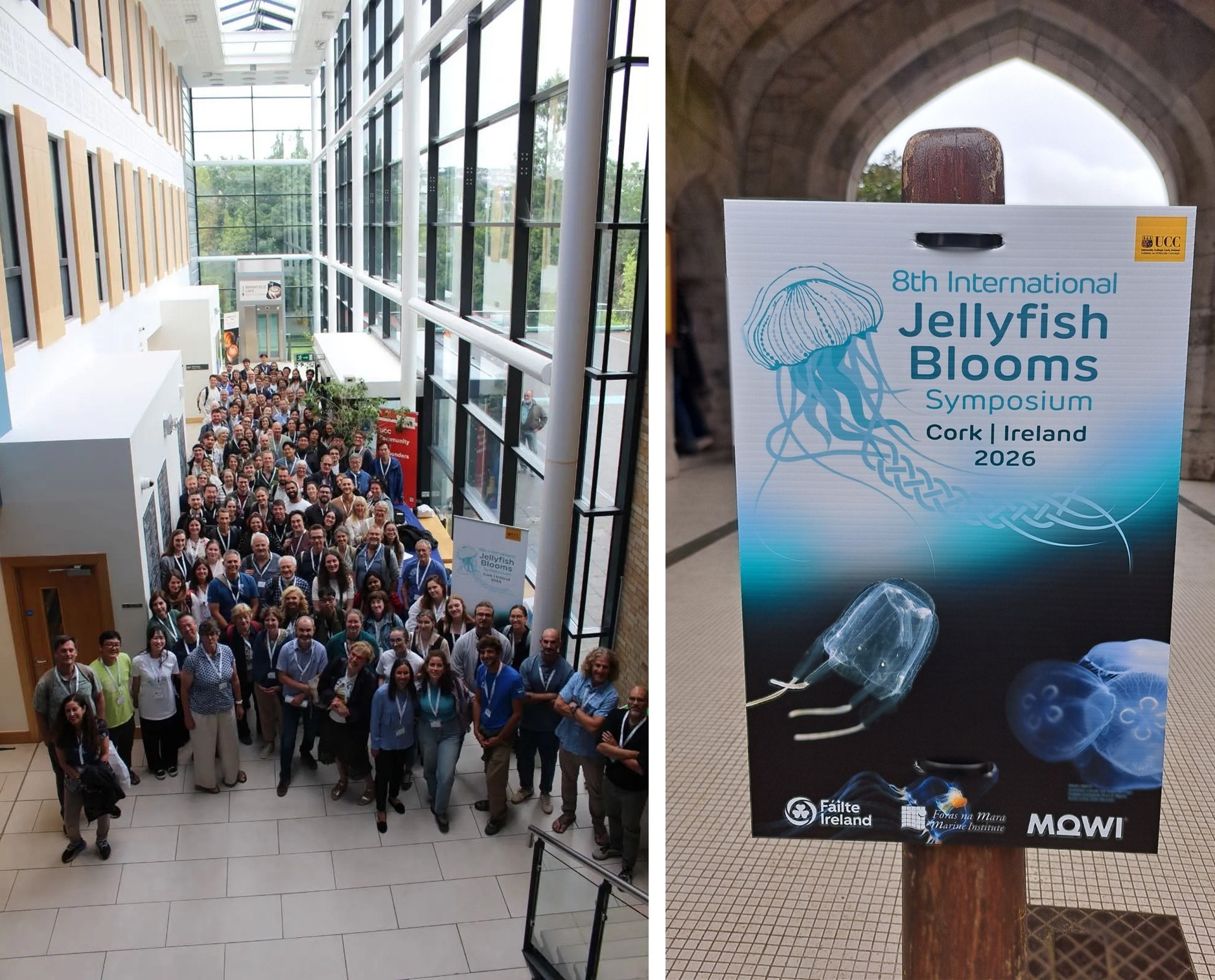
About 100 people in a group photo taken in an atrium, and a picture of the conference poster, which has different jellyfish on it
Group picture and poster of the 8th International Jellyfish Blooms Symposium. Group picture by Enzo C. Morandini

Aino opened the second day of the conference with a fantastic keynote talk on the limitations of sanger sequencing and available reference databases. Challenges we will be working on during our new Artsdatabanken project CHANGEZ. She also shared the work we’ve done over the last decade and the exciting future endeavors we are embarking on.
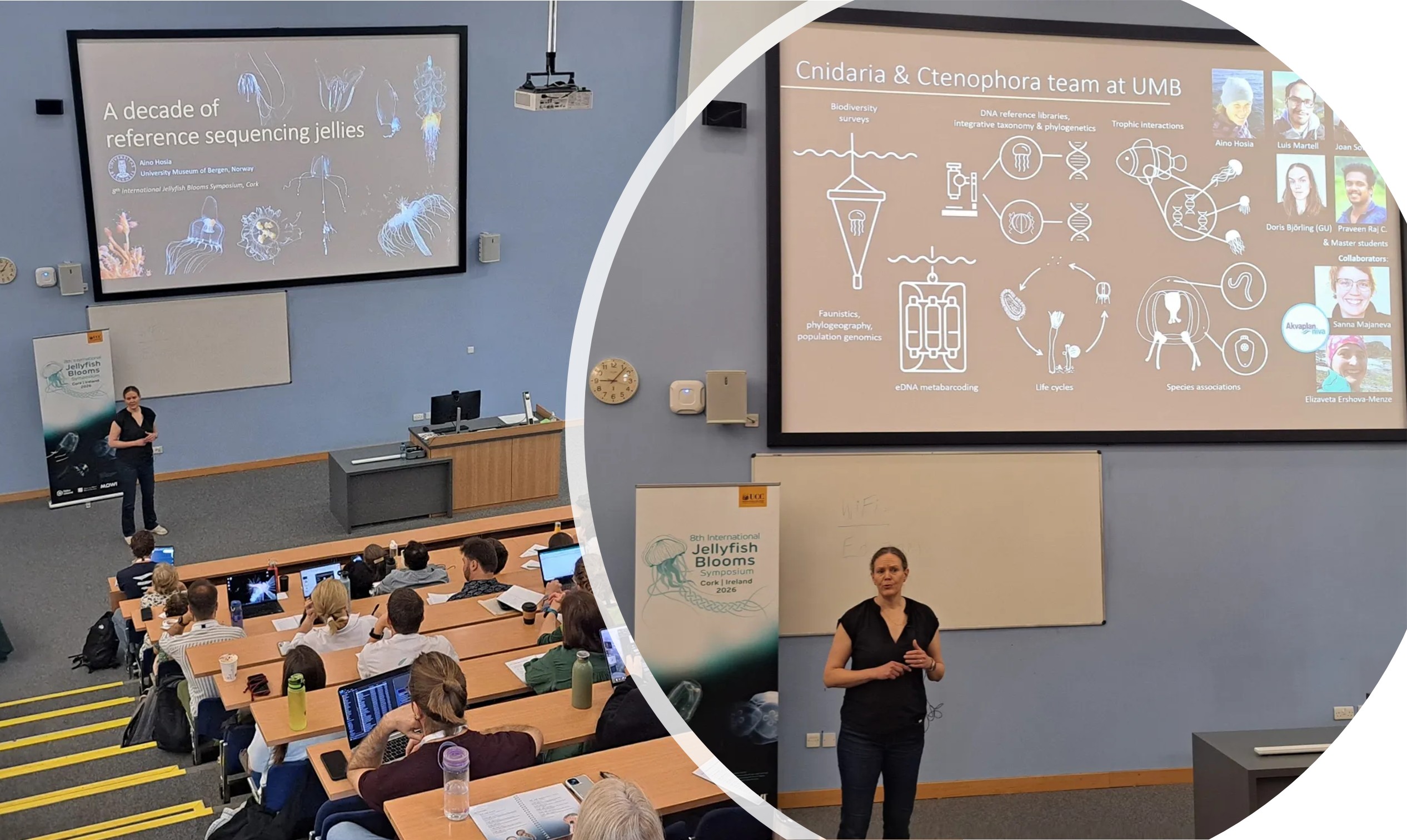
Two images of a female professor presenting a talk in the auditorium
Aino during her plenary talk: A decade of reference sequencing jellyfish.

Joan shared his latest findings on a group of substantially understudied hydromedusae and how crucial it is to integrate both life cycle stages if we aim to understand their phylogenetic relationships and distribution.
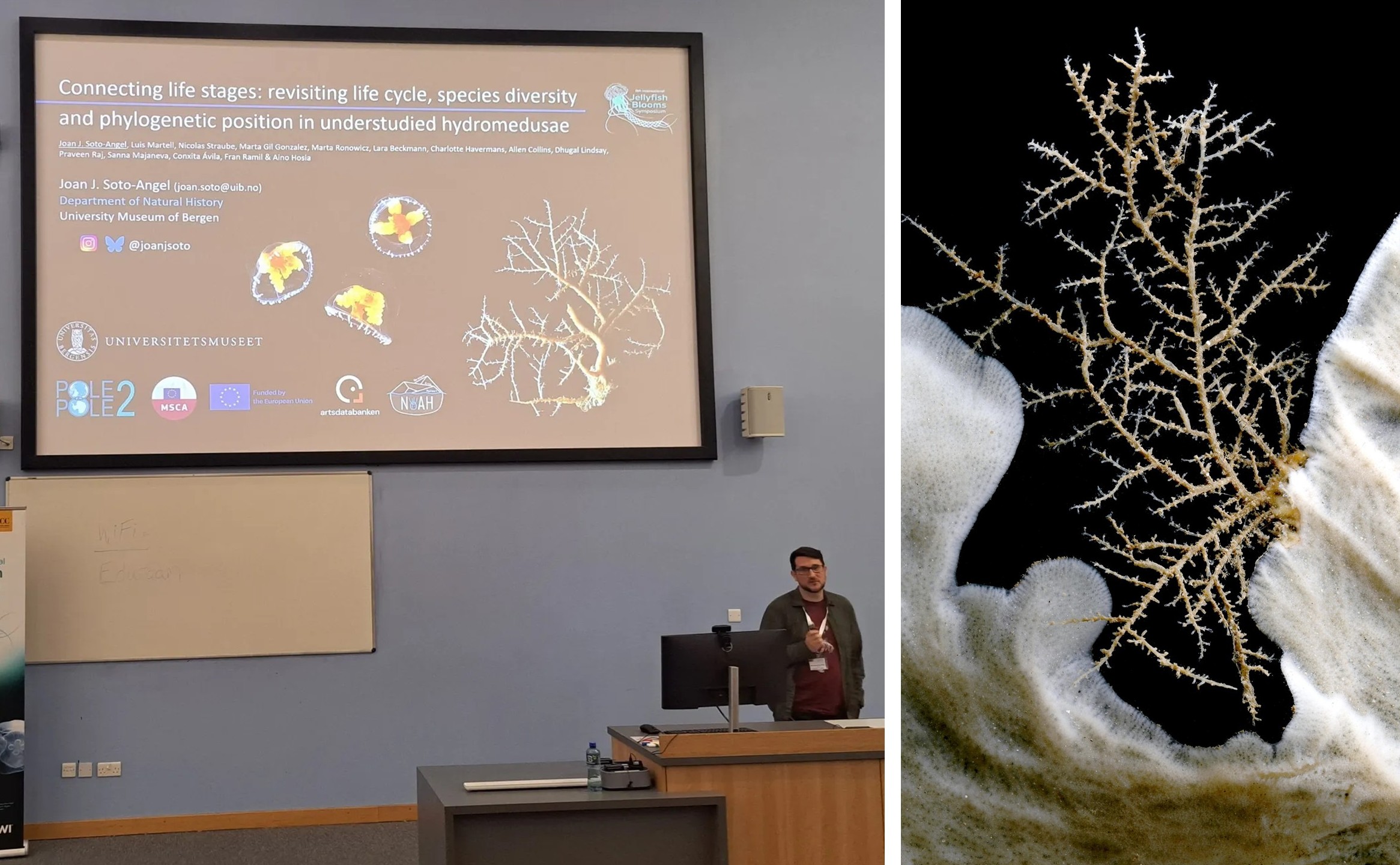
A man giving a lecture (title on slide: “Connecting life stages: revisiting life cycle, species diversity and phylogenetic position in understudied hydromedusae”. ) and a photo of a branching marine invertebrate growing on a sponge
Joan during his talk “Connecting life stages: revisiting life cycle, species diversity and phylogenetic position in understudied hydromedusae”.

Praveen focused on his results on bipolarity in calycophoran syphonophores, as part of the MSCA H2020 project POLE2POLE, funded by the European Commission.
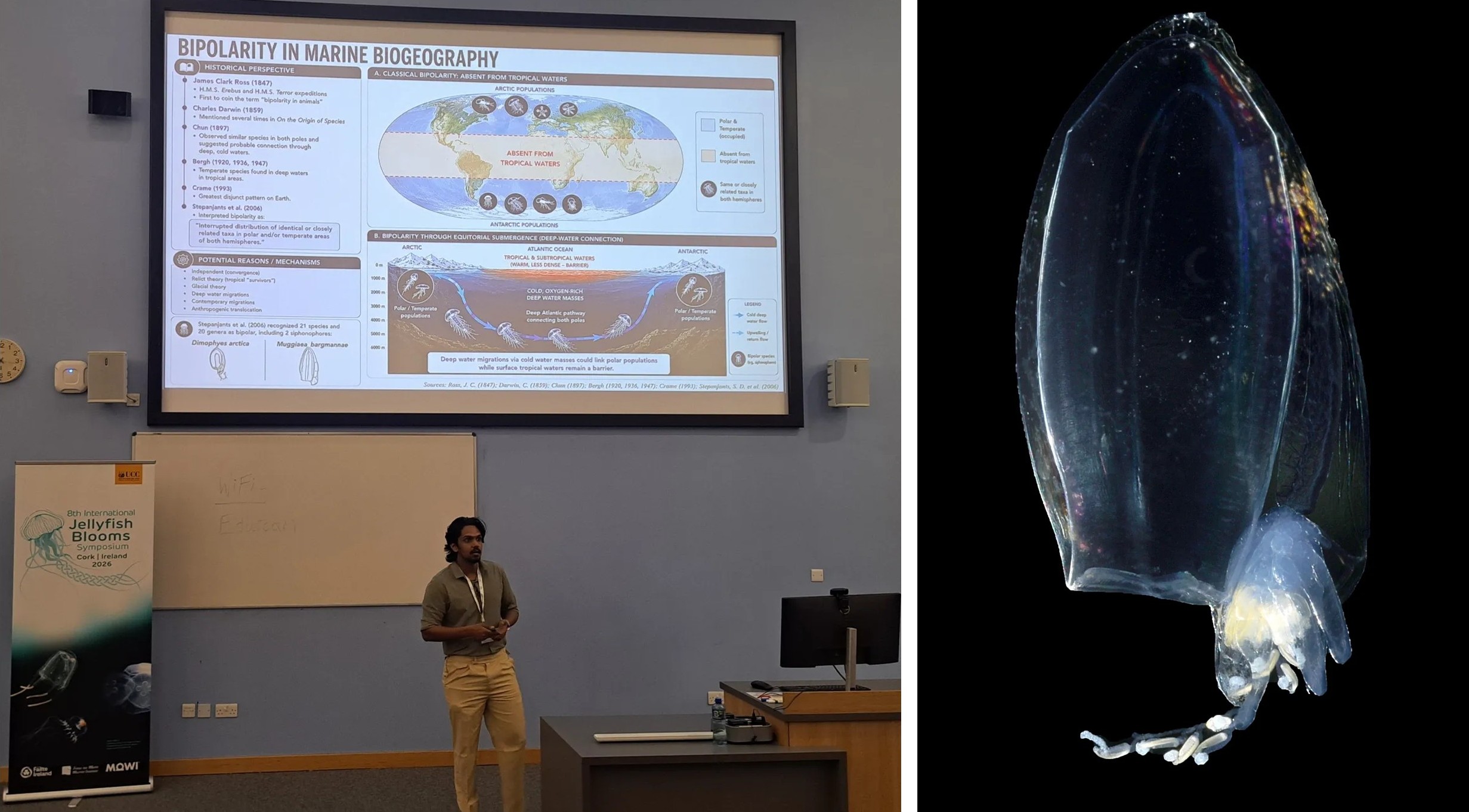
A man giving a presentation in front of an auditorium, and photo of a siphonophore, a jelly-like animal
Praveen presenting exciting results of his PhD thesis working on bipolarity in Dimophyes arctica.

Erlend explained how to properly identify pelagic hydrozoans affecting aquaculture in NE Atlantic. You can check out our ID guide here: https://zenodo.org/records/17303147 (link)
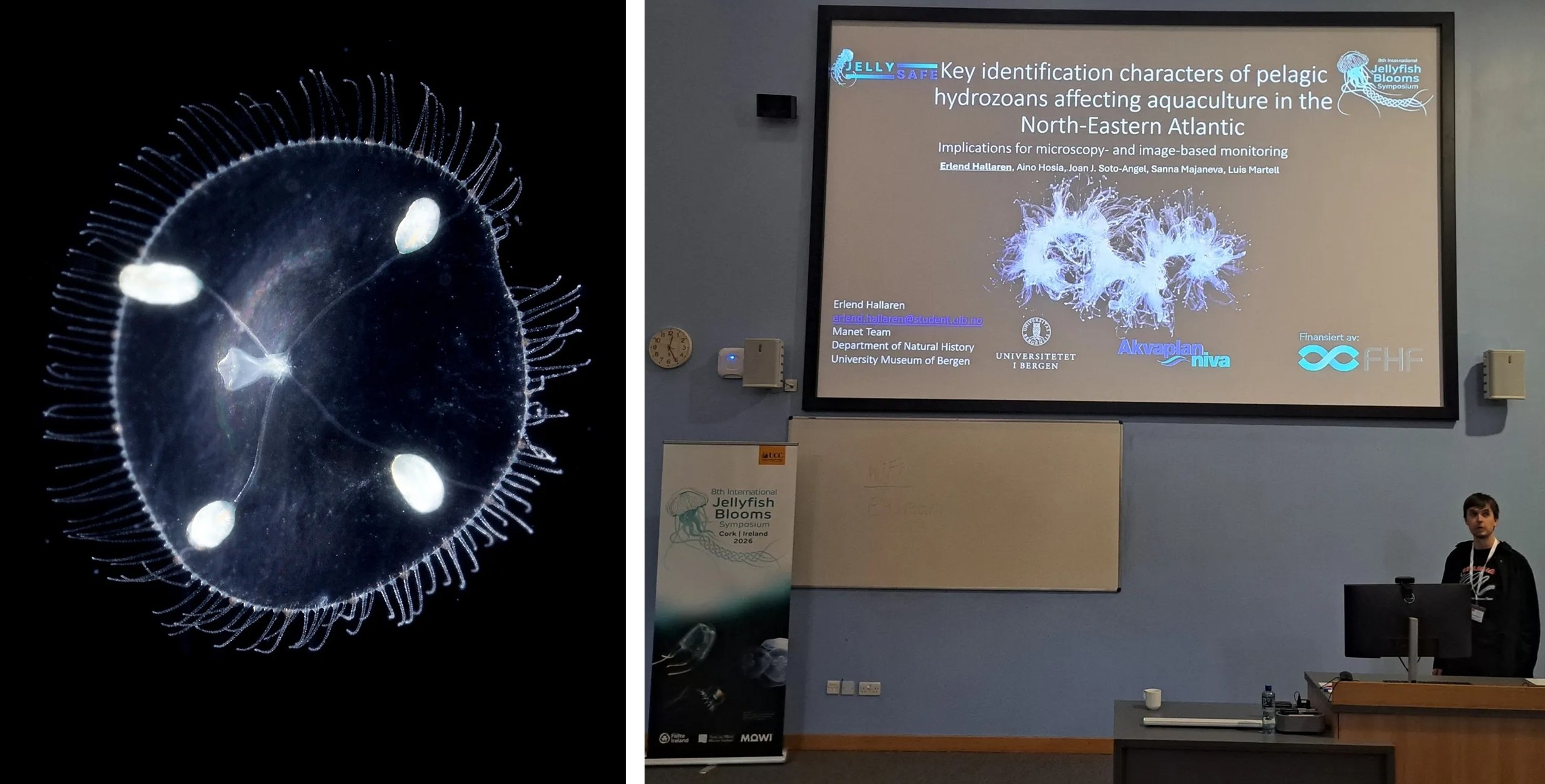
A small jellyfish with four prominent white spots against a black background, and a man giving a presentation titled “Key identification characters of pelagic hydrozoans affecting aquaculture in the North-Eastern Atlantic."
Erlend during his talk titled “Key identification characters of pelagic hydrozoans affecting aquaculture in the North-Eastern Atlantic.

Luis presented the project JellySafe, funded by FHF – Norwegian Seafood Research Fund, and the extent of the Apolemia uvaria (and other jellyfish) outbreaks for the last two decades.
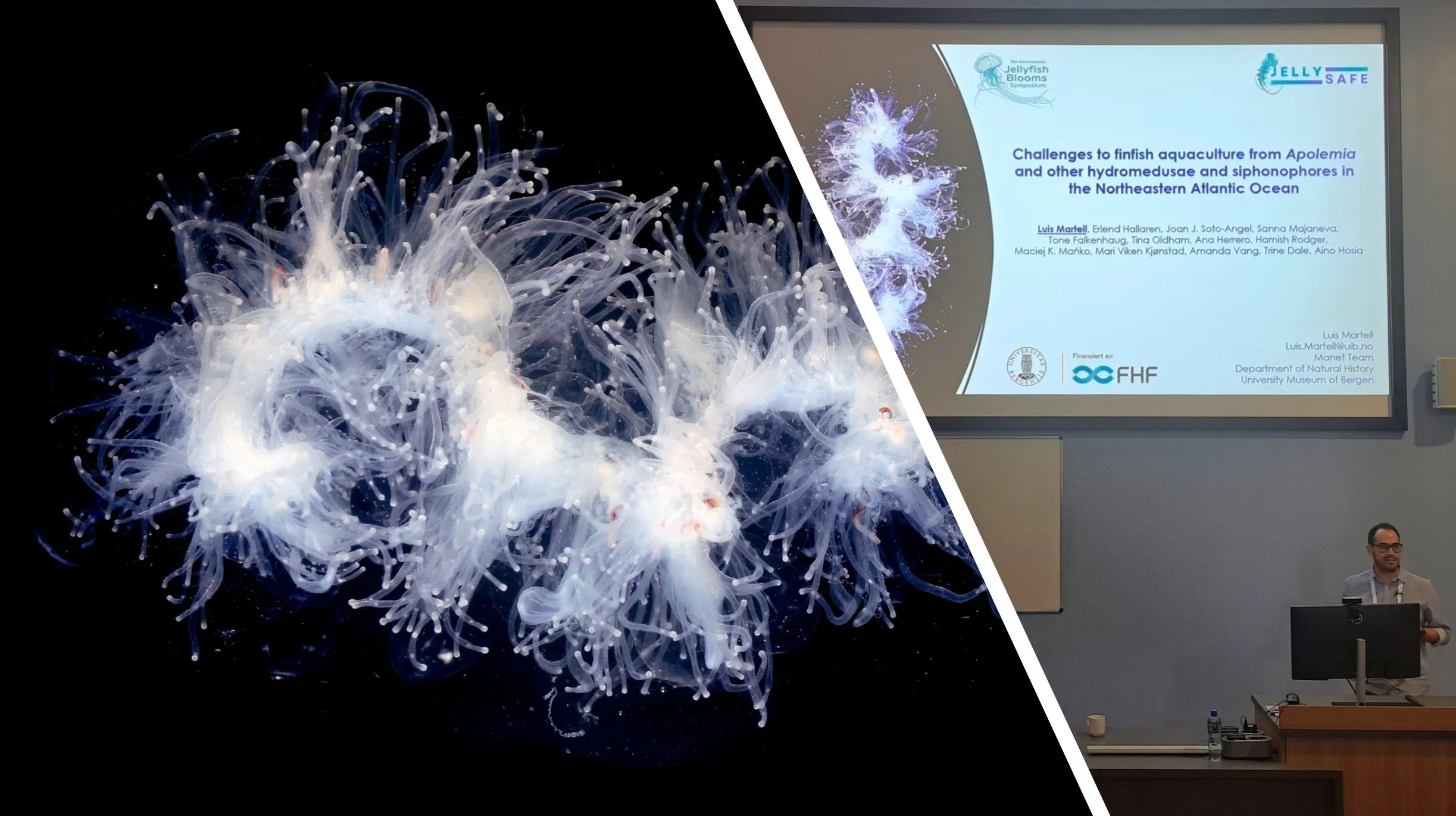
Two images, first is of what looks like a fluffy white mop, but is in fact a jellyfish - the other is of Lusi presenting his research project.
Luis presenting “Challenges to finfish aquaculture from Apolemia and other hydromedusae and siphonophores in the Northeastern Atlantic Ocean”

Doris shared how little we still know about the true diversity of tubulariid hydroids, despite being widely widespread and negatively impact aquaculture.
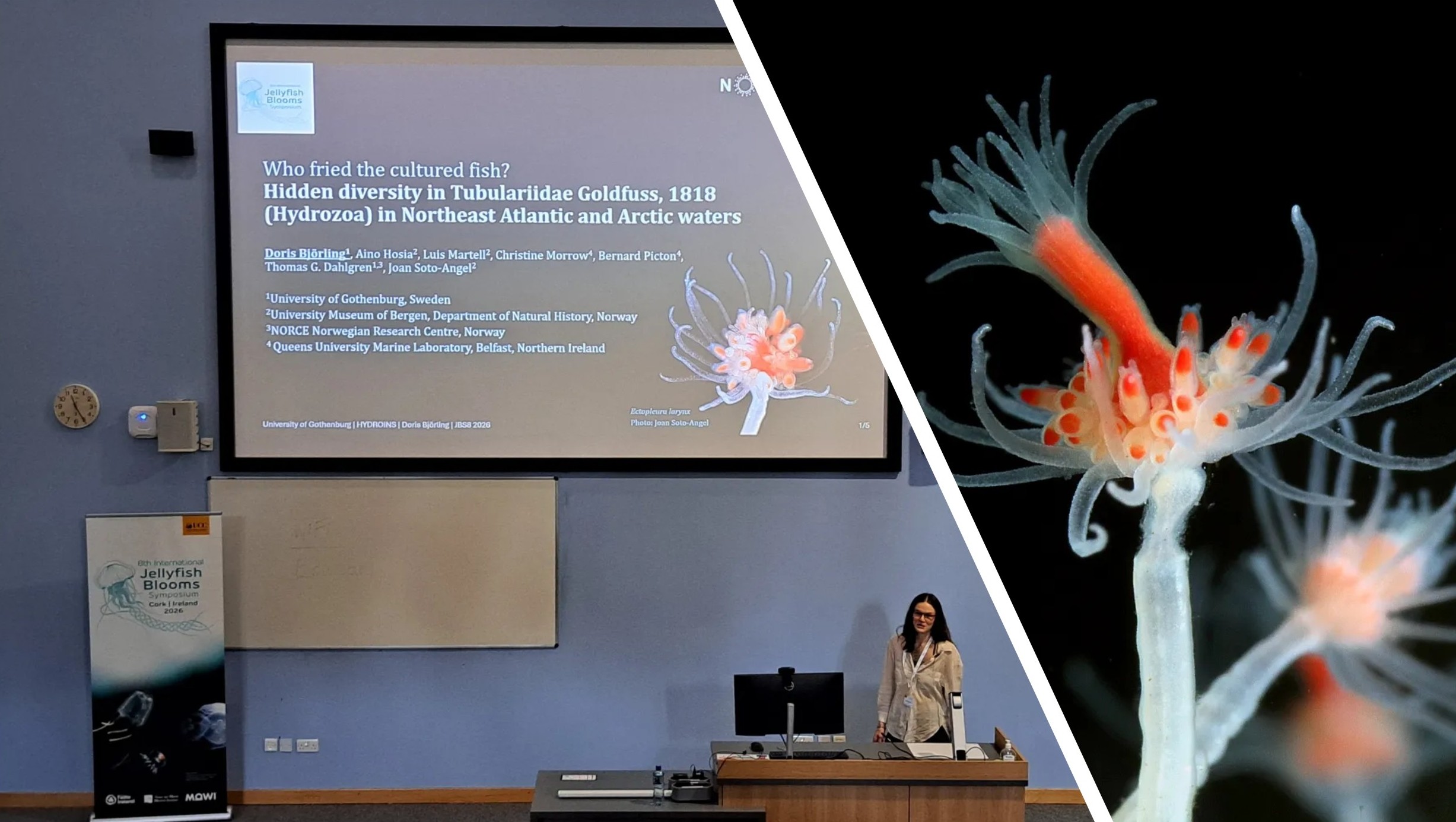
Doris during her talk on “Hidden diversity in Tubulariidae Goldfuss, 1818 (Hydrozoa) in the Northeast Atlantic and Arctic waters, and a photo of said Turbulariids, which are small, flower like animals in white and bright orange.
Doris during her talk on “Hidden diversity in Tubulariidae Goldfuss, 1818 (Hydrozoa) in the Northeast Atlantic and Arctic waters.

Besides the scientific programme of the conference, we also joined a Pint of Science outreach event promoted by the symposium’s organizing committee, where Joan gave a talk exploring the curious and often surprising lives of these fascinating animals.
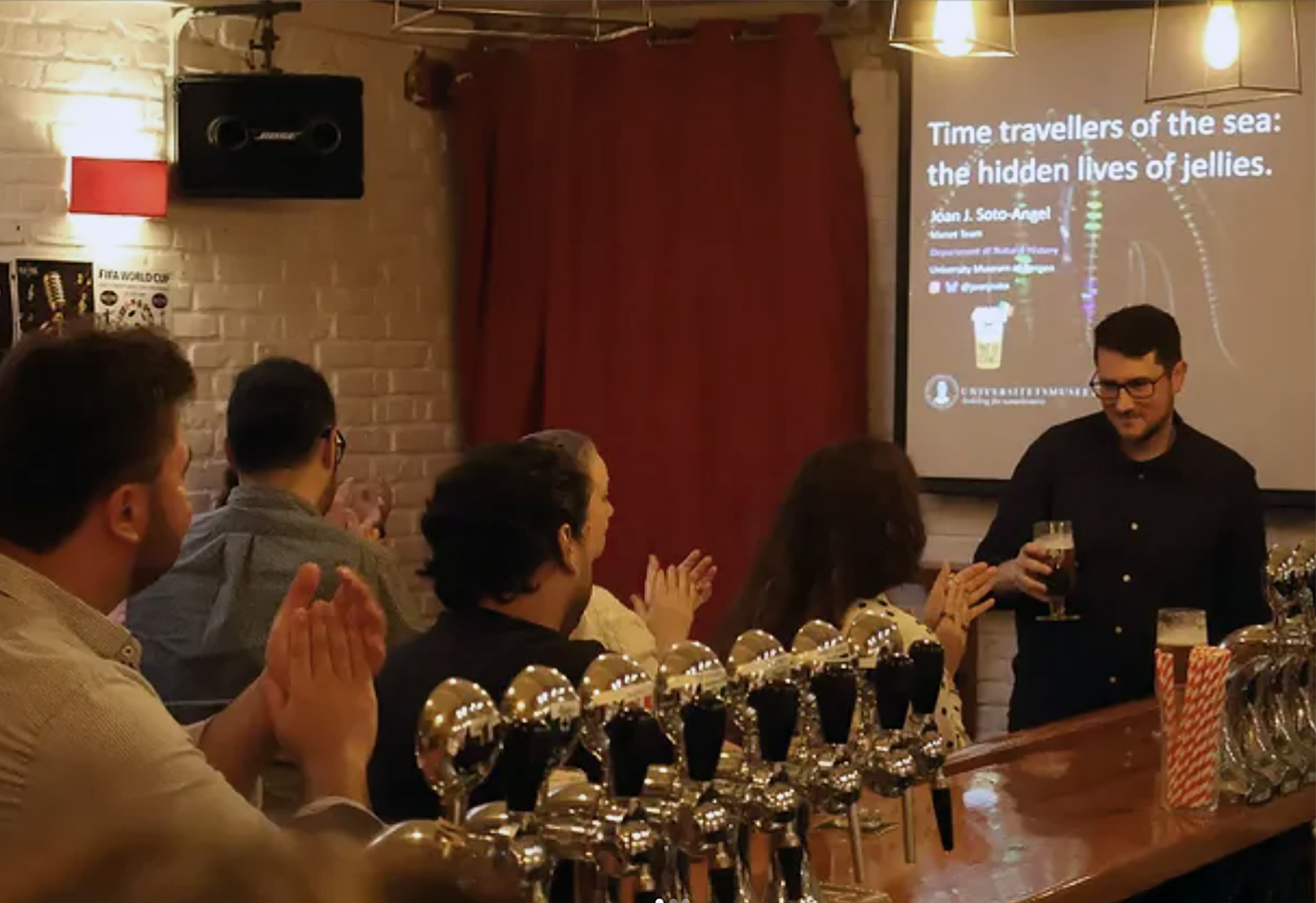
In what os very clearly a bar (lots of beer taps and bar desk), a presentation is being given about jellyfish
Joan presenting a popular talk during Pint of Science: Time travellers of the sea: the hidden lives of jellies.
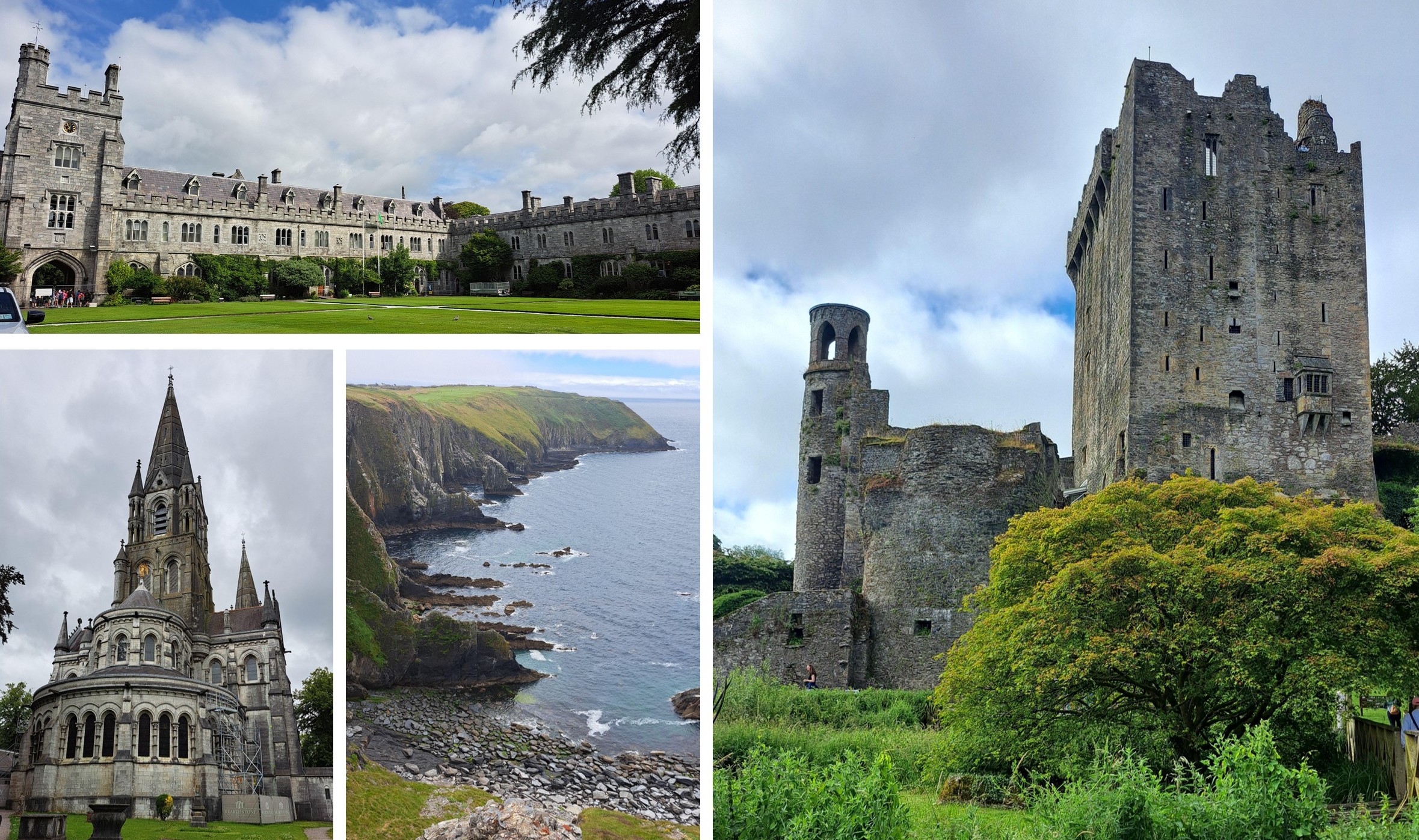
Irish sights, castles and amazing, green nature
Impressive historical buildings and breathtaking landscapes in beautiful Ireland were another highlight of our trip.

In brief: we had a great, productive and enriching experience presenting our latest findings and hearing very inspiring talks. Plus, we got to explore some of the wonders in and around Cork, with some birding whenever we had the chance. We are very much looking forward to the 9th Jellyfish Blooms Symposium in Sao Paulo 2029!
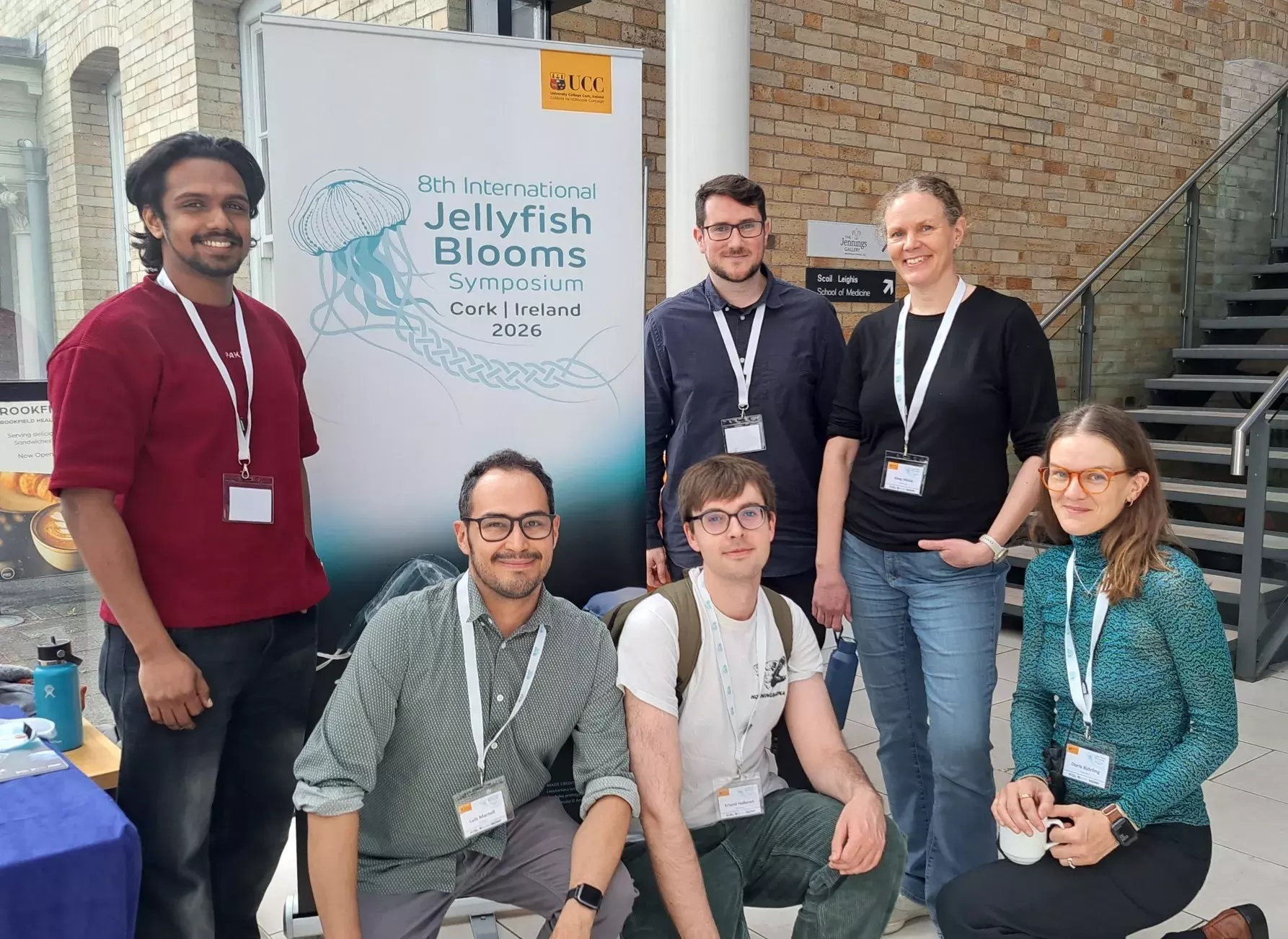
6 jellyfish researchers posing in front of a rollup with the conference logo
Happy faces in our group picture during the 8th International Jellyfish Blooms Symposium. Great job, everyone!

– Manet Team

Bioskag Workshop

We began the year with arranging two workshops in January. The first of these was based on the extensive sampling done in the Skagerrak strait in recent years (2006 – today). The aim was to increase the rather poor knowledge of the invertebrate fauna of the region (link is in Norwegian).

The focal group of this workshop was the Polychaetes (bristle worms), and through the effort of the ten attendants, a lot of material was examined. You can read more about this at the blog of the Norwegian Polychaete Forum.

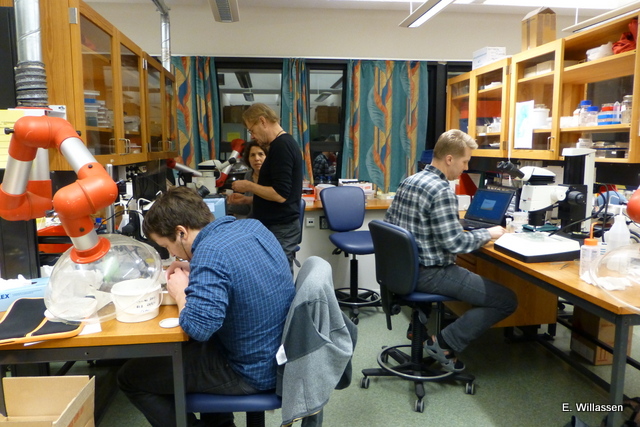
Busy lab

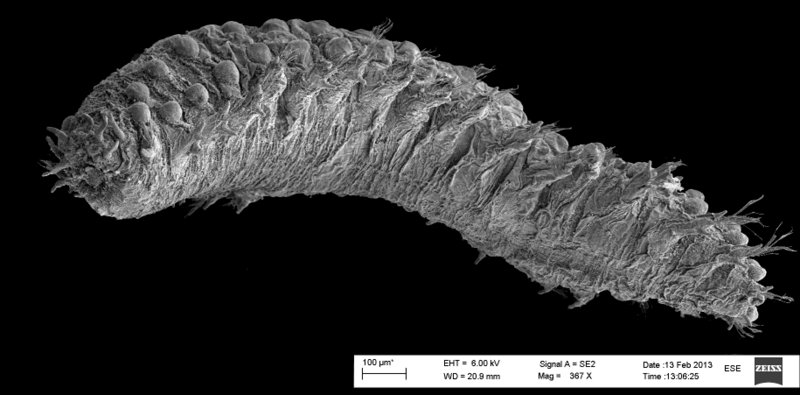
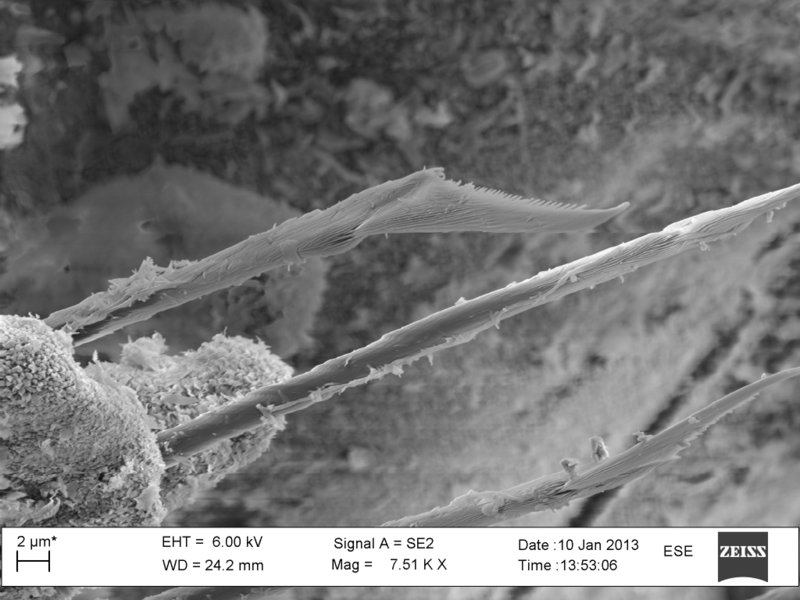
We are currently processing the findings from the workshop, including documenting specimens through photography and drawing. One of the tools we employ for doing this is the scanning electron microscope (SEM), which enables us to make high resolution images at a very high magnification.

A SEM image of a a Sphaerodoridae. Photo: K. Kongshavn

A high magnification close-up of a Polychaete bristle. Photo: K. Kongshavn